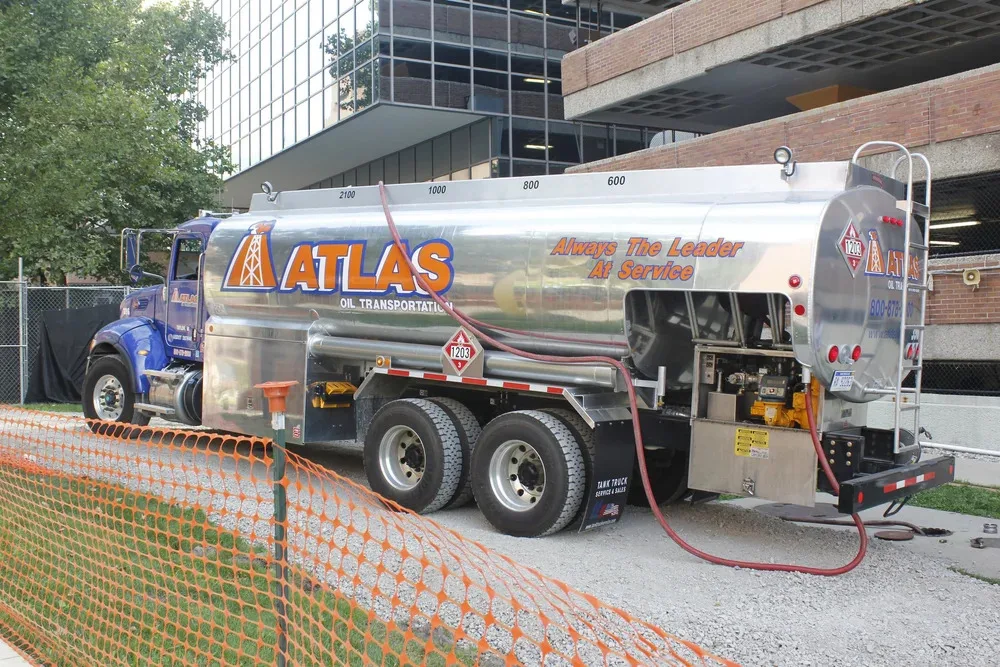
Most companies see fuel as just another commodity until they suddenly can’t get it. When a generator stops working or a fleet is stranded, a small problem can quickly become a costly one. That’s why many operations leaders plan for emergency fueling services before a crisis hits. Here are ten reasons this investment pays off.
1. Downtime costs far more than the fuel
A stalled delivery truck or idle crew doesn’t just cost gallons — it costs missed windows, overtime, and customer trust. Emergency fueling restores operations in hours, and the saved revenue usually dwarfs the service fee.
2. Critical systems stay online
Hospitals, data centers, and cold-storage facilities depend on backup generators when the grid drops. Those generators are useless without fuel. Emergency delivery keeps life-safety and revenue-critical systems running.
3. 24/7 response works like insurance
You pay for the certainty, not the frequency. A provider that dispatches nights, weekends, and holidays means a single phone call solves a problem that would otherwise spiral.
4. Disasters don’t wait for convenient timing
Hurricanes, ice storms, and grid failures spike fuel demand exactly when retail stations run dry. Established providers hold reserves and storm protocols for precisely these moments.
5. Priority access during supply shortages
Pipeline outages and refinery shutdowns happen more often than most teams plan for. An account relationship puts you at the front of the line instead of waiting it out.
6. You avoid the expensive workarounds
Emergency retail markups, tow fees, and rushed third-party rentals add up fast. Direct fuel delivery is almost always cheaper than the scramble it replaces.
7. It protects you from contract penalties
Late deliveries and missed SLAs carry real financial teeth. Keeping equipment fueled protects the contracts your revenue depends on.
8. Compliance is built in
Reputable providers arrive with hazmat certification, insurance, and digital delivery records — shielding you from regulatory exposure that improvised fueling can’t.
9. Continuity planning becomes predictable
Auditors, insurers, and boards increasingly expect documented continuity plans. A standing emergency fuel agreement is a concrete, defensible line item in that plan.
10. It’s a competitive advantage
When competitors go dark during an outage, the business that stays operational wins the contract, the customer, and the reputation. Reliability sells.
Set it up before you need it
The biggest mistake is waiting until an emergency to look for help. By that time, the best providers are usually already busy. The companies that handle disruptions best are the ones that set up an account ahead of time.