The Himalayas offer countless trekking experiences, but very few journeys combine wilderness, mythology, solitude, and spirituality as beautifully as the Rudranath Trek. Hidden deep within the Garhwal Himalayas of Uttarakhand, Rudranath is not just another mountain trail. It is a sacred pilgrimage that takes trekkers through dense forests, alpine meadows, remote villages, and breathtaking ridgelines before leading them to one of Lord Shiva's most revered shrines.
Unlike many crowded Himalayan destinations, Rudranath remains peaceful and untouched. The trek demands physical effort, yet every step rewards visitors with stunning landscapes and a profound sense of inner peace.
Whether you seek spiritual growth, adventure, or an escape from modern chaos, the Rudranath Trek offers an experience that stays with you long after you return home.
1. Rudranath Temple Is One of the Sacred Panch Kedar Shrines
The biggest reason behind Rudranath's spiritual significance lies in its association with the Panch Kedar pilgrimage circuit.
According to Hindu mythology, after the Kurukshetra war, the Pandavas sought Lord Shiva to seek forgiveness for their sins. Shiva avoided them and took the form of a bull. Different body parts of the divine bull appeared at five locations in the Garhwal Himalayas, which later became the Panch Kedar temples.
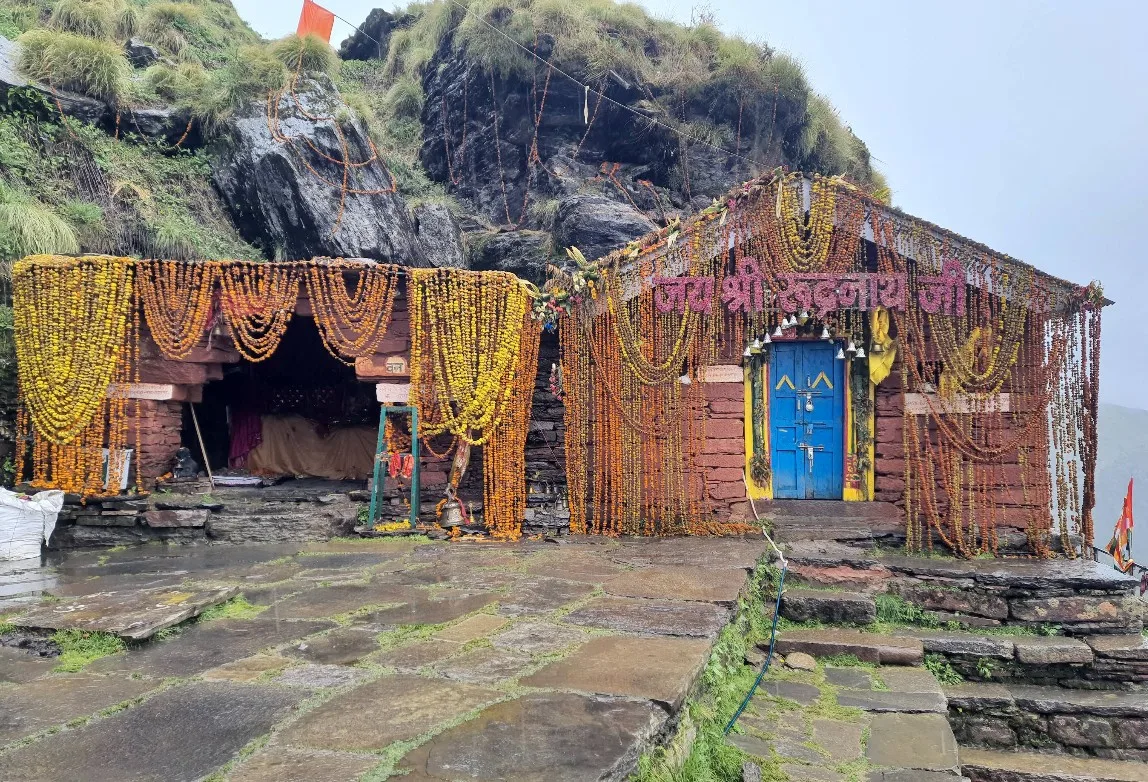
At Rudranath, devotees worship Lord Shiva's face (mukh). This makes the temple one of the holiest shrines dedicated to Shiva in Uttarakhand.
Completing the Panch Kedar Yatra remains a lifelong spiritual goal for many devotees.
2. The Temple Lies Amid Untouched Himalayan Wilderness
Many Himalayan temples stand near roads today. Rudranath is different.
No vehicle can take you directly to the temple. Pilgrims must walk through forests, bugyals, and mountain trails to reach the shrine. This effort creates a deeper connection with both nature and spirituality.
Dense oak and rhododendron forests surround the route. Birdsong replaces traffic noise. Mobile networks disappear. Ironically, losing signal often helps visitors reconnect with themselves.
The remoteness of Rudranath preserves its sacred atmosphere and makes every visitor feel far removed from the distractions of everyday life.
3. The Trek Offers a Rare Sense of Solitude
Popular Himalayan treks often resemble busy marketplaces during peak season. Rudranath still retains its serenity.
Trekkers may walk for hours without meeting large groups. Instead, they encounter shepherds, local villagers, and fellow pilgrims sharing the same spiritual journey.
This solitude encourages introspection. Many visitors describe the trail as meditative because the silence allows them to reflect, pray, and simply observe the mountains.
In a world filled with constant notifications, Rudranath offers something increasingly rare: uninterrupted peace.
4. Ancient Legends Accompany You Throughout the Journey
Spiritual journeys often become meaningful because of the stories attached to them, and Rudranath has many.
Local traditions connect several places along the route with episodes from Hindu mythology. Sacred sites such as Surya Kund, Chandra Kund, and Tara Kund hold religious importance among pilgrims.
The surrounding landscape itself feels mythical. Mist-covered ridges, ancient forests, and hidden meadows create an atmosphere that perfectly matches these timeless legends.
Even travelers who visit for adventure often leave with a newfound appreciation for the region's spiritual heritage.
5. The Natural Beauty Inspires Spiritual Reflection
Few places in India blend natural grandeur and spirituality as seamlessly as Rudranath.
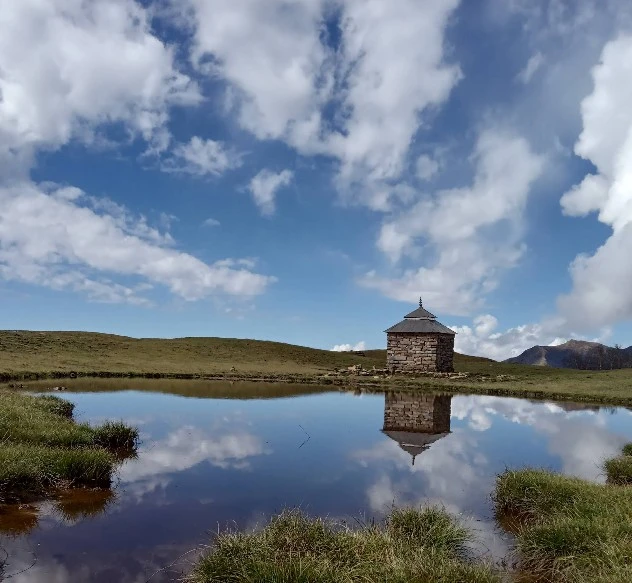
The trek passes through spectacular alpine meadows known locally as bugyals. Panar Bugyal and Pitradhar provide expansive Himalayan views that often leave visitors speechless.
On clear days, trekkers can witness magnificent peaks such as:
- Nanda Devi
- Trishul
- Nanda Ghunti
- Chaukhamba
- Hathi Parvat
Many pilgrims pause frequently, not because they feel tired, but because they cannot stop admiring the scenery.
After all, the Himalayas have humbled humans for centuries. Rudranath continues that tradition.
6. Pitradhar Holds Deep Religious Importance
One of the most spiritually significant points on the trek is Pitradhar.
Local belief associates this ridge with ancestral worship. Many pilgrims perform prayers here to honor departed family members.
The atmosphere at Pitradhar feels profoundly emotional. Prayer flags flutter in the mountain wind while panoramic Himalayan views stretch endlessly into the distance.
For many visitors, this section of the journey becomes one of the most memorable and meaningful experiences of the entire trek.
7. The Temple Architecture Reflects Ancient Himalayan Traditions
Rudranath Temple itself carries immense historical and architectural significance.
Constructed using natural stone, the shrine blends perfectly with its mountain surroundings. Unlike grand temple complexes found in cities, Rudranath remains simple and humble.
This simplicity enhances the spiritual experience.
The temple's location, architecture, and sacred setting remind visitors that devotion does not require grandeur. Sometimes, a stone shrine surrounded by clouds and mountains can inspire greater reverence than elaborate structures.
8. Sunrise and Sunset Create a Divine Atmosphere
Many trekkers describe sunrise and sunset near Rudranath as almost otherworldly.
As the first rays illuminate snow-covered peaks, the entire landscape transforms. Golden light spreads across meadows, ridges, and distant summits.
Evenings feel equally magical. Temple bells echo through the valley while clouds drift slowly across the mountains.
These moments encourage silence and gratitude. Cameras certainly capture the scenery, but they rarely capture the emotions people experience while standing there.
9. Local Culture Enhances the Spiritual Experience
The villages surrounding Rudranath preserve centuries-old traditions.
Residents continue to practice traditional Himalayan lifestyles closely connected to nature and faith. Pilgrims often experience warm hospitality from local families and seasonal shepherd communities.
Festivals, rituals, folk traditions, and oral histories remain deeply woven into daily life.
Interacting with local communities helps visitors understand that spirituality in the Himalayas extends beyond temples. It exists in the culture, customs, and values of mountain people.
10. The Journey Matters More Than the Destination
Perhaps the most powerful aspect of the Rudranath Trek is that the journey itself becomes transformative.
The trail demands patience, endurance, and determination. Climbs test physical strength. Changing weather teaches adaptability. Long walking hours encourage mindfulness.
By the time pilgrims reach the temple, they often realize that the trek has already changed them.
This philosophy aligns closely with many spiritual traditions: personal growth happens during the journey, not only at the destination.
Rudranath embodies this idea perfectly.
Best Time to Visit Rudranath
The ideal season for the Rudranath Trek generally falls between:
- May to June: Pleasant weather and clear mountain views.
- September to October: Crisp skies, post-monsoon greenery, and stable trekking conditions.
Heavy monsoon rains can make trails slippery, while winter snowfall usually closes access routes.
Essential Tips for Trekkers
Prepare Physically
The Rudranath Trek involves steep ascents and long walking days. Regular cardio and strength training before the trek can improve your experience.
Respect Local Traditions
Rudranath remains an active pilgrimage site. Dress modestly, maintain cleanliness, and respect religious customs.
Carry Proper Gear
Essential items include:
- Waterproof trekking shoes
- Warm clothing layers
- Rain protection
- Trekking poles
- Personal medicines
- Reusable water bottle
Avoid Plastic Waste
The Himalayan ecosystem remains fragile. Carry back all non-biodegradable waste and follow responsible trekking practices.
Final Thoughts
The Rudranath Trek offers much more than mountain scenery. It combines mythology, spirituality, culture, and adventure into one unforgettable journey.
In an era when many destinations struggle with overtourism, Rudranath still preserves its sacred essence. The silence of its forests, the grandeur of its landscapes, and the spiritual energy of its temple continue to attract pilgrims and trekkers seeking something deeper than a conventional vacation.
If you wish to experience the Himalayas in their purest spiritual form, the Rudranath Trek deserves a place at the top of your travel list.