
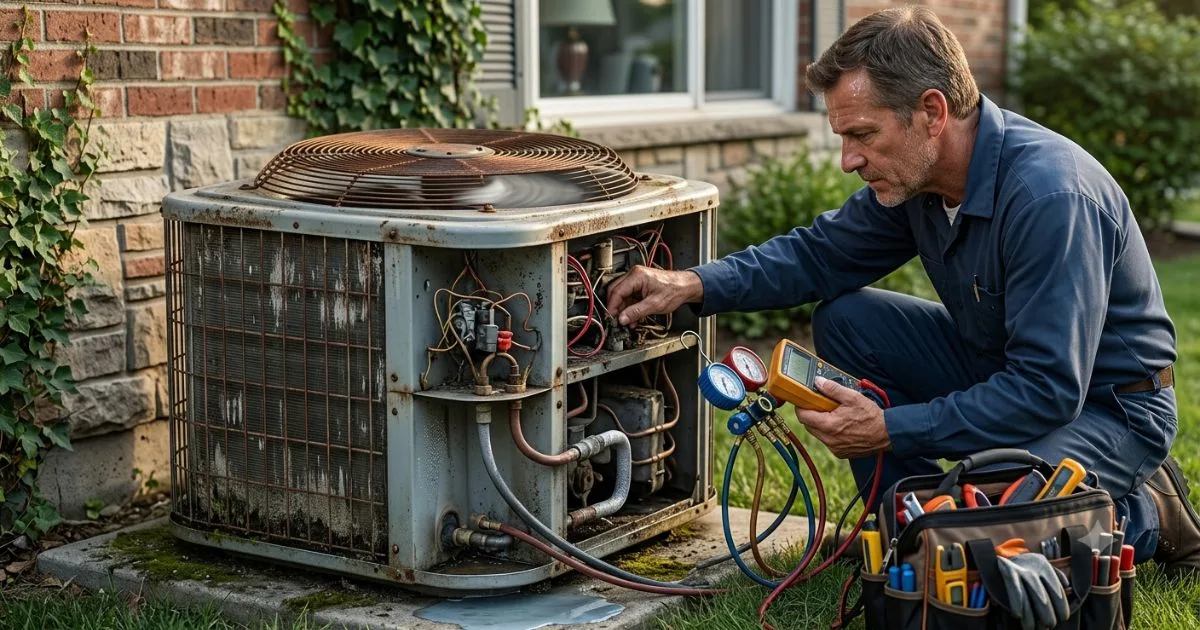
When your central air conditioning system is working properly, it's easy to forget it's there. It quietly cools your home, controls humidity, and keeps your indoor environment comfortable throughout the hottest months of the year. But like any mechanical system, your AC gives warning signs before a major breakdown occurs.
Ignoring these early symptoms can lead to higher energy bills, expensive repairs, or even complete system failure. Knowing when to schedule central air conditioning service and repair can help you avoid emergency service calls and extend the life of your HVAC investment.
In this guide, we'll cover the ten most common warning signs that your air conditioning system needs professional attention before small issues become costly problems.
Why Early AC Repairs Matter
Many homeowners wait until their air conditioner stops cooling altogether before contacting an HVAC professional. Unfortunately, this approach often results in more expensive repairs.
Most major HVAC failures begin as minor issues such as dirty coils, worn electrical components, refrigerant leaks, or restricted airflow. Routine inspections and timely repairs help prevent damage to expensive components like compressors and blower motors.
Professional central air conditioning service and repair not only restores cooling performance but also improves energy efficiency, indoor comfort, and system reliability.
1. Warm Air Coming from the Vents
One of the clearest signs something is wrong is when your air conditioner blows warm or room-temperature air.
Possible causes include:
- Low refrigerant levels
- Compressor problems
- Thermostat malfunctions
- Frozen evaporator coils
- Electrical issues
If adjusting the thermostat doesn't solve the problem, it's time to schedule professional service.
2. Weak Airflow Throughout the Home
Poor airflow usually indicates your AC system is struggling to circulate cooled air.
Common reasons include:
- Dirty air filters
- Blocked ductwork
- Failing blower motor
- Frozen evaporator coil
- Closed or obstructed vents
Weak airflow forces the system to work harder, increasing energy consumption while reducing comfort.
3. Unusual Noises During Operation
A properly functioning central AC should operate quietly.
Unusual sounds often indicate mechanical issues requiring immediate attention.
Listen for:
- Grinding
- Squealing
- Banging
- Buzzing
- Clicking
- Rattling
These noises may point to loose components, worn bearings, damaged fan blades, failing motors, or electrical problems.
Ignoring them often leads to more extensive repairs.
4. Rising Energy Bills
A sudden increase in electricity costs is often one of the earliest warning signs of HVAC problems.
When components become dirty or worn, the system must run longer to achieve the same indoor temperature.
Professional central air conditioning service and repair can restore efficiency by addressing issues such as:
- Dirty condenser coils
- Refrigerant leaks
- Poor airflow
- Faulty capacitors
- Thermostat calibration
Even small efficiency improvements can significantly reduce monthly utility bills.
5. Frequent On-and-Off Cycling
Your AC should complete normal cooling cycles before shutting off.
If it constantly starts and stops, the system may be experiencing:
- Incorrect sizing
- Dirty coils
- Faulty thermostat
- Electrical problems
- Refrigerant issues
Short cycling places excessive wear on compressors and electrical components, shortening the lifespan of the entire system.
6. Excess Indoor Humidity
Central air conditioners do more than cool your home—they also remove moisture from the air.
If your home suddenly feels humid even while the AC is running, your system may no longer be removing moisture effectively.
Possible causes include:
- Dirty evaporator coils
- Refrigerant problems
- Oversized equipment
- Drainage issues
Higher indoor humidity can also contribute to mold growth and reduced indoor air quality.
7. Water Leaks Around the Indoor Unit
Moisture around your indoor HVAC equipment should never be ignored.
Water leaks often result from:
- Clogged condensate drain lines
- Frozen evaporator coils
- Damaged drain pans
- Condensate pump failures
Left untreated, water damage can affect flooring, drywall, insulation, and nearby electrical components.
8. Bad Odors Coming from Air Vents
Unpleasant smells often signal hidden HVAC issues.
Examples include:
Musty odors
Often indicate mold or mildew growing inside ducts or evaporator coils.
Burning smells
May suggest overheating electrical components or motor problems.
Chemical odors
Can indicate refrigerant leaks or damaged insulation.
Professional technicians can identify the source safely before the problem worsens.
9. Uneven Cooling Between Rooms
If some rooms remain hot while others are comfortable, your HVAC system may no longer distribute air properly.
Common causes include:
- Leaking ductwork
- Blocked vents
- Dirty filters
- Airflow imbalance
- Aging blower motors
Consistent indoor temperatures usually require both proper airflow and a well-maintained cooling system.
10. Your System Is More Than 10–15 Years Old
Age alone isn't a reason to replace an air conditioner, but older systems require closer attention.
As HVAC equipment ages:
- Components wear naturally.
- Energy efficiency declines.
- Repairs become more frequent.
- Replacement parts become harder to find.
Routine central air conditioning service and repair helps older systems operate safely and efficiently for as long as possible. However, if repair costs continue to rise, replacement may become the more economical long-term option.
Preventive Maintenance Helps Avoid Major Repairs
Many of the warning signs above can be prevented with regular maintenance.
Annual HVAC inspections typically include:
- Air filter replacement
- Condenser coil cleaning
- Evaporator coil inspection
- Refrigerant level testing
- Electrical system inspection
- Drain line cleaning
- Thermostat testing
- Airflow evaluation
- Lubrication of moving parts
Preventive maintenance allows technicians to identify worn components before they fail unexpectedly.
Benefits of Scheduling Repairs Early
Addressing AC problems early offers several long-term advantages:
- Lower repair costs
- Reduced risk of emergency breakdowns
- Better energy efficiency
- Improved indoor comfort
- Longer equipment lifespan
- Better humidity control
- Improved indoor air quality
- Greater reliability during peak summer temperatures
Small repairs today often prevent much larger expenses tomorrow.
Choosing a Reliable HVAC Professional
When hiring a contractor for central air conditioning service and repair, look for:
- Licensed and insured technicians
- Experience with your HVAC brand
- Positive customer reviews
- Transparent pricing
- Written estimates
- Warranty-backed workmanship
- Comprehensive diagnostic inspections
A reputable HVAC company will identify the root cause of the problem rather than simply treating the symptoms.
Final Thoughts
Your central air conditioning system rarely fails without warning. From weak airflow and unusual noises to rising energy bills and inconsistent cooling, these early signs provide valuable opportunities to prevent expensive repairs.
Scheduling professional central air conditioning service and repair as soon as problems appear helps maintain comfort, improve efficiency, and extend the life of your HVAC system. Regular maintenance combined with prompt attention to warning signs can save homeowners significant money while ensuring dependable cooling throughout the hottest months of the year.
Instead of waiting for your air conditioner to stop working completely, take action at the first sign of trouble. A proactive approach keeps your home comfortable, protects your investment, and helps you avoid unexpected HVAC emergencies.