What Are Custom Patches in Apparel?
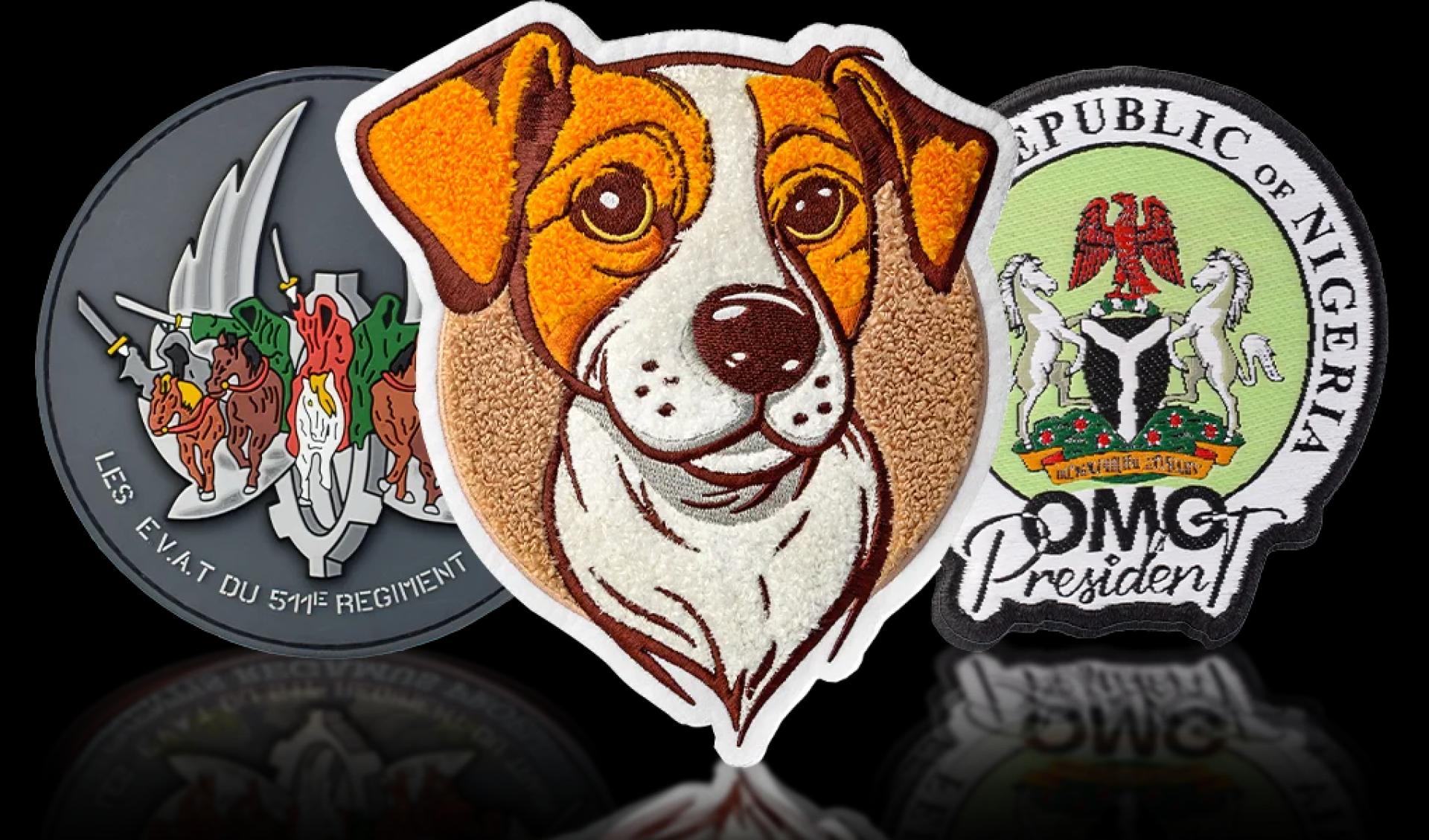
Custom patches are pieces of material such as fabric, rubber, or leather that are attached to garments for branding or decorative purposes. Unlike printed designs, patches provide a raised, textured appearance that instantly makes a product feel more premium. Brands often use patches to showcase logos, names, or creative designs in a way that lasts longer and looks more professional over time.
1. Embroidery Patches
Embroidery patches are one of the most commonly used patch types in the apparel industry. They are created using stitched threads on a fabric base, giving them a classic and textured look. These patches are widely used in uniforms, workwear, and streetwear because they are durable and visually appealing. They work best for bold logos and simple designs where texture adds value to the overall appearance.
2. Woven Patches
Woven patches are designed by weaving threads together instead of stitching on top. This allows for finer detailing and sharper designs, making them ideal for logos that include small text or intricate elements. Clothing brands that focus on minimal and clean aesthetics often prefer woven patches because they offer a smooth and lightweight finish.
3. PVC Patches
PVC patches are made from soft rubber material and are known for their durability and modern appearance. They are waterproof, flexible, and resistant to extreme conditions, making them perfect for outdoor gear, sportswear, and tactical apparel. Their 3D effect and vibrant colors give garments a bold and contemporary feel.
4. Chenille Patches
Chenille patches have a soft, fuzzy texture created using looped yarn. They are most commonly seen on varsity jackets and sports apparel. These patches are ideal for large lettering and bold designs, adding a vintage and eye-catching style to garments.
5. Leather Patches
Leather patches provide a premium and sophisticated look, making them popular in denim products, caps, and high-end clothing. Whether made from genuine or faux leather, these patches are durable and give a strong brand identity, especially for minimalist designs.
6. Printed Patches
Printed patches are created by printing designs directly onto fabric, allowing for unlimited color options and detailed artwork. They are best suited for complex graphics, gradients, and promotional designs. Although they may not be as durable as woven or embroidered patches, they are cost-effective and visually versatile.
7. Bullion Patches
Bullion patches are handcrafted using metallic threads, beads, and wires. They are considered one of the most premium patch types and are often used in military uniforms, ceremonial clothing, and luxury fashion. Their detailed craftsmanship makes them stand out as a high-value branding element.
8. Velcro Patches
Velcro patches are designed with a hook-and-loop backing, allowing them to be easily attached and removed. They are commonly used in tactical gear, uniforms, and customizable apparel where flexibility is important. These patches are ideal for brands that want interchangeable designs without permanent stitching.
9. Sublimated Patches
Sublimated patches use heat transfer printing to embed designs into the fabric. This method allows for highly detailed and colorful designs without adding extra texture. They are ideal for sportswear and promotional clothing where visual impact is more important than texture.
10. Iron-On Patches
Iron-on patches come with a heat-activated adhesive backing, making them easy to apply without sewing. They are commonly used for DIY fashion, quick branding, and casual apparel. While convenient, they may not be as durable as sew-on patches for long-term use.
11. Sequin Patches
Sequin patches are decorative patches that use shiny sequins to create eye-catching designs. They are often used in fashion apparel, especially in women’s and kids’ clothing, to add sparkle and uniqueness to garments.
12. Appliqué Patches
Appliqué patches involve stitching fabric pieces onto a garment to create layered designs. They are often combined with embroidery to add depth and dimension. These patches are commonly used in fashion and branding where creativity and texture are important.
How to Choose the Right Patch for Your Brand
Choosing the right patch depends on your brand identity, product type, and usage requirements. If your focus is durability, embroidery or PVC patches are a strong choice. For detailed designs, woven or printed patches work better. Premium brands often prefer leather or bullion patches to reflect quality, while flexible applications may require Velcro patches. Understanding your target audience and product purpose will help you select the most suitable option.
Conclusion
Custom patches are more than just decorative elements; they play a key role in defining a brand’s identity in the apparel industry. With multiple options available, each type of patch serves a different purpose, from durability and functionality to aesthetics and premium appeal. By choosing the right type of patch, clothing brands can enhance product value, improve customer perception, and create a lasting impression. Investing in the right patch is not just a design decision, but a strategic move toward building a strong and recognizable brand.