Introduction
As we navigate through 2026, home decor continues to evolve at an unprecedented pace, merging innovation with timeless aesthetics to redefine our living environments. This year, the focus has shifted towards creating spaces that are not only visually captivating but also deeply personal, sustainable, and technologically integrated. From eco-conscious materials to smart home enhancements and immersive sensory designs, the trends emerging now are shaping how we experience comfort, style, and identity in our homes.
In this comprehensive update, we will explore the key home decor trends transforming living spaces in 2026, delve into practical techniques for beginners and seasoned enthusiasts alike, and discuss why home decor has become the ultimate expression of personal identity. For those looking to dive deeper into specific themes, we recommend consulting our related articles such as 8 Essential Home Decor Trends Transforming Living Spaces Today and Why Home Decor Is Becoming the Ultimate Expression of Personal Identity.
1. The Rise of Sustainable and Biophilic Design
One of the most prominent shifts in 2026 home decor is the integration of sustainability and nature-inspired elements, collectively known as biophilic design. Homeowners are increasingly prioritizing eco-friendly materials such as reclaimed wood, bamboo, recycled metals, and natural fibers. These materials not only reduce environmental impact but also bring warmth and organic texture into interiors.
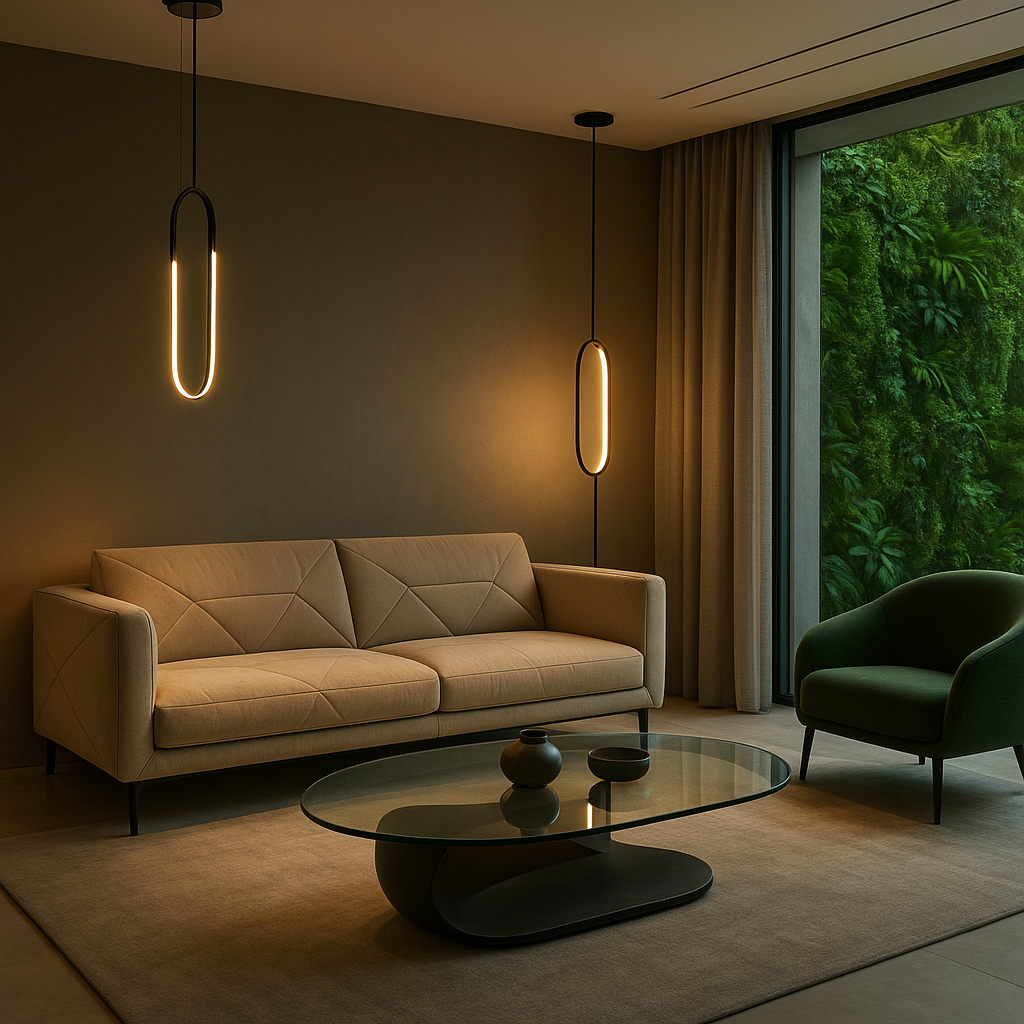
Biophilic design extends beyond materials, incorporating living green walls, indoor gardens, and water features that improve air quality and mental well-being. The emphasis is on creating a seamless connection between indoor and outdoor environments, fostering a sense of tranquility and balance. This approach resonates with the growing awareness of climate change and the desire to live more harmoniously with nature.
Practical Applications
- Reclaimed and Natural Materials: Flooring, furniture, and decorative accessories crafted from sustainably sourced or recycled materials are dominating the market.
- Indoor Plant Integration: From large statement plants to mini succulents, greenery is being used as a central decor element.
- Natural Lighting: Maximizing sunlight through architectural features like skylights and expansive windows enhances the biophilic experience.
2. Smart Home Decor: The Fusion of Technology and Style
Technology has transcended functionality to become an integral part of home aesthetics. In 2026, smart home devices are designed not only for convenience but also to complement decor themes, blending invisibly or standing out as futuristic art pieces.
Lighting systems now offer dynamic mood settings controlled via voice or app, enabling customizable ambiance for every occasion. Smart mirrors with embedded displays provide real-time information while maintaining sleek, minimalist designs. Furniture incorporates charging stations and adaptable elements powered by AI to adjust ergonomics and comfort automatically.
Examples of Smart Decor Innovations
- Adaptive Lighting Fixtures: Fixtures that adjust color temperature and intensity according to circadian rhythms or user preference.
- Interactive Wall Panels: Touch-sensitive, customizable surfaces that serve as both art and information hubs.
- Modular Smart Furniture: Pieces that reconfigure themselves or respond to user posture for enhanced comfort.
3. Maximalism with a Purpose: Personal Expression Amplified
While minimalism has dominated the previous decade, 2026 sees a vibrant resurgence of maximalism — but with a thoughtful and intentional twist. This trend encourages layering textures, patterns, and colors to create bold, eclectic spaces that narrate personal stories.
Maximalism today is less about clutter and more about curated collections that reflect individual journeys, cultural heritage, and aspirations. Homeowners incorporate vintage finds, artisanal crafts, and travel mementos to create unique atmospheres rich in character.
To master this style without overwhelming a space, the key lies in balancing statement pieces with neutral anchors and allowing each element room to breathe.
Tips for Achieving Purposeful Maximalism
- Start with a strong color palette that unifies diverse elements.
- Mix patterns thoughtfully by varying scale and texture.
- Use lighting to highlight focal points and create depth.
- Incorporate personal artifacts that tell a story.
For those interested in exploring how home decor becomes a profound reflection of identity, consider reading our in-depth piece Why Home Decor Is Becoming the Ultimate Expression of Personal Identity.
4. Multifunctional and Flexible Spaces
As lifestyles continue to evolve with remote work, blended family dynamics, and diverse hobbies, homes in 2026 are designed to be highly adaptable. Rooms serve multiple functions, and furniture is engineered for flexibility.
Convertible furniture—such as sofa beds, extendable tables, and stackable chairs—is central to this trend, enabling users to optimize limited square footage without sacrificing style. Movable partitions and modular shelving systems help redefine spaces quickly, accommodating work, leisure, and socializing.
Design Strategies for Flexibility
- Zoning: Use rugs, lighting, and furniture arrangement to delineate areas within open floor plans.
- Storage Solutions: Hidden compartments and vertical storage maintain clutter-free environments.
- Technology Integration: Wireless devices and smart controls facilitate seamless transitions between activities.
5. Textures and Tactility: Engaging the Senses
Beyond visual appeal, 2026 home decor emphasizes engaging multiple senses through texture and tactility. This trend is about creating a sensory-rich environment that promotes comfort and emotional connection.
Textured wallpapers, handwoven textiles, and layered rugs add depth and warmth. Surfaces with matte, rough, or glossy finishes contrast beautifully to stimulate touch. Tactile elements are also incorporated through furniture upholstery, cushions, and throws crafted from natural fibers like linen, wool, and hemp.
Benefits of Embracing Tactile Elements
- Enhances coziness and intimacy in living spaces.
- Provides sensory comfort, particularly beneficial for mental well-being.
- Offers visual interest that changes with lighting and movement.
6. Color Trends: From Muted Earth Tones to Vibrant Accents
This year’s color palette strikes a balance between grounding neutrals and dynamic pops of color. Muted earth tones such as warm taupe, terracotta, sage green, and soft beige serve as tranquil backdrops. These hues support the biophilic and sustainable themes by echoing natural landscapes.
To enliven spaces, designers incorporate vibrant accents in jewel tones like deep sapphire, emerald, and amber. These colors appear in statement furniture, artwork, and decorative accessories, adding energy and personality without overwhelming the core palette.
Color-blocking techniques and gradient transitions are also popular, creating subtle visual movement and depth.
7. Artisanal and Handmade Elements
In 2026, there is a strong appreciation for craftsmanship and unique, handmade pieces that bring authenticity to interiors. Artisanal ceramics, hand-carved woodwork, and bespoke textiles contribute to a curated, meaningful aesthetic.
Consumers increasingly seek out local artisans and ethical production methods, valuing the story behind each item as much as its appearance. This movement supports small businesses and preserves traditional crafts, making each home decor element a conversation starter.
Incorporation Ideas
- Display handcrafted pottery as centerpieces or shelf accents.
- Use handwoven baskets for functional storage with artistic flair.
- Commission custom furniture or art pieces that reflect personal tastes.
8. The Importance of Lighting Design
Lighting remains a cornerstone of effective home decor in 2026, with a focus on layering and versatility. Natural light is maximized wherever possible, but artificial lighting is equally sophisticated.
Ambient, task, and accent lighting are carefully balanced using dimmers, color temperature controls, and smart features. Statement light fixtures—ranging from sculptural chandeliers to minimalist LED strips—serve as focal points that enhance the overall mood and aesthetic.
Moreover, circadian lighting systems that mimic natural daylight cycles are gaining popularity for their health benefits and ability to improve sleep quality.
9. Incorporating Personal Heritage and Culture
Homes are increasingly reflecting the diverse backgrounds and stories of their inhabitants. 2026 decor trends celebrate cultural heritage through textiles, patterns, and motifs inspired by global traditions.
Whether it’s Moroccan tiles, Japanese minimalism, Scandinavian hygge, or African tribal prints, these cultural elements are blended thoughtfully with contemporary design to create spaces that honor roots while embracing modernity.
This fusion enriches interiors with depth and meaning, turning homes into personal museums that celebrate identity.
10. Outdoor Living as an Extension of Interior Spaces
Outdoor areas have become vital components of home decor, extending living space into nature. In 2026, there is a seamless integration between indoor and outdoor environments through design continuity and multifunctional outdoor furniture.
Patios, balconies, and gardens are outfitted with weather-resistant textiles, lighting, and smart controls to facilitate year-round use. Outdoor kitchens, fire pits, and lounge areas encourage socializing and relaxation beyond the walls of the home.
This trend complements the biophilic design movement and supports a holistic lifestyle centered on well-being and connection.
Getting Started: Practical Tips for Home Decor Enthusiasts
For those inspired by these trends and ready to transform their spaces, beginning can sometimes feel overwhelming. Thankfully, resources like Mastering Home Decor: A Practical Guide for Beginners Ready to Transform Their Space provide step-by-step advice on selecting themes, budgeting, sourcing materials, and executing projects with confidence.
Some foundational tips include:
- Assess Your Space and Needs: Understand how you use each area and what atmosphere you want to create.
- Start Small: Experiment with accessories or a feature wall before committing to large-scale changes.
- Prioritize Quality: Invest in durable and timeless pieces that align with your style and values.
- Seek Inspiration: Use mood boards and curated collections to visualize your vision.
- Incorporate Personal Elements: Let your personality and stories shine through your decor choices.
Conclusion
Home decor in 2026 is a rich tapestry woven from sustainability, technology, personal expression, and cultural appreciation. The trends reveal a collective desire to create living environments that nourish the body, mind, and soul while reflecting who we are as individuals and communities.
By embracing biophilic principles, smart innovations, tactile textures, and meaningful artifacts, homeowners can craft spaces that are both beautiful and purposeful. Whether you are a seasoned designer or a beginner eager to unlock your home’s potential, the evolving landscape of decor offers endless opportunities to transform your living space into a sanctuary of style and identity.
To further explore these exciting developments and gather practical advice, please visit our related articles 8 Essential Home Decor Trends Transforming Living Spaces Today and Mastering Home Decor: A Practical Guide for Beginners Ready to Transform Their Space.