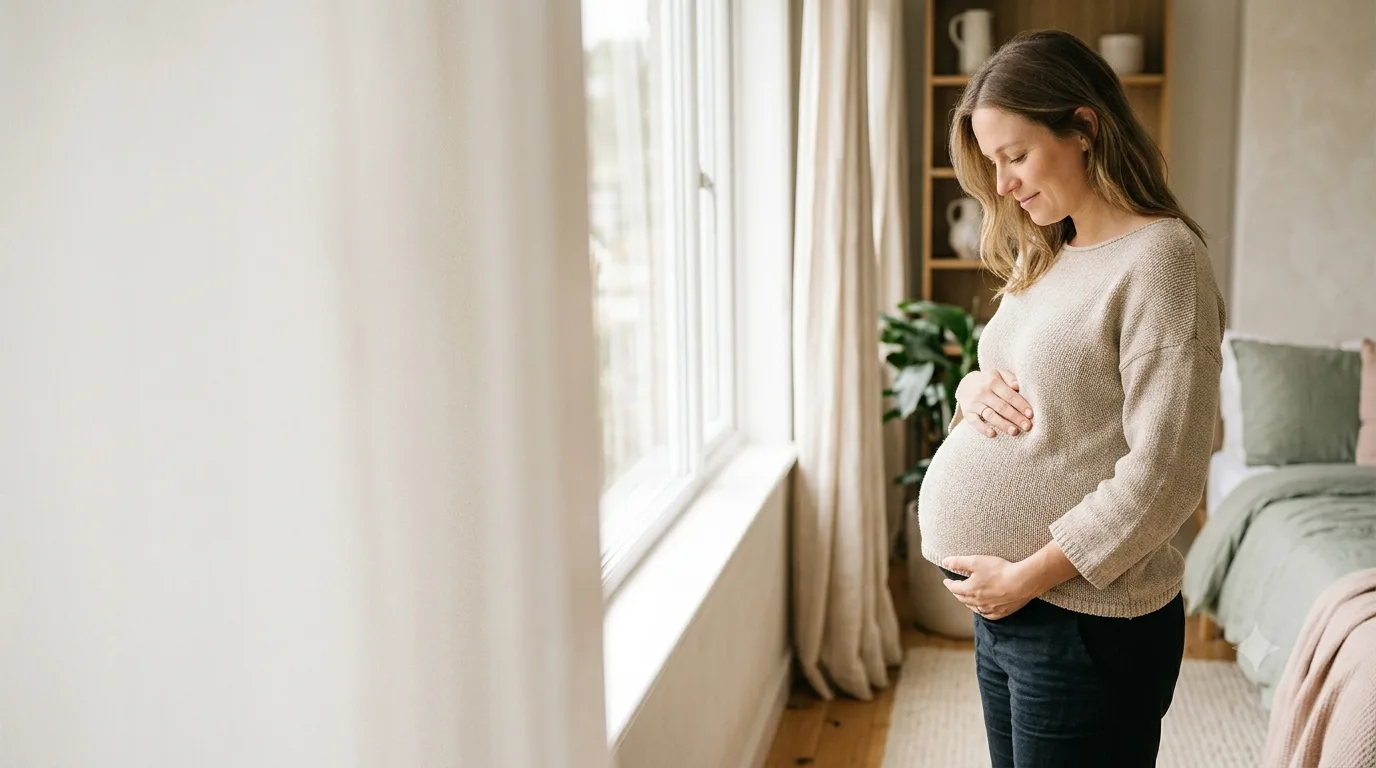
28 Weeks Pregnant Baby Weight in Kg — Complete Week 28 Guide
Welcome to the start of your third trimester. Knowing your 28 weeks pregnant baby weight in kg is one of the first things most women want to check at this stage, since it marks the beginning of the final, most rapid phase of growth before delivery. From here on, your baby will gain weight faster than at any earlier point in pregnancy.
This guide covers exactly how much your baby weighs, how far along you are in months, common symptoms including back pain, and simple, doctor-friendly tips to make the third trimester more manageable.
28 Weeks Pregnant Baby Weight in Kg: What to Expect
At 28 weeks, the average 28 weeks pregnant baby weight in kg is approximately 1.0 to 1.1 kg, with a length of around 37-38 cm from head to heel. Your baby is roughly the size of a large eggplant or a small cauliflower at this point.
This is also when growth really starts to pick up pace. From week 28 onward, your baby will gain weight steadily each week, building the fat layers needed for temperature regulation after birth. It's worth remembering that these numbers are averages — a slightly higher or lower weight at this stage is usually completely normal, and your doctor will track your baby's specific growth curve at each visit rather than comparing to a single fixed number.
28 Week Baby Weight and Growth Milestones
Beyond the numbers, your 28 week baby weight comes with several important developmental changes happening simultaneously:
• Eyes can now open and close, and your baby may respond to light shone against your belly.
• Brain tissue is developing rapidly, with grooves and folds forming on the surface for the first time.
• Lungs are maturing further, though they still need more time before being fully ready for life outside the womb.
• Fat layers are building up under the skin, helping your baby look less wrinkled and more filled out.
• Sleep-wake cycles are becoming more established, which is why you may notice more predictable patterns of activity and stillness.
28 Weeks Pregnant in Months: How Far Along Are You?
In terms of 28 weeks pregnant in months, you're right around 6 months and 3-4 weeks along, officially stepping into your 7th month of pregnancy. This also marks the start of your third trimester, which runs from week 28 to birth, typically around week 40.
From this point, your prenatal visits will likely become more frequent, usually shifting from monthly to every two weeks, as your doctor keeps a closer eye on your baby's growth and your own health heading into the final stretch.
Your Body at 28 Weeks Pregnant
Being 28 weeks pregnant often brings a noticeable shift in how your body feels day to day. Your uterus has grown significantly, now sitting well above your belly button, and your center of gravity continues to shift as your bump grows heavier.
Many women also start noticing increased fatigue returning around this stage, a natural response to carrying more weight and your body working harder to support your baby's rapid growth. Sleep can become trickier too, as finding a comfortable position gets harder with a larger belly.
Common 28 Weeks Pregnant Symptoms
Along with the physical changes, most women experience a familiar set of 28 weeks pregnant symptoms at this stage:
• Back pain — One of the most common complaints at this point. Back pain at 28 weeks pregnant typically happens because your growing belly shifts your posture forward, straining your lower back muscles. Gentle stretching, proper posture, supportive footwear, and a pregnancy pillow while sleeping can all help ease this.
• Shortness of breath — As your uterus expands upward, it can press against your diaphragm, making deep breaths feel harder.
• Swelling — Mild swelling in the feet and ankles is common, especially by evening.
• Braxton Hicks contractions — These practice contractions often become more noticeable from this point onward.
• Heartburn — Increased pressure on your stomach can push acid upward more easily.
• Frequent urination — As your uterus presses more directly on your bladder.
Most of these symptoms are a normal part of the third trimester. However, sudden swelling in the face or hands, severe headaches, or reduced baby movement should always be reported to your doctor promptly.
Can Symptoms Predict Your Baby's Gender at 28 Weeks?
Many expecting parents search for 28 weeks pregnant symptoms of boy, based on popular folklore like carrying the bump low, cravings for salty foods, or a faster heart rate supposedly indicating a boy. These beliefs are widely shared across generations, but none of them have any scientific backing.
By 28 weeks, if you've had your anomaly scan, you likely already know your baby's sex with reasonable accuracy from the ultrasound. If not, this remains something best confirmed through your doctor and scan reports, rather than symptom-based guessing, which has no real predictive value.
Tips for a Healthy Pregnancy Third Trimester
Supporting a healthy pregnancy third trimester from week 28 onward comes down to a few consistent habits:
• Increase calorie intake slightly — Your body needs more energy now to support rapid fetal growth, typically an additional 300-450 calories a day, though this varies by individual.
• Prioritize iron and calcium — Both remain essential as your baby's blood volume and bone density continue developing.
• Sleep on your side — Left-side sleeping is generally recommended from this stage onward to improve blood flow to the placenta.
• Stay gently active — Walking and light stretching can help manage back pain, swelling, and overall energy levels.
• Watch your posture — Especially when sitting for long periods, to reduce strain on your lower back.
Prenatal Care Checklist at 28 Weeks
Week 28 typically comes with a few important checkpoints:
• Anti-D injection — If you're Rh-negative, your doctor will usually recommend this injection around 28 weeks to prevent complications related to blood type incompatibility with your baby.
• Glucose and anemia screening — Often repeated around this time if not already done, to check for gestational diabetes and iron levels heading into the third trimester.
• Kick counting — Your doctor may introduce daily fetal movement tracking from this point, helping you stay attuned to your baby's typical activity pattern.
• More frequent checkups — Expect your prenatal visit schedule to shift to roughly every two weeks from here.
Final Thoughts on 28 Weeks Pregnant Baby Weight in Kg
Reaching this stage means your baby now weighs a little over a kilogram, growing steadily heavier each week as the third trimester progresses. Knowing your 28 weeks pregnant baby weight in kg is a helpful way to track this final stretch, but remember that every pregnancy grows at its own pace, and your doctor's assessment always matters more than comparing numbers online.
As you move through the coming weeks, focus on rest, gentle activity, and staying consistent with your prenatal checkups. If anything feels unusual or concerning, reach out to your doctor rather than waiting personalized care is always the safest guide through the third trimester.
Frequently Asked Questions
Is 28 weeks the start of the third trimester?
Yes. The third trimester officially begins at 28 weeks and continues until delivery, usually around week 40.
Is 1 kg a healthy baby weight at 28 weeks?
Yes, around 1.0 to 1.1 kg is considered a typical average at this stage, though your doctor will assess your baby's specific growth trend rather than a single number.
Why does back pain get worse around 28 weeks?
As your belly grows heavier, your posture shifts forward, placing extra strain on your lower back muscles and ligaments, which is why back pain often becomes more noticeable from this point.
How often should I feel my baby move at 28 weeks?
Most women feel regular movement daily by this stage. If movement feels significantly reduced, contact your doctor promptly rather than waiting.