
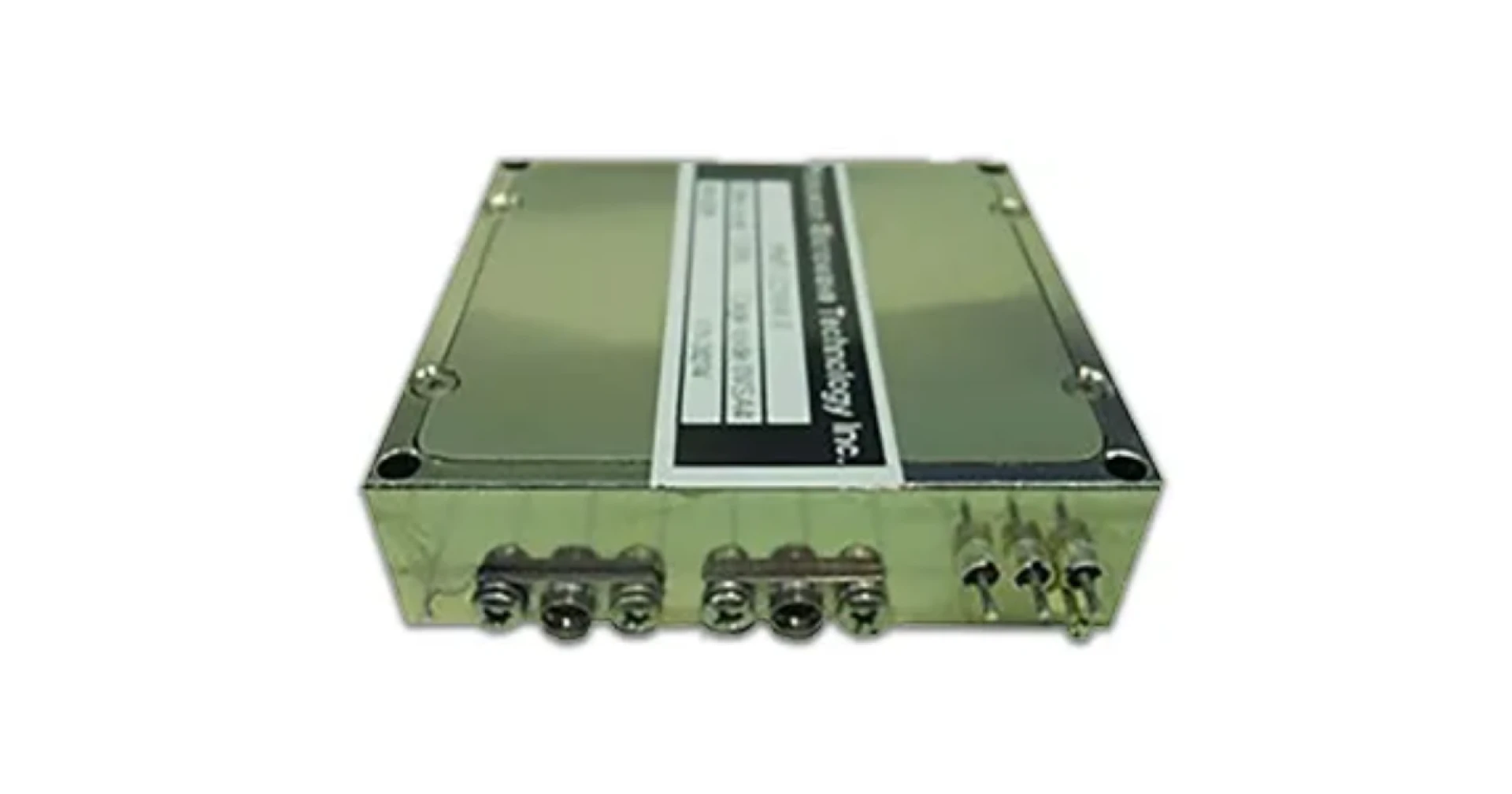
In today’s world, speed and precision drive innovation. Whether it’s in aerospace, defense, or advanced communication systems, signal clarity matters. This is where Low Phase Noise Oscillators step in.
These components are not just technical add-ons. They’re essential for the performance and stability of any system that relies on accurate frequency generation.
Let’s break down why low phase noise is so critical—and why engineers worldwide trust these oscillators in their most sensitive projects.
1. Improved Signal Clarity in Communication Systems
Modern communication systems demand clean and stable signals. Any noise in the frequency can interfere with how data is transmitted or received.
A low-phase-noise oscillator minimizes unwanted frequency fluctuations. This leads to a more accurate and reliable transmission, especially in systems using high-frequency carriers like satellite communications or 5G networks.
When the oscillator maintains a steady frequency, the result is reduced bit error rates and improved system performance. This is vital in high-speed data links and wideband communication systems.
2. Essential for Radar and Defense Applications
Radar systems operate by sending out signals and analyzing how they bounce back. If the signal isn’t clean, the interpretation becomes flawed.
Ultra Low Phase Noise Oscillators help radar systems generate precise waveforms. This allows them to detect smaller objects, measure velocity more accurately, and avoid misreading returns due to phase jitter.
In military applications, where real-time decisions depend on radar output, low phase noise can mean the difference between mission success and failure.
3. Crucial in Test and Measurement Equipment
Oscilloscopes, spectrum analyzers, and other measurement tools depend heavily on timing accuracy. If the timing reference is noisy, measurements become unreliable.
A Low Phase Noise Oscillator provides a stable reference. Engineers and technicians can trust their instruments when diagnosing systems or validating new designs.
In R&D environments, this becomes especially important. Testing advanced wireless systems, quantum computing setups, or satellite technologies requires confidence in every reading.
4. Supports Higher Performance in Synthesizers and Mixers
Phase-locked loops (PLLs), frequency synthesizers, and RF mixers often use oscillators as their reference sources. Any noise in the oscillator gets carried through the entire system.
Using an Ultra Low Phase Noise Oscillator ensures that frequency translations and signal processing tasks remain clean. This minimizes spurious signals and improves overall performance.
High-performance systems like software-defined radios and signal intelligence devices rely on this clarity. Even minor improvements in noise performance can lead to better range, faster speeds, and reduced interference.
5. Enables Precision in Scientific and Aerospace Applications
Precision timing is key in scientific research and space missions. Whether it's a deep-space probe or a particle accelerator, accurate frequency control ensures synchronization and measurement accuracy.
A Low Phase Noise Oscillator helps minimize drift and maintain consistency over time. In GPS systems, for example, even microsecond errors can cause major inaccuracies in location tracking.
These oscillators also play a key role in astronomical observatories, quantum experiments, and satellite payloads. Low noise performance translates directly to clearer data and better research outcomes.
Why “Princeton Microwave” Stands Out for Low Phase Noise Oscillators
When it comes to designing and manufacturing Noise Oscillators, Princeton Microwave has carved a strong reputation. Their designs focus on performance, reliability, and innovation.
What sets them apart is their consistent delivery of Ultra Low Phase Noise Oscillators for mission-critical applications. They serve industries ranging from defense and aerospace to telecom and research.
Their engineering approach balances performance with practical integration. Whether for ground systems or space-based platforms, Princeton Microwave provides oscillators that meet stringent technical standards.
Additionally, their team supports custom solutions, allowing clients to tailor oscillator performance to specific needs. This makes them a trusted partner for high-performance system designers.
Key Features of Low Phase Noise Oscillators
To understand their value better, let’s highlight some of the standout features these oscillators provide:
- Exceptional Frequency Stability: They hold steady over time and temperature changes.
- Minimal Jitter: This improves timing precision and reduces data errors.
- Wide Frequency Range: Useful in both low and high-bandwidth systems.
- Compact Form Factor: Designed for easy integration into various platforms.
- Custom Options Available: For projects requiring unique specifications.
Each of these features contributes to the overall performance of complex electronic systems.
Applications Across Multiple Industries
The use of Low Phase Noise Oscillators spans across multiple sectors. Some of the key industries that rely on them include:
- Telecommunications: Ensuring signal clarity and minimizing transmission errors.
- Aerospace: Supporting satellite communication, avionics, and navigation systems.
- Military and Defense: Enabling radar, secure communication, and threat detection.
- Medical Devices: Supporting diagnostic tools that need accurate frequency references.
- Scientific Research: Delivering the timing precision needed in advanced studies.
In each case, the demand is the same: performance, reliability, and stability.
Why Phase Noise Matters More Today
Technology is advancing fast. Systems are becoming more complex. Frequencies are getting higher, and the margin for error is shrinking.
In this environment, Low Phase Noise Oscillators aren’t just a good-to-have—they’re essential. They keep systems stable, data clean, and operations efficient.
Whether it’s a radar tracking object thousands of miles away, or a test device measuring signal integrity, phase noise directly affects the outcome. Investing in a high-quality oscillator reduces these risks.
Final Thoughts
The importance of Low Phase Noise Oscillators cannot be overstated. They are the silent champions behind the precision of many high-performance systems. Without them, signals would be noisy, measurements inaccurate, and systems unreliable.
From improving communication networks to enabling cutting-edge research, these oscillators form the backbone of many industries. Their role is only growing as demands for speed, clarity, and stability increase.
Princeton Microwave, with its commitment to delivering Ultra Low Phase Noise Oscillators, remains a trusted name in this space. Their solutions empower engineers, scientists, and developers to build with confidence.
As systems evolve, one thing remains clear: low phase noise isn't a luxury, it's a necessity.