A new concrete driveway can improve your home’s curb appeal, provide a strong parking area, and last for many years with proper care. However, poor planning, weak preparation, and improper curing can lead to cracks. Choosing reliable concrete driveway services in Troy can help you avoid common problems and build a driveway that stays strong, smooth, and attractive.
Why Do New Concrete Driveways Crack?
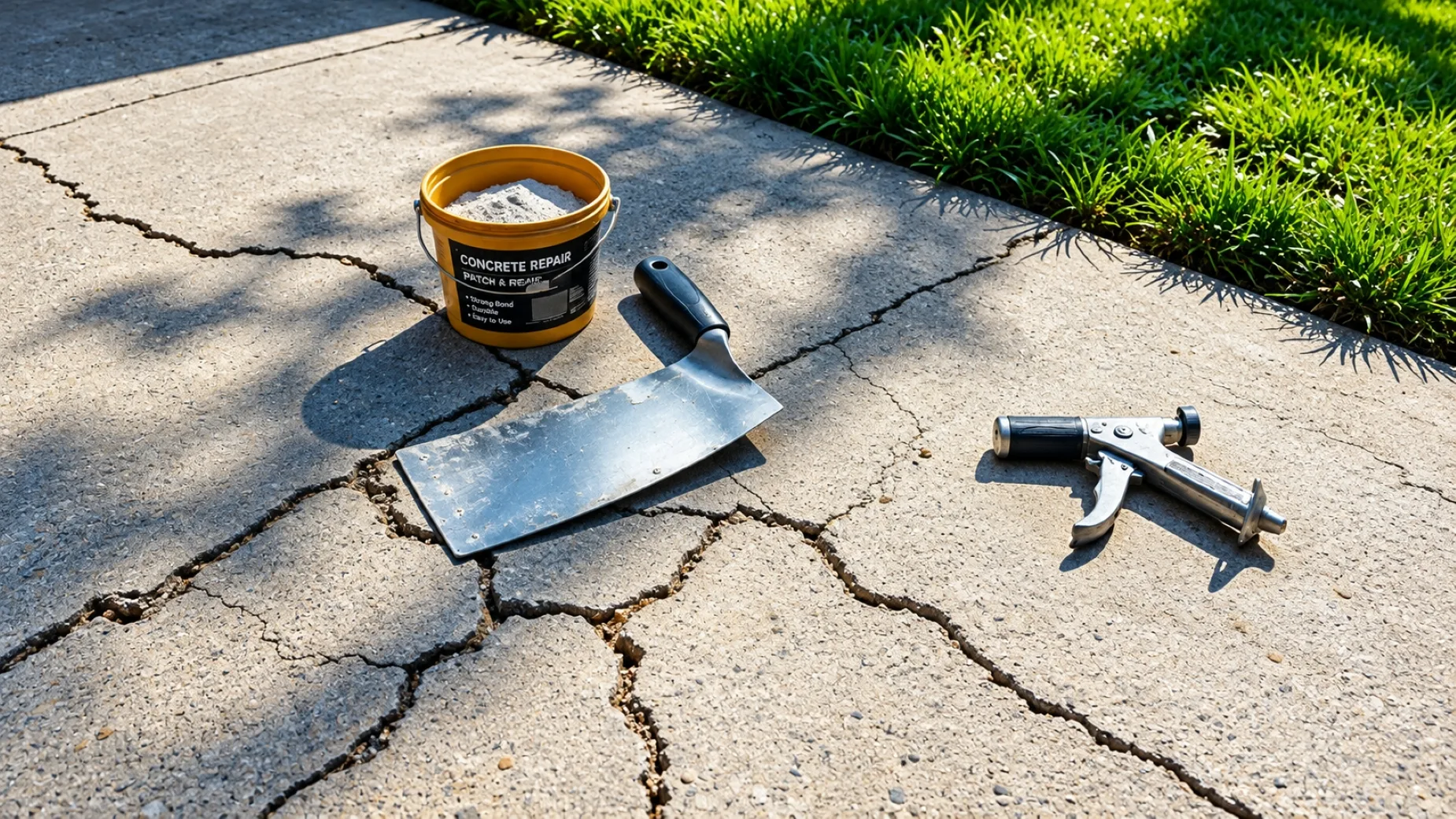
Concrete naturally expands, contracts, and settles as temperatures and moisture levels change. Some small cracks can occur over time, but many early cracks result from preventable issues. Poor soil preparation, too much water in the concrete mix, inadequate curing, and heavy loads can all reduce driveway strength.
The goal is not simply to pour concrete. A successful driveway project requires careful preparation, proper installation, controlled curing, and regular maintenance.
Here are five practical ways to reduce the risk of cracks in a new concrete driveway.
1. Prepare the Ground Properly
A strong driveway starts below the concrete. If the soil cannot support the driveway evenly, the concrete may settle in certain areas. Uneven movement creates stress that can cause cracks.
Before pouring concrete, the installation team should remove unsuitable soil and prepare a stable base. The ground needs proper grading and compaction so it can support the concrete slab.
Important preparation steps include:
- Remove soft or unstable soil.
- Compact the soil thoroughly.
- Install a suitable aggregate base when needed.
- Create proper drainage.
- Check the grade before pouring.
- Ensure the base has consistent support.
Water also plays a major role. Poor drainage can allow water to collect below or beside the driveway. When the soil becomes saturated, it may lose stability and cause movement.
Professional concrete driveway services can help homeowners address these preparation concerns before the concrete reaches the ground.
2. Use the Right Concrete Mix
The concrete mix affects the driveway’s strength and durability. Adding too much water may make concrete easier to spread, but it can reduce its strength after the concrete hardens.
A suitable mix should match the driveway’s expected use and local conditions. A professional contractor can select the right concrete strength and mix design based on factors such as vehicle traffic, weather, drainage, and site conditions.
Avoid making last-minute changes to the mix simply to make placement easier. A properly designed mix provides better support and helps the driveway handle everyday stress.
The contractor should also place and finish the concrete correctly. Poor finishing can weaken the surface or create conditions that encourage surface cracking.
3. Add Control Joints at the Right Locations
Concrete moves as temperatures change and moisture leaves the slab. Control joints give the concrete planned areas where movement can occur.
Without suitable joints, stress may create random cracks across the driveway.
A professional installation should include properly placed control joints based on the driveway’s size, shape, and design. Long sections may require additional joints to manage movement.
Keep these points in mind:
- Plan joints before the concrete work begins.
- Place joints at suitable intervals.
- Follow the driveway’s shape and layout.
- Make joints deep enough to work effectively.
- Avoid creating large, unsupported sections.
Control joints do not prevent all cracking. Instead, they help guide where cracks are more likely to occur, making the surface easier to manage and maintain.
4. Give the Concrete Enough Time to Cure
Curing plays a major role in concrete strength. Fresh concrete needs time and suitable conditions to develop its strength. Allowing it to dry too quickly can increase the risk of surface problems and cracking.
After installation, protect the driveway from excessive heat, strong wind, and other conditions that can remove moisture too quickly. Follow the contractor’s curing recommendations and avoid unnecessary traffic during the early curing period.
Homeowners should also avoid placing heavy vehicles or equipment on a new driveway before it reaches the recommended strength.
A common mistake involves assuming that concrete becomes fully ready as soon as it feels hard. The surface may look firm while the concrete continues to gain strength underneath.
Proper curing helps create a stronger and more durable driveway surface.
5. Protect the Driveway With Regular Maintenance
Good installation reduces the risk of cracks, but maintenance helps preserve the driveway for years. Small problems can become larger when homeowners ignore them.
Inspect the driveway regularly, especially after major temperature changes or severe weather. Look for small cracks, areas of standing water, surface damage, or signs of movement.
Simple maintenance steps include:
- Keep the driveway clean.
- Maintain nearby drainage.
- Remove standing water.
- Address small cracks early.
- Avoid unnecessary heavy loads.
- Follow suitable sealing recommendations.
- Keep edges free from conditions that may cause erosion.
Sealing may also help protect the surface from moisture and other damaging conditions when the product and timing suit the concrete.
If you notice a growing crack, uneven section, or drainage issue, address it early instead of waiting for the damage to spread.
What Can Make Concrete Cracking Worse?
Several factors can increase the chance of driveway cracks. Understanding them can help homeowners make better decisions during and after installation.
Common causes include:
- Weak or poorly compacted soil
- Poor drainage
- Excess water in the concrete mix
- Improper curing
- Incorrect control-joint placement
- Extreme temperature changes
- Heavy loads on young concrete
- Poor finishing practices
- Lack of maintenance
Not every crack means the driveway has failed. The size, location, depth, pattern, and cause all matter. A professional can inspect the surface and determine whether the issue needs repair or further attention.
How Professional Installation Helps
A concrete driveway requires more than pouring and smoothing concrete. The contractor must consider the ground, drainage, concrete mix, slab design, joints, finishing, and curing process.
Experienced concrete driveway services can help coordinate these steps and reduce common installation mistakes. Professional planning also helps ensure that the driveway matches the property’s layout and expected use.
Before hiring a contractor, homeowners should ask about the base preparation, concrete mix, control joints, curing process, drainage, and expected timeline. Clear answers can help you understand how the contractor plans to protect your investment.
Final Thoughts
Preventing cracks starts before the concrete arrives. Proper ground preparation, the right concrete mix, well-planned control joints, careful curing, and regular maintenance can all help create a stronger driveway.
A new driveway represents a long-term investment, so quality installation matters. Working with experienced concrete driveway services in Troy can give your project a better foundation and help your driveway remain functional, attractive, and durable for years.
FAQs
1. How soon can I drive on my new concrete driveway?
Follow your contractor’s specific guidance. Concrete needs time to gain strength, so avoid driving or parking heavy vehicles on it too early.
2. Are small cracks normal in a concrete driveway?
Small cracks can develop because concrete naturally moves as conditions change. However, large, spreading, or deep cracks deserve professional inspection to identify the cause.
3. How long does a new concrete driveway need to cure?
Concrete continues gaining strength over time. Your contractor can provide a suitable curing period based on the mix, weather, and project conditions.
4. Can control joints stop my driveway from cracking?
Control joints cannot guarantee a crack-free driveway. They help direct natural movement and reduce the chance of random cracking across the slab.
5. What should I do if my new driveway starts cracking?
Do not ignore the problem. Photograph the cracks, monitor changes, and contact your contractor or a concrete professional. Early evaluation can help identify the cause and determine the right solution.