Foot discomfort is something many Australians push through daily without realising their footwear is the root cause. The shoes you wear directly affect your posture, joints, and overall wellbeing. Recognising the warning signs early can help you avoid long-term damage and make a meaningful difference to how you feel every single day.
When Your Feet Are Trying to Tell You Something
Your feet carry your entire body weight through every step, so it makes sense that they signal distress when something is wrong. Ignoring these signals often leads to worsening pain and more serious conditions over time.
Many people assume foot pain is simply part of getting older or staying on their feet all day. In reality, the right footwear can address the underlying cause and reduce discomfort significantly with consistent daily wear.
Understanding What Corrective Footwear Actually Does
Corrective comfort footwear is designed to realign the foot and redistribute pressure across the sole more evenly. It targets the biomechanical issues that standard shoes often overlook completely.
- You Experience Heel Pain First Thing in the Morning
That sharp, stabbing sensation in your heel when you first step out of bed is a classic sign of plantar fasciitis. It signals that your current footwear lacks the support your feet need overnight and throughout the day.
Corrective footwear with proper arch and heel cushioning helps reduce the strain on the plantar fascia. Addressing this symptom early prevents the condition from worsening into something far more difficult to manage.
2. Your Arches Ache After Short Periods of Walking
Arch pain that develops quickly during walks suggests your shoes are not providing adequate structural support. This is particularly common in people with flat feet or naturally high arches who wear unsupportive footwear.
Choosing shoes with built-in arch support helps maintain the foot's natural curve and reduces the muscular strain that builds during movement. This type of targeted support can make even long periods of walking noticeably more comfortable and manageable.
3. You Notice Uneven Wear Patterns on Your Shoe Soles
When you flip your shoes over and see worn-down patches on one side or area, your gait is likely uneven. This imbalance puts excess stress on specific joints and muscles throughout your lower body.
Corrective footwear is built to guide the foot into a more neutral position during each stride. Over time, this improved alignment reduces compensatory tension in the knees, hips, and lower back.
4. You Develop Calluses or Blisters Regularly
Recurring calluses and blisters are your skin's response to repeated friction and pressure in the same spots. This usually means your shoes are either the wrong shape for your foot or do not support your natural walking pattern.
Footwear designed with a contoured footbed reduces friction by cradling the foot properly. When pressure is distributed more evenly, the skin no longer bears the same concentrated load that causes these painful skin issues.
5. You Feel Lower Back or Knee Pain During Daily Activities
Foot alignment problems travel upward through the body and often present as pain in the knees, hips, or lower back. If you are experiencing these issues without an obvious injury, your footwear deserves a closer look.
Wearing shoes with built-in arch support corrects the foundation of your posture from the ground up. When the feet are properly supported, the chain of alignment through your entire body improves, reducing joint stress significantly.
6. You Avoid Physical Activity Because of Foot Fatigue
If foot soreness or fatigue is causing you to sit out walks, social outings, or exercise, your footwear is actively limiting your quality of life. Feet should not be the reason you stop moving and enjoying daily activities.
Supportive corrective footwear reduces the muscular effort required to maintain balance and stability. With the right shoes underfoot, many people find they can stay active for longer without the discomfort that previously held them back.
7. Your Existing Shoes No Longer Feel Comfortable
Shoes wear down internally long before the outer sole shows visible damage. If a pair that once felt fine now causes soreness, the internal support structure has likely broken down and can no longer do its job.
Replacing worn footwear with corrective options restores the support your feet have been missing. This simple change often delivers an immediate and noticeable improvement in overall comfort and daily energy levels.
Making the Switch: Your Feet Will Thank You
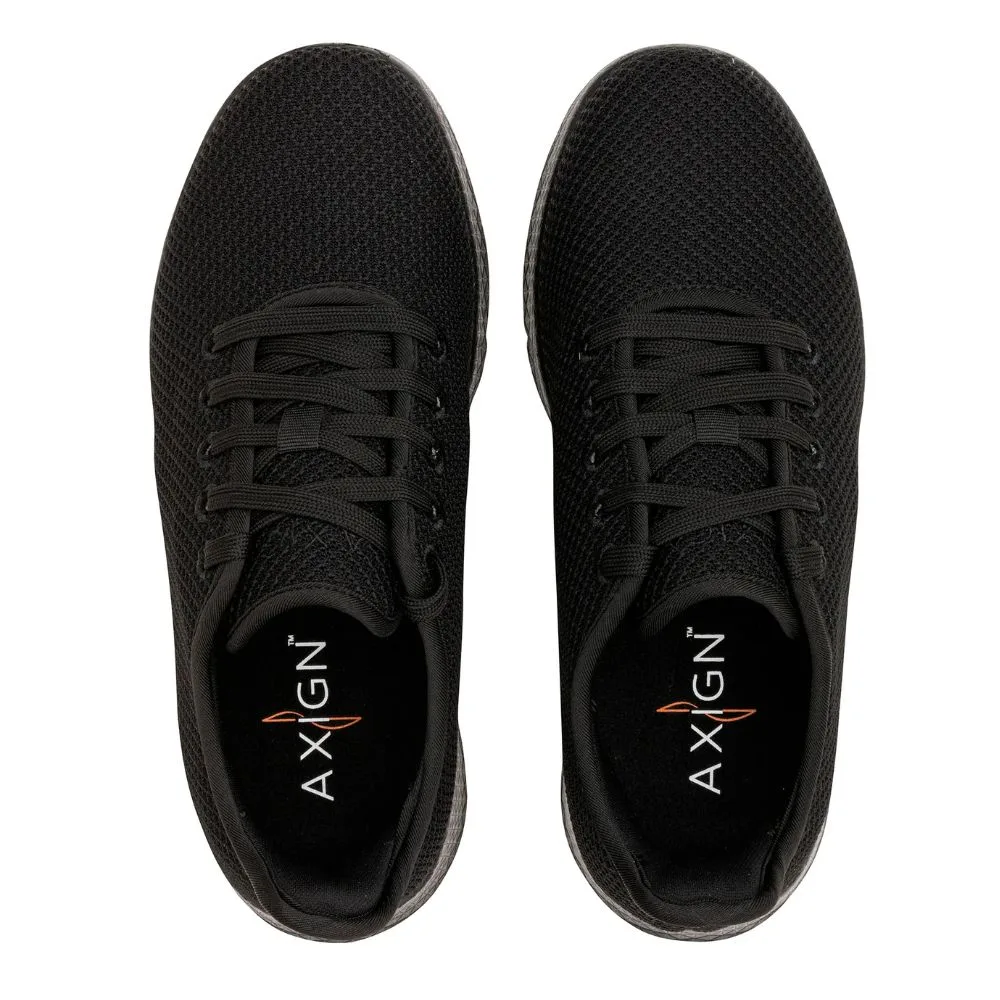
Switching to corrective comfort footwear is one of the most practical steps you can take for your long-term foot health. The signs listed above are not things to ignore or accept as normal. Brands like Axign Medical Footwear offer podiatrist-recommended options designed to address these exact concerns with clinically informed construction. The sooner you listen to what your feet are telling you, the sooner you can move through life with genuine, lasting comfort and confidence.