Introduction
Overview of Aramid Fiber and Their Usages
Aramid fiber is a high-performance synthetic polymer recognized for its exceptional strength and heat resistance. It is produced by spinning liquid crystalline solutions of aromatic polyamide polymers, creating a material that is up to five times stronger than steel by weight. Additionally, aramid fiber exhibits excellent resistance to organic solvents, oils, and fuels, making it well-suited for use in extreme conditions. Its durability and protective qualities make it a preferred choice in military, firefighting, and industrial applications, where safety is a top priority. Furthermore, it plays a significant role in the aerospace and automotive industries by enhancing the strength-to-weight ratio of materials, facilitating the development of lightweight yet highly durable components.
One of the key trends influencing the aramid fiber market is the rising demand for personal protective equipment (PPE) and ballistic protection solutions. Military and law enforcement agencies widely utilize aramid-based body armor, helmets, and bulletproof vests due to their superior impact resistance and long-lasting performance. Increasing defense budgets and geopolitical tensions are further driving the adoption of these advanced protective materials. In the automotive and aerospace sectors, aramid fibers contribute to improved structural integrity while minimizing weight, leading to enhanced fuel efficiency and reduced carbon emissions. Aircraft manufacturers incorporate aramid composites into fuselage components and cabin interiors, while the automotive industry utilizes them in brake pads, tires, and engine components to enhance safety and longevity. Additionally, meta-aramid fibers, known for their exceptional flame resistance and thermal stability, are extensively used in industrial applications requiring high-temperature endurance.
Key Trends and Drivers Shaping the Aramid fiber Market
Meta-aramid fabrics are widely used in petrochemicals, electrical insulation, and manufacturing industries.
These fabrics are commonly used for protective clothing and thermal insulation.
Workplace safety regulations are driving the demand for fire-resistant apparel.
Research and development (R&D) efforts are continuously enhancing aramid fiber products.
Advanced aramid fibers are being introduced with improved properties.
Nanotechnology is playing a key role in enhancing aramid fibers' tensile strength, flexibility, and thermal resistance.
Material science innovations are further improving the performance of aramid fibers.
Hybrid materials combining aramid with carbon or glass fibers are being developed.
These hybrid materials expand application possibilities in high-performance industries.
The demand for high-performance aramid-based materials is growing across various sectors.
Key Points for Setting a Successful Aramid fiber Manufacturing Plant
IMARC’s new report titled “Aramid fiber Manufacturing Plant Project Report 2025: Industry Trends, Plant Setup, Machinery, Raw Materials, Investment Opportunities, Cost and Revenue, provides a complete roadmap for setting up a aramid fiber manufacturing plant. The study covers all the requisite aspects that one needs to know while entering the aramid fiber industry. This report is a must-read for entrepreneurs, investors, researchers, consultants, business strategists, and all those who have any kind of stake in the aramid fiber industry.
Request for a Sample Report: https://www.imarcgroup.com/aramid-fiber-manufacturing-plant-project-report/requestsample
Market Analysis
The report provides insights into the landscape of the aramid fiber industry at the global level. The report also provides a segment-wise and region-wise breakup of the global aramid fiber industry. Additionally, it also provides the price analysis of feedstocks used in the manufacturing of aramid fiber, along with the industry profit margins.
- Segment Breakdown
- Regional Insights
- Pricing Analysis
- Market Forecast
Product Manufacturing: Detailed Process Flow
- Raw Material Procurement
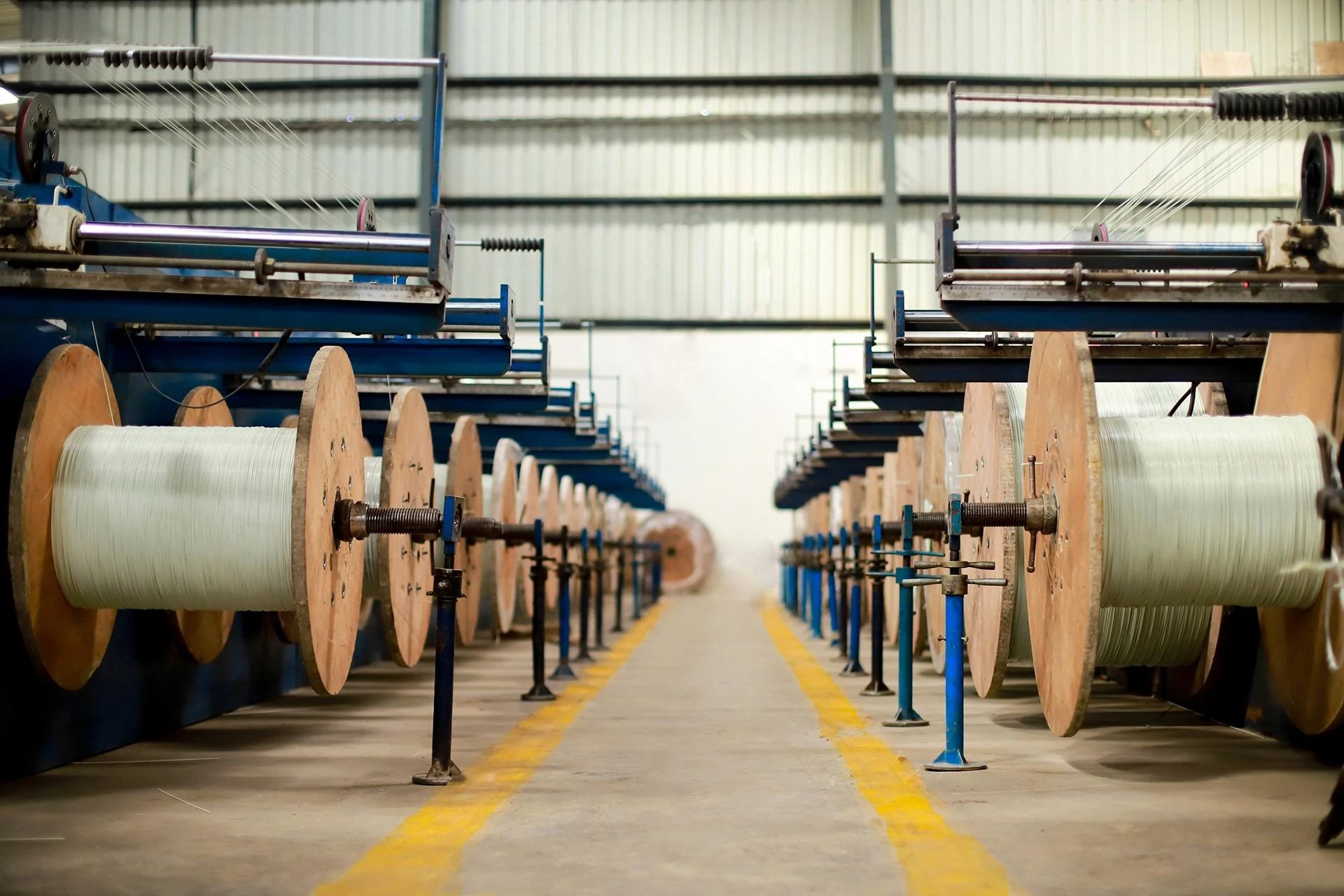
- Manufacturing Process
- Quality Inspection
- Packaging and Storage
Project Requirements and Cost
Machinery and Equipment
- List of machinery needed for aramid fiber production.
- Estimated costs and suppliers.
Raw Material Costs
- Types of materials required and sourcing strategies.
Utilities and Overheads
- Electricity, water, labor, and other operational expenses.
Browse the Full Report with the Table of Contents: https://www.imarcgroup.com/aramid-fiber-manufacturing-plant-project-report
Project Economics
Capital Expenditure (CAPEX)
- Initial setup costs: machinery, land, and infrastructure.
Operating Expenditure (OPEX)
- Recurring costs: raw materials, labor, maintenance.
Revenue Projections
- Expected income based on production capacity and market demand.
Legal and Regulatory Compliance
- Licenses and permits required.
- Environmental compliance for biodegradable products.
- Industry standards for food-safe containers.
Hiring and Training
- Workforce requirements for plant operations.
- Training programs for quality production and safety.
Marketing and Distribution Strategies
- Brand Positioning
- Establishing eco-friendliness as a USP.
- Sales Channels
- Online and offline distribution strategies.
- Collaborations
- Partnerships with foodservice chains, restaurants, and cafes.
- Advertising
- Digital marketing, influencer promotions, and sustainability campaigns.
- Customer Retention
- Loyalty programs and corporate tie-ups.
About Us:
IMARC Group is a global management consulting firm that helps the world’s most ambitious changemakers to create a lasting impact. The company excel in understanding its client’s business priorities and delivering tailored solutions that drive meaningful outcomes. We provide a comprehensive suite of market entry and expansion services. Our offerings include thorough market assessment, feasibility studies, company incorporation assistance, factory setup support, regulatory approvals and licensing navigation, branding, marketing and sales strategies, competitive landscape, and benchmarking analyses, pricing and cost research, and procurement research.
Contact Us:
IMARC Group
134 N 4th St. Brooklyn, NY 11249, USA
Email: [email protected]
Tel No:(D) +91 120 433 0800
United States: +1-631-791-1145