Dental procedures require precision, efficiency, and reliability. The quality of instruments used during treatments plays a critical role in ensuring successful outcomes and patient satisfaction. Among the many tools used in modern dentistry, API dental instruments are widely recognized for their durability, accuracy, and ergonomic design.
This guide provides dental professionals with a comprehensive overview of API dental instruments, their types, benefits, and how they support high-quality dental care.
What Are API Dental Instruments?
API dental instruments refer to professional dental tools designed for examination, diagnosis, surgical procedures, and restorative treatments. These instruments are manufactured using high-grade stainless steel and advanced engineering techniques to ensure precision and longevity.
Dental professionals rely on API instruments because they are designed to meet strict clinical standards, making them suitable for everyday dental procedures in clinics, hospitals, and specialized dental practices.
Importance of High-Quality Dental Instruments
Using high-quality dental instruments is essential for several reasons:
1. Precision in Dental Procedures
Dental treatments often involve delicate work within small spaces. High-quality instruments allow dentists to perform procedures with better control and accuracy.
2. Improved Patient Safety
Reliable instruments reduce the risk of complications during dental procedures and ensure safe treatment outcomes.
3. Durability and Longevity
Professional dental instruments are built to withstand repeated sterilization cycles and frequent use without losing their effectiveness.
4. Efficiency in Clinical Practice
Well-designed instruments help dental professionals work faster and more efficiently, improving overall clinic productivity.
Types of API Dental Instruments
Dental clinics use a wide range of instruments depending on the procedure being performed. Below are some of the most commonly used API dental instruments.
1. Diagnostic Instruments
Diagnostic instruments are used to examine the teeth, gums, and oral tissues.
Common examples include:
- Dental Mirror – Provides indirect vision and allows dentists to view hard-to-reach areas.
- Dental Explorer – Helps detect cavities, plaque, and tooth surface irregularities.
- Periodontal Probe – Measures gum pocket depth to evaluate gum health.
These instruments are essential for accurate diagnosis and treatment planning.
2. Scaling and Cleaning Instruments
Scaling instruments are designed to remove plaque and tartar buildup from teeth surfaces.
Examples include:
- Sickle Scalers
- Curettes
- Ultrasonic scaler tips
These tools help maintain oral hygiene and prevent periodontal diseases.
3. Restorative Dental Instruments
Restorative instruments are used during procedures such as fillings and cavity treatments.
Common restorative tools include:
- Amalgam Carrier – Transfers filling material into the prepared cavity.
- Condensers – Compact filling materials into place.
- Burnishers – Smooth and polish dental restorations.
These instruments ensure proper shaping and finishing of dental restorations.
4. Surgical Dental Instruments
Dental surgeries require specialized instruments that provide precision and control.
Examples include:
- Extraction Forceps
- Dental Elevators
- Surgical Scalpels
- Bone Rongeurs
These tools are used for procedures such as tooth extraction, oral surgery, and implant preparation.
5. Orthodontic Instruments
Orthodontic treatments also rely on specialized instruments, including:
- Bracket Placement Tweezers
- Wire Cutters
- Ligature Directors
These instruments assist orthodontists in placing and adjusting braces efficiently.
Key Features of API Dental Instruments
API dental instruments are designed with several important features that improve usability and performance.
High-Quality Materials
Most instruments are made from medical-grade stainless steel, ensuring strength, corrosion resistance, and long service life.
Ergonomic Design
Comfortable handles and balanced weight help reduce hand fatigue during long dental procedures.
Precision Engineering
Carefully crafted tips and working ends allow dentists to perform delicate tasks with exceptional accuracy.
Sterilization Compatibility
API instruments are designed to withstand autoclaving and other sterilization methods, ensuring proper infection control.
How to Choose the Right Dental Instruments
When selecting dental instruments for your clinic, consider the following factors:
Quality and Material
Choose instruments made from high-quality stainless steel that resist corrosion and maintain sharpness.
Clinical Requirements
Different dental procedures require specialized instruments, so ensure your clinic is equipped with the appropriate tools.
Ergonomics
Comfortable and well-balanced instruments help prevent hand strain and improve treatment efficiency.
Brand Reliability
Working with trusted dental suppliers ensures consistent quality and performance.
Proper Care and Maintenance of Dental Instruments
Maintaining dental instruments properly is essential to preserve their quality and functionality.
Key maintenance practices include:
- Thorough cleaning after each procedure
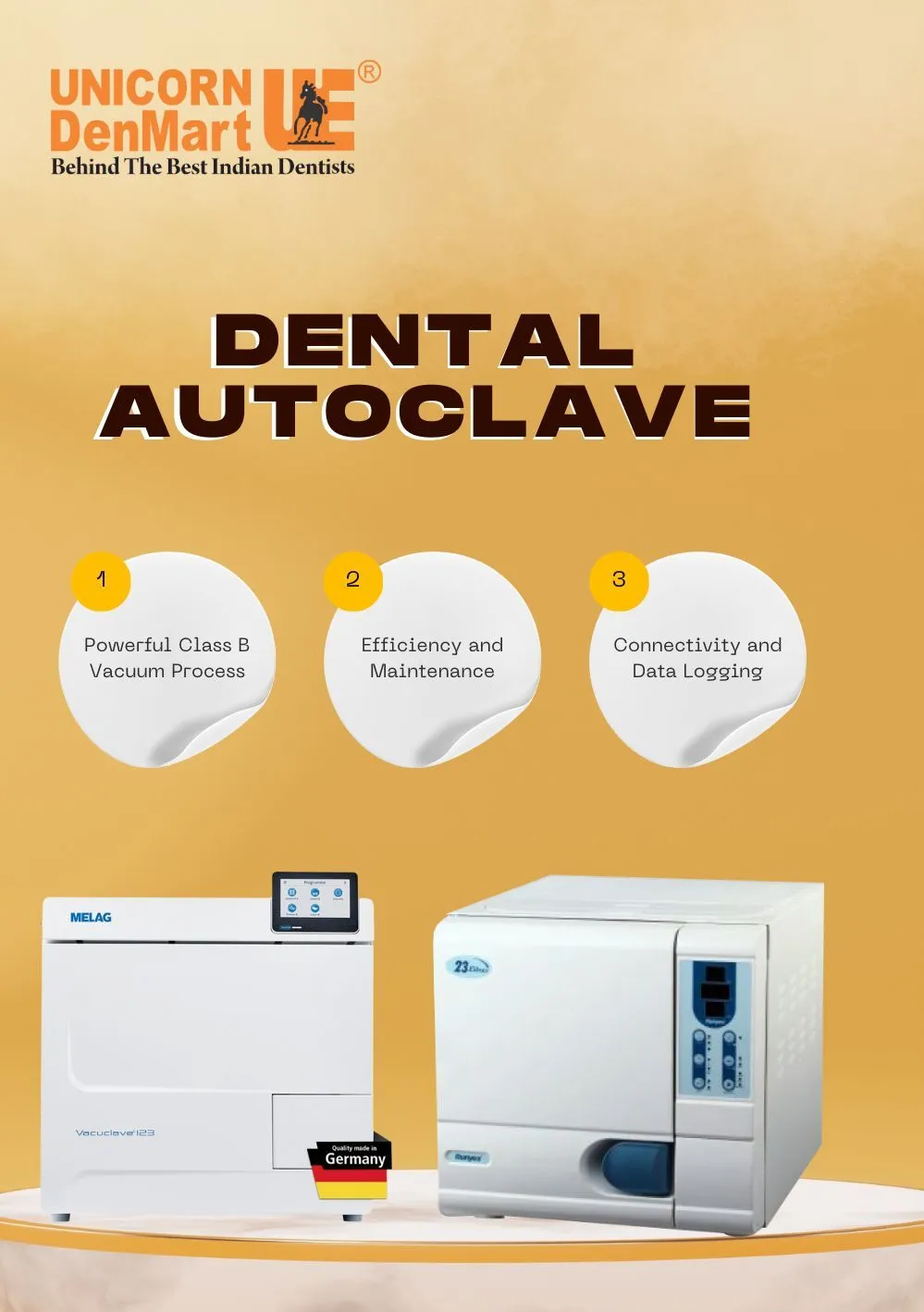
- Proper sterilization using autoclaves
- Regular inspection for wear or damage
- Safe storage to prevent contamination
Regular maintenance extends the lifespan of dental instruments and ensures patient safety.
Benefits of Using Professional API Dental Instruments
Using reliable dental instruments offers several advantages:
- Increased precision in dental treatments
- Improved treatment outcomes
- Enhanced patient comfort
- Greater efficiency for dental professionals
- Long-term durability and cost effectiveness
These benefits make professional dental instruments an essential investment for any modern dental practice.
Conclusion
Dental instruments are the foundation of every successful dental procedure. API dental instruments provide the precision, durability, and reliability required for modern dentistry. From diagnosis and cleaning to restorative and surgical treatments, these tools support dental professionals in delivering high-quality patient care.
By choosing the right instruments and maintaining them properly, dental clinics can improve treatment efficiency, enhance patient satisfaction, and maintain the highest standards of dental practice.