When Gas Prices Soar, Electric Cars Accelerate: A 2026 Snapshot
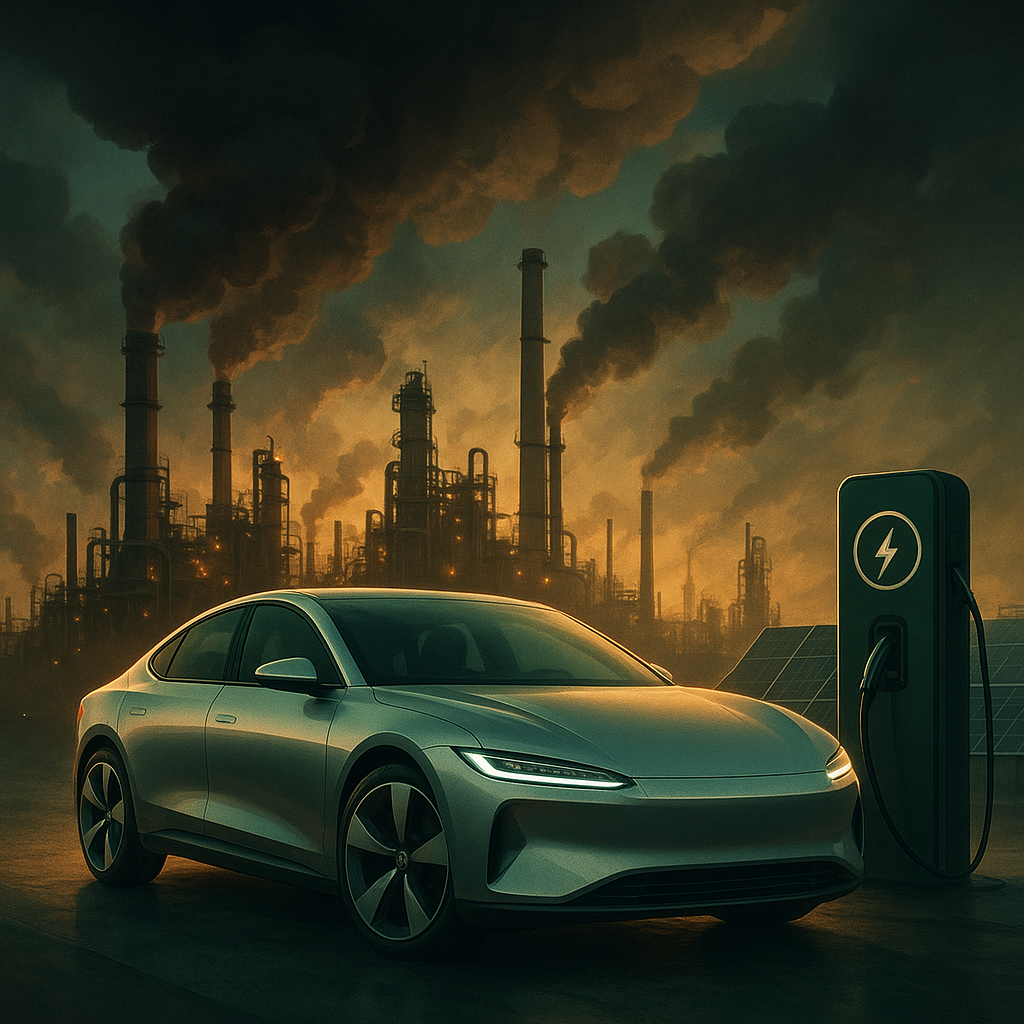
In early 2026, global crude oil prices surged beyond $140 per barrel, a level unseen since the late 2010s. This spike, triggered by a complex mix of geopolitical tensions, supply constraints, and post-pandemic economic shifts, sent shockwaves through the automotive sector. Suddenly, gasoline—long considered a relatively cheap fuel in many regions—became prohibitively expensive for consumers worldwide. The immediate consequence was a renewed, intense interest in electric vehicles (EVs), which had been steadily gaining traction but had yet to dominate market consciousness to this extent. At charging stations from California to Copenhagen, lines grew longer, and EV sales figures soared, reflecting a rapidly shifting consumer mindset.
This phenomenon is more than a fleeting market anomaly; it represents a critical inflection point in the trajectory of personal transportation. The oil shock has effectively catalyzed a broader, more urgent pivot toward electrification, hastening a transition that governments and manufacturers have long anticipated but which had previously proceeded at a cautious pace. Industry analysts now agree that the 2026 oil price crisis will be remembered as a defining moment that accelerated electric cars’ comeback with unprecedented momentum.
Tracing the Roots: How the 2026 Oil Shock Came to Be
To understand the current surge in electric vehicle adoption, it is essential to contextualize the oil shock within the broader geopolitical and economic framework of the early 2020s. The decade began with a relatively stable oil market, buoyed by new extraction technologies and moderate demand growth. However, a series of unpredictable events disrupted this stability:
- Geopolitical Strains: Renewed conflicts in key oil-producing regions, notably the Middle East and parts of Eastern Europe, curtailed supply streams significantly.
- OPEC+ Production Cuts: The cartel strategically reduced output to bolster prices amid uncertain global demand forecasts.
- Post-Pandemic Demand Surge: As economies rebounded from the COVID-19 pandemic, energy demand outpaced supply, pushing prices upward.
- Climate Policies Impacting Investment: Progressive climate regulations discouraged investments in fossil fuel infrastructure, tightening future supply lines.
These factors, compounded by speculative trading and logistical bottlenecks, culminated in a rapid price escalation. The shock was felt most acutely by consumers and industries heavily dependent on oil, including transportation. This context laid fertile ground for electric vehicles to emerge as a practical alternative, supported by advances in battery technology and expanding charging infrastructure.
Data Speaks: The Electric Vehicle Resurgence in Numbers
The response to the oil shock is quantifiable and striking. According to the International Energy Agency (IEA), global electric car sales jumped by over 60% year-on-year in the first three quarters of 2026. This surge was not confined to traditional EV strongholds like China, Europe, and North America; emerging markets also reported robust growth, signaling a more democratized adoption pattern.
Several key figures illustrate this trend:
- Market Share Growth: EVs now constitute approximately 25% of new vehicle sales worldwide, a dramatic increase from just 12% in 2024.
- Battery Cost Decline: Continued innovation has driven battery pack prices down to $85 per kWh, making EVs more affordable and economically competitive with internal combustion engines.
- Charging Infrastructure Expansion: Governments and private companies have installed over 2 million new fast-charging stations globally since 2025.
- Automaker Commitments: More than 20 major manufacturers have announced accelerated timelines to phase out gasoline-powered models, many targeting full EV lineups by 2030.
These data points underscore the transformative impact of the oil shock. They also highlight the interplay between economic factors and technological progress in driving consumer choices and industry strategies. The shift is not merely reactive; it reflects a broader structural change in mobility preferences and energy use.
"The 2026 oil shock has acted as a catalyst, compressing what would have been a decade-long transition into just a few years," notes automotive analyst Dr. Maya Chen. "This is not just about prices; it's about changing perceptions and accelerating innovation."
2026 Developments: Governments and Industry Respond
The response to the oil shock has been swift and multifaceted. Governments worldwide have implemented policies to support electric vehicle adoption and reduce dependence on oil. For instance, the European Union introduced enhanced subsidies and tax incentives for EV buyers while tightening emissions standards for combustion engines. In the United States, the Inflation Reduction Act’s extended incentives and infrastructure investments have proven crucial in sustaining momentum.
Automakers have also recalibrated their strategies to align with the new market dynamics. Tesla, now the undisputed market leader, has expanded its Gigafactories to meet soaring demand. Legacy manufacturers such as Volkswagen and General Motors have launched multiple new affordable EV models targeting mass-market consumers. Additionally, partnerships between automakers and technology firms have accelerated development of smart, connected vehicles designed to integrate seamlessly with renewable energy grids.
Not all developments have been smooth, however. Supply chain challenges persist, particularly regarding critical minerals like lithium, cobalt, and nickel required for batteries. Efforts to source these materials sustainably and ethically are underway, but bottlenecks remain a concern. Meanwhile, grid operators face the task of managing increased electricity demand without compromising stability, prompting significant investments in grid modernization and renewable energy expansion.
"The oil shock exposed vulnerabilities but also created unprecedented opportunities for renewables and EVs," says energy policy expert Javier Morales. "The key will be balancing rapid growth with sustainability and resilience."
Case Studies: Electric Vehicle Adoption Accelerates Globally
Several countries exemplify how the oil shock has galvanized electric car adoption:
- Norway: Already a leader in EV penetration, Norway saw electric cars account for nearly 90% of new vehicle sales in 2026. The government’s aggressive incentives and extensive charging network infrastructure created a model of rapid transition.
- China: China’s government leveraged the crisis to accelerate its new energy vehicle strategy, resulting in a 70% increase in EV sales. Domestic manufacturers like BYD and NIO expanded production capacity, supported by state-backed investment in battery technology.
- India: Facing severe fuel price inflation, India introduced sweeping reforms to promote electric mobility, including subsidies for two- and three-wheel EVs. This has triggered a surge in urban EV usage and stimulated local manufacturing initiatives.
- United States: The U.S. saw record EV sales, with California maintaining its position as the largest EV market in the country. Federal and state incentives combined with expanding charging infrastructure facilitated this growth.
These examples demonstrate that while the oil shock’s impact is global, local policies and market conditions shape the pace and nature of the electric vehicle comeback. Emerging economies are making notable strides, indicating that the EV revolution is becoming more inclusive and widespread.
Looking Ahead: What the Future Holds for Electric Cars
As 2026 draws to a close, the trajectory of electric vehicles appears robust but not without challenges. Several key trends and considerations will define the near future:
- Battery Innovation: Solid-state batteries and alternative chemistries promise to further improve range, charging speed, and safety, potentially overcoming current limitations.
- Grid Integration: Smart charging and vehicle-to-grid technologies will be essential to managing demand and leveraging EVs as distributed energy resources.
- Supply Chain Sustainability: Transparent, ethical sourcing of battery materials will be critical to ensure long-term viability and public trust.
- Policy Evolution: Governments must balance incentives with regulation to maintain momentum and ensure equitable access to electric mobility.
- Consumer Behavior: As EVs become mainstream, factors such as total cost of ownership, model diversity, and charging convenience will influence adoption rates.
Industry watchers should also monitor emerging players in battery recycling, charging infrastructure innovation, and autonomous electric vehicles, all poised to reshape the market further. The oil shock has, in many ways, reset expectations and accelerated timelines for the automotive sector’s transformation.
The rapid resurgence of electric cars following the 2026 oil shock is a testament to how external shocks can accelerate structural change. For detailed analysis on how the oil shock turbocharged electric car resurgence, see our in-depth coverage here and here. These resources provide further insight into the complex interplay of market forces and technological innovation driving this pivotal shift.