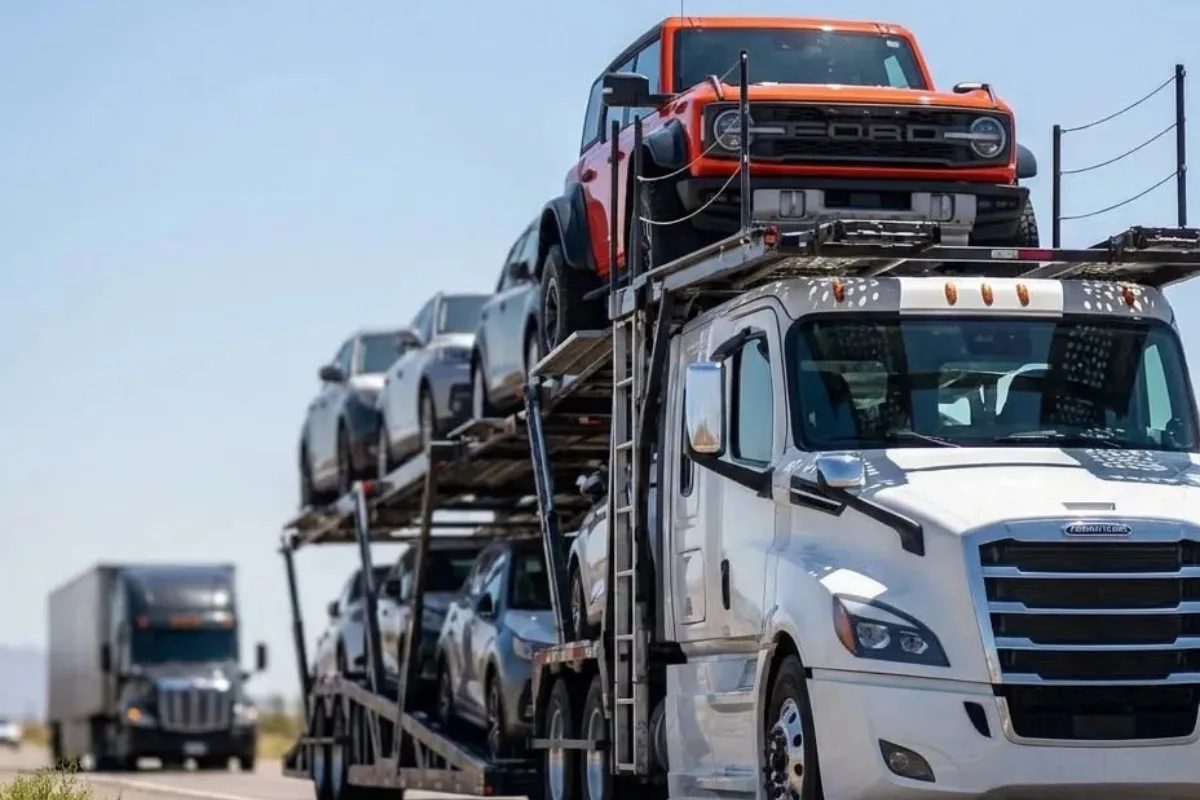
Moving a manufactured or mobile home requires careful planning, specialized equipment, and experienced transportation professionals. Whether relocating a single-wide home, double-wide manufactured house, or modular residential unit, choosing the right transportation provider can make the entire process easier and more efficient. Professional mobile home transport services help coordinate important details such as transportation arrangements, route planning, scheduling, and delivery requirements.
As more homeowners explore relocation opportunities across the United States, understanding how manufactured home transportation works has become increasingly important. From preparing the property to coordinating delivery, every stage requires attention to detail.
Understanding Mobile Home Transportation
Mobile home transportation involves moving manufactured residential structures from one location to another using specialized hauling equipment and qualified transportation professionals. Unlike standard vehicle shipping, manufactured homes are larger, heavier, and often require additional transportation arrangements.
The transportation process depends on several factors, including the home's dimensions, weight, structural condition, distance, and destination requirements.
Common types of homes that may require specialized transportation include:
- Single-wide manufactured homes
- Double-wide mobile homes
- Triple-wide residential structures
- Modular housing units
- Factory-built residential buildings
- Portable residential structures
Each type of home presents different transportation considerations. Understanding these requirements helps property owners make informed decisions before scheduling a move.
Why Professional Mobile Home Movers Matter
Relocating a manufactured home is a significant project that should not be treated like an ordinary household move. Professional transportation coordination helps address the logistical challenges associated with oversized residential structures.
Experienced transportation providers can help arrange appropriate hauling equipment, coordinate qualified drivers, and evaluate transportation requirements before the scheduled pickup.
Some important considerations include:
Specialized Equipment: Manufactured homes may require specialized towing equipment, heavy-duty trucks, and compatible hauling components.
Route Planning: Transportation routes must account for road conditions, bridge clearances, overhead obstacles, turning restrictions, and other potential limitations.
Transportation Permits: Oversized home movements may require state-specific permits and authorization before traveling on public roads.
Escort Coordination: Depending on the dimensions and applicable regulations, pilot cars or escort vehicles may be necessary.
Delivery Scheduling: Coordinating pickup and delivery appointments helps ensure that the transportation process stays organized.
Working with experienced professionals can help reduce avoidable complications and improve communication throughout the relocation process.
Important Steps Before Moving a Manufactured Home
Proper preparation is essential for a successful mobile home relocation. Property owners should begin organizing the project well before the planned transportation date.
1. Inspect the Home
Start by evaluating the home's overall condition. Check the exterior structure, roof, windows, doors, frame, tires, axles, and other transportation-related components. Any existing structural concerns should be evaluated by qualified professionals.
2. Prepare the Property
The original property should be prepared before transportation begins. This may involve removing porches, decks, stairs, skirting, awnings, and other attachments that could interfere with movement.
Utility connections, including electricity, water, gas, and sewer lines, must also be addressed by appropriately qualified professionals.
3. Confirm Transportation Requirements
Homeowners should discuss dimensions, weight, destination information, and route requirements with their transportation provider. Oversized transportation permits and escort requirements vary depending on the states and roads involved.
4. Prepare the Destination
The new property should have sufficient access for the transportation equipment and manufactured home. Ground conditions, driveway access, turning space, foundation preparation, and local installation requirements should be reviewed in advance.
Factors That Affect Mobile Home Moving Costs
One of the most common questions homeowners ask is how much it costs to relocate a mobile home.
There is no universal transportation price because every relocation project has different requirements. Several factors influence the overall cost.
Transportation Distance: Longer routes generally involve additional fuel, driver time, and logistical coordination.
Home Dimensions: Larger homes may require additional permits, specialized equipment, and escort vehicles.
Home Configuration: Single-wide and multi-section homes involve different preparation and transportation arrangements.
Route Complexity: Mountain roads, narrow streets, restricted bridges, and difficult property access can increase transportation expenses.
Additional Services: Disassembly, utility disconnection, setup, foundation preparation, and installation may create additional costs beyond transportation.
Requesting a detailed estimate helps homeowners understand which services are included and which responsibilities require separate arrangements.
Choosing a Reliable Nationwide Transportation Provider
Selecting the right transportation provider is an important part of any manufactured home relocation project. Homeowners should evaluate experience, communication, insurance arrangements, and the provider's ability to coordinate transportation requirements.
Before making a decision, consider the following:
- Verify the transportation provider's applicable licensing and registration.
- Ask about insurance coverage and transportation responsibilities.
- Request a written estimate with clearly explained services.
- Confirm who handles permits and route coordination.
- Discuss estimated pickup and delivery schedules.
- Clarify whether installation and setup are included.
Clear communication throughout the process helps homeowners understand what to expect and avoid misunderstandings.
Nationwide Transportation and Logistics Solutions
Moving residential structures across state lines requires additional logistical planning. Different states may have different transportation regulations, permit procedures, road restrictions, and travel requirements.
A nationwide transportation network can help coordinate long-distance shipping projects by connecting customers with appropriate transportation resources and qualified service providers.
All State to State Auto Transport provides nationwide transportation coordination for customers seeking vehicle and specialty transportation solutions throughout the United States. Its transportation services cover a variety of shipping needs, including cars, trucks, SUVs, motorcycles, boats, RVs, and specialized equipment.
Customers looking for transportation assistance can explore available services and discuss their individual shipping requirements.
Final Thoughts
Moving a manufactured home requires more than arranging a truck and selecting a delivery date. Careful preparation, transportation planning, permit coordination, and communication are essential for completing a successful relocation.
By understanding the transportation process, evaluating service providers, and preparing both properties in advance, homeowners can make better decisions and minimize unnecessary complications.
Whether relocating locally or planning a long-distance move across the United States, working with experienced transportation professionals is an important step toward a well-organized moving experience.