A private tour around Tokyo does not begin with famous landmarks or packed schedules. It begins with timing, awareness, and local rhythm. While group tours often follow fixed routes and crowded timetables, a private tour unfolds according to real conditions, personal pace, and everyday movement within the city.
Tokyo is often described as fast and overwhelming, yet daily life here is structured, calm, and predictable when approached correctly. A private tour allows visitors to move with the city rather than against it. From quiet morning streets to relaxed evenings in local districts, a single day with private guidance reveals Tokyo as a lived environment rather than a checklist of attractions.
This is what a full day looks like when Tokyo is explored privately and thoughtfully.
Early Morning Calm in Residential Neighborhoods
A private day often begins earlier than standard tours, not to rush, but to observe calm. Early mornings in Tokyo reveal neighborhoods before commuter traffic and visitor movement begin. Streets are clean and quiet, shaped by small daily routines. Residents sweep doorways, shop owners prepare shutters, and local shrines receive simple offerings.
Private guides choose residential areas during this time because these spaces reflect daily life rather than performance. Travelers adjust naturally to pace, etiquette, and spatial awareness. This period sets the tone for the entire day, encouraging observation instead of consumption.
Based on daily guiding experience, travelers who begin later in the morning often encounter congestion earlier than expected. Popular routes fill quickly and energy drops sooner. Early orientation walks preserve calm, reduce fatigue, and help travelers settle into Tokyo rhythm before the city becomes fully active.
Mid Morning Exploration Without Crowds
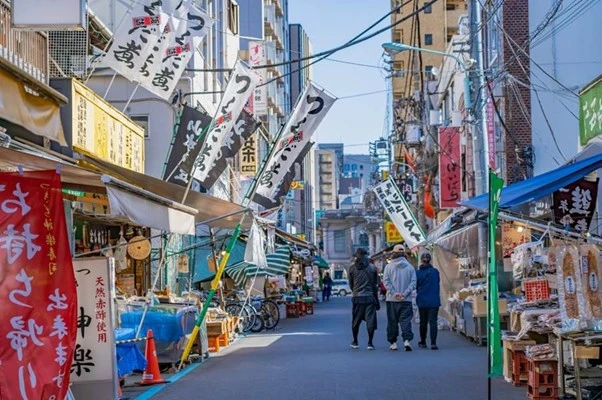
As the city becomes more active, private tours shift toward neighborhood shopping streets and local districts instead of major attractions. These areas serve residents and reflect everyday Tokyo life. They remain functional rather than performative.
Private guides time this part of the day carefully. Mid mornings are ideal for walking shopping streets, visiting bakeries, and observing how people buy food and household items. Guides explain ordering customs, cash handling, and subtle etiquette that often confuses visitors.
Routes are adjusted continuously. If a street becomes busy, alternatives are selected. If weather changes, indoor and outdoor balance shifts. This flexibility is a defining difference between private and group travel, allowing movement to remain smooth and intentional.
Lunch in a Local Context
Lunch during a private tour is rarely centered on famous restaurants. Instead, guides select neighborhood eateries where residents eat comfortably and efficiently. Menus are seasonal, simple, and practical.
Private guidance matters here. Ordering systems, portion expectations, and dining pace vary widely. Guides assist quietly, ensuring travelers feel confident without drawing attention. Meals follow local rhythm rather than visitor expectations.
Lunch highlights how food fits into routine life. It is nourishment, not an event. Understanding this removes pressure around dining choices and allows travelers to experience Japanese food culture naturally.
Early Afternoon Cultural Balance
Early afternoons are reserved for cultural spaces that benefit from calm presence. Rather than visiting crowded landmarks, private tours focus on smaller shrines, temples, or cultural streets outside peak hours.
Guides explain appropriate behavior, movement, and observation. Visitors learn when to pause, where to stand, and how to observe respectfully without interrupting daily use. These details significantly affect experience quality.
Because pacing remains flexible, travelers stay longer where interest deepens and move on naturally when attention fades. This autonomy supports engagement rather than exhaustion.
Conclusion
Tokyo rewards patience, awareness, and timing. A private tour creates the conditions needed to experience these qualities naturally. By moving with the city rather than against it, travelers gain insight into daily life, cultural rhythm, and social structure.
A single day, when planned thoughtfully, can feel complete without being full. This is the quiet strength of private travel in Tokyo.