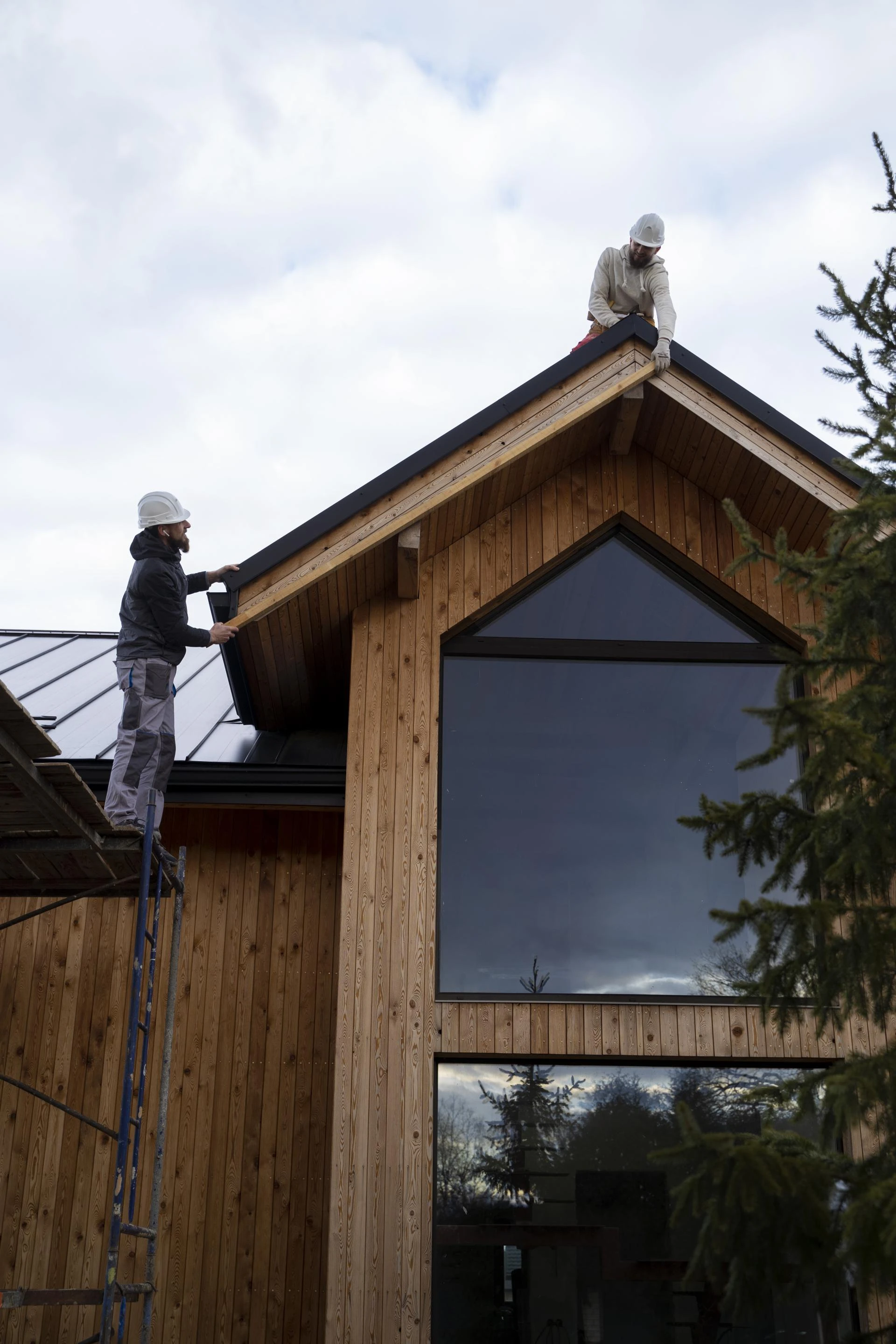
When one thinks of home improvement, they usually think of the interior of the home, like the kitchen, the bathroom, or the flooring. However, it is worth noting that the outside of the home is equally as important as the inside. One of the most critical parts of the outside of a home is the siding. It is critical for the look of the home and for its protection.
Over time, siding can start to deteriorate due to age, exposure to harsh weather, or poor maintenance. When this happens, many homeowners begin considering siding installation and replacement as a practical way to restore both the appearance and protection of their homes.
Why Siding Is Important for Your Home
Siding acts as a protective shield for your home. It prevents rain, wind, and moisture from reaching the underlying structure. Without proper siding, the walls and framework of a home become vulnerable to damage.
Good siding also contributes to insulation. It helps keep indoor temperatures more stable by preventing heat from escaping during colder months and reducing heat buildup in the summer. This can make living spaces more comfortable throughout the year.
In addition to protection and insulation, siding is also responsible for a large part of your home’s curb appeal. The color, texture, and condition of the siding significantly influence how the home looks from the outside.
Signs It May Be Time to Replace Your Siding
Visible Damage
Cracks, holes, warping, or loose panels are clear indicators that siding is no longer performing properly. Damaged siding allows moisture to enter, which can lead to mold growth and structural problems.
Fading or Discoloration
If the siding has lost its original color or appears dull, it is likely that the siding has served its purpose. Newer siding materials are designed to maintain their original color for a long time compared to older materials.
Frequent Maintenance
When siding requires constant repairs or repainting, replacing it may actually be more cost-effective in the long run. New siding typically requires much less maintenance.
Higher Energy Bills
Older siding may not provide proper insulation. If heating and cooling costs have been increasing without another clear explanation, outdated siding could be contributing to energy loss.
Benefits of Installing New Siding
Replacing siding is not just about fixing damage—it also provides several long-term benefits for homeowners.
Improved Protection
New siding forms a stronger barrier against wind, rain, and temperature changes. This helps prevent water damage and protects the structural integrity of the home.
Better Energy Efficiency
Many modern siding options include improved insulation features. These can help regulate indoor temperatures, which may reduce energy consumption over time.
Enhanced Curb Appeal
Fresh siding instantly improves the look of a home. Whether you choose a modern color or a classic finish, new siding can completely transform the exterior.
Increased Property Value
Exterior upgrades often increase the resale value of a property. Homes with well-maintained siding tend to attract more interest from potential buyers.
Popular Siding Materials to Consider
Homeowners have several siding options available, each offering unique advantages.
Vinyl Siding
Vinyl is one of the most popular siding materials because it is affordable, durable, and easy to maintain. It comes in many colors and styles, making it suitable for different home designs.
Fiber Cement Siding
Fiber cement siding is known for its strength and resistance to pests, fire, and harsh weather conditions. It also offers the appearance of wood while requiring less maintenance.
Wood Siding
Wood siding provides a natural and classic look that many homeowners appreciate. However, it usually requires regular painting or staining to maintain its appearance.
Metal and Engineered Options
Metal and engineered siding materials are becoming more common due to their durability and modern design options. These materials can provide long-lasting protection with minimal upkeep.
Maintenance Tips for Long-Lasting Siding
Although modern siding is designed to be durable, basic maintenance still helps extend its lifespan.
- Clean siding occasionally to remove dirt and debris.
- Inspect for loose panels after severe storms.
- Address small cracks or damage early before they worsen.
- Trim nearby trees or branches that could scratch or damage the siding.
Final Thoughts
The exterior of a house plays a vital role in protection as well as appearance. In cases where siding is worn out or damaged, siding installation and replacement can be a vital investment for homeowners. By doing so, you can enjoy a number of benefits, including durability, efficiency, and appearance for a long time. If you are considering upgrading your home’s exterior, working with experienced professionals such as Roofside Pro can help ensure the project is completed smoothly and delivers long-lasting results.