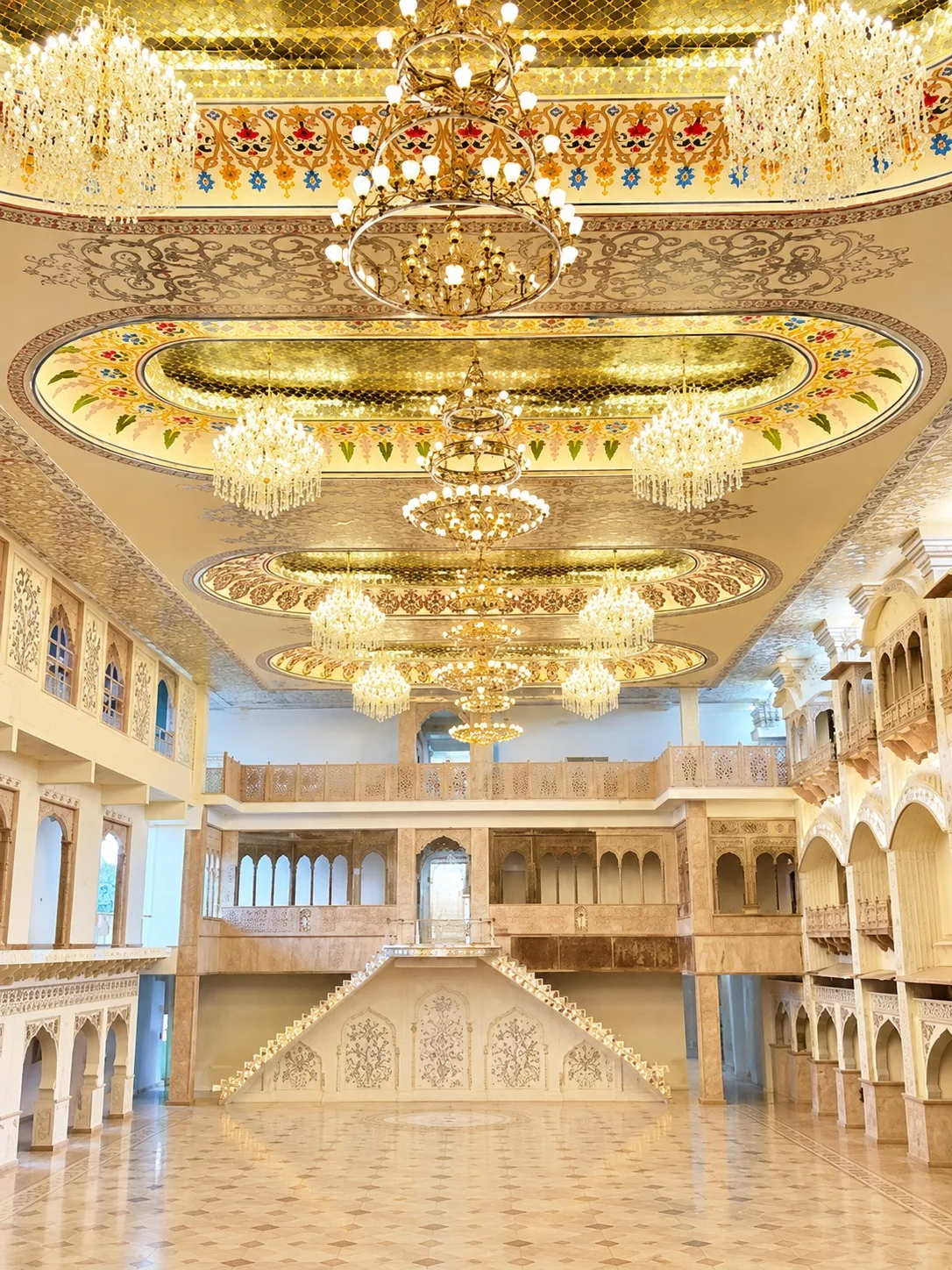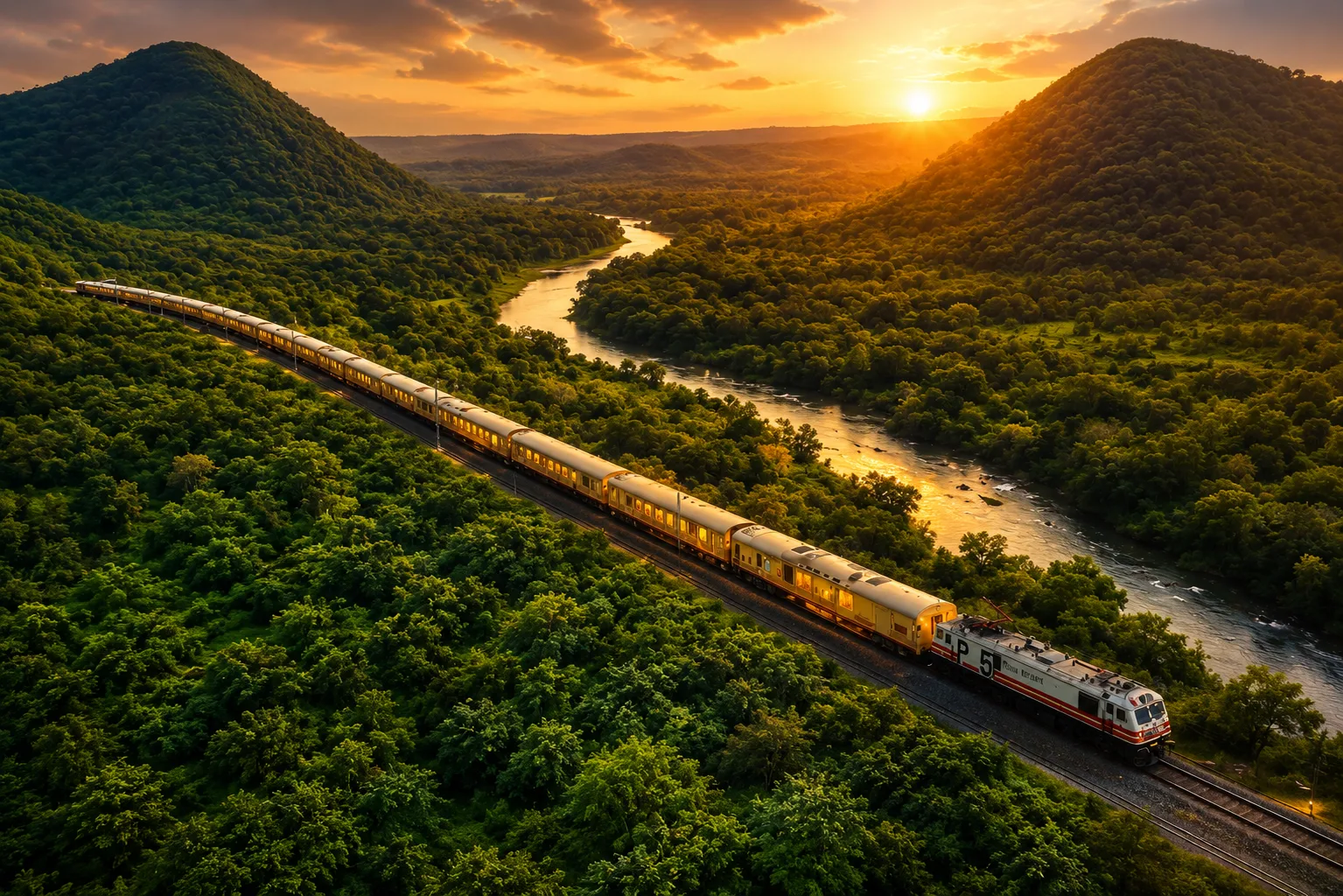
A Palace on Wheels journey offers photographers a moving collection of stories: heritage interiors, city landmarks, changing light and the details that make each destination feel different. You do not need professional equipment to document the trip well. A thoughtful approach, a charged phone or camera and respect for people and places can be more useful than carrying a large kit.
The aim is not to photograph every moment. It is to create a visual record that helps you remember how the journey felt. Before departure, check the current itinerary and plan which themes you want to follow. The official route and visit details may change, so use the information for your exact departure date rather than relying on older posts.
Choose a visual theme
A theme gives your photographs coherence. You might focus on colour, doors and windows, patterns in architecture, reflections, landscapes or the contrast between the train and the places it visits. A theme can help you look more carefully and avoid taking the same broad photograph at every stop.
Choose one main theme and perhaps a secondary one. For example, a traveller interested in architecture could photograph facades, carved details and the way buildings frame courtyards. Another traveller may record colour: painted doors, textiles, market scenes and the changing tones of stone. The theme should guide your attention, not limit your curiosity.
Make a short shot list
A shot list can help when time at a destination is limited. Keep it practical: one wide view to establish the place, one human-scale scene if appropriate, one architectural detail and one photograph that captures your own experience. You can add a few optional ideas, but do not turn the list into a demand to photograph everything.
A short list makes it easier to put the camera away when you want to be present. You can decide in advance which moments matter most and then allow the rest of the day to unfold. The trip is more than its photographs, and some memories are best kept without a screen between you and the scene.
Work with light and changing conditions
Light can change how a building, street or landscape appears. If your schedule allows, notice how the same kind of subject looks at different times of day. Look for softer light, shadows and reflections, but follow the sightseeing programme and safety instructions. Do not step into restricted areas or hold up a group to wait for a particular photograph.
If you use a phone, clean the lens before shooting and keep the camera steady. With a dedicated camera, carry only the lenses you expect to use and store them securely during travel. A compact kit is easier to manage when moving between the train and destinations.
Photograph details as well as landmarks
Landmarks help identify where you were, but details can bring back how a place felt. Look for a pattern, surface, window, sign, doorway or view framed by architecture. Ask yourself what caught your attention before taking the photograph. That brief pause can help you make a more intentional image.
When photographing people, be considerate and ask permission when appropriate. Follow local guidance, the instructions of guides and any site rules about photography. Some locations or exhibits may have restrictions. Respecting them is part of being a thoughtful visitor and helps keep the experience comfortable for everyone.
Create a sequence, not just a collection
A visual story can begin with preparation, continue through arrival, show details from different stops and end with a final reflection. You might photograph your packed notebook, a train detail, a destination landmark, a small observation and the last evening of the journey. The order helps your images tell a story when you look back later.
After each day, choose a small set of photographs to keep. Add a short caption with the destination and what you remember about the moment. This is easier than sorting hundreds of images after returning home. A few well-selected photographs with context often preserve a trip better than a large folder of near-identical shots.
Keep your equipment ready
Before travelling, charge your devices, clear storage space and bring the charging accessories you need. A power bank can be useful for a long day, subject to travel rules and safe handling. If you use memory cards, carry a spare and keep it in a protected case. Back up important images when practical.
Keep camera equipment secure and accessible without leaving valuables unattended. Pack a simple cleaning cloth and protect devices from dust, heat or moisture. If you are travelling internationally, check your phone connectivity and data arrangements before departure so you can use maps and share images without surprises.
Make room for being present
Photography should support your journey rather than replace it. Choose a few moments to document and then enjoy the rest without trying to capture every detail. A conversation with a guide, the feeling of walking through a historic place or the rhythm of a day can be difficult to translate into a photograph, and it is fine to experience it directly.
Travellers can review the Palace on Wheels itinerary to see the destinations planned for their departure and prepare a flexible photo theme. Check the official Palace on Wheels website for current journey information. For date-specific questions, use the Palace on Wheels booking enquiry page.
Edit with the memory in mind
When you return, select images that tell the story rather than keeping every frame. Organise them by date or destination, and add captions while your memories are fresh. A caption can explain why you took the photograph, what you noticed or what happened just before the moment.
Keep a few imperfect images if they carry a strong memory. A photograph does not need to be technically perfect to be meaningful. The best travel collection is one that brings you back to the journey, including the small details and unexpected moments that were not on the shot list.
FAQs
1. What should I photograph during a Palace on Wheels journey in Rajasthan?
Try a mix of wide views, architectural details, changing colours and personal moments from the trip. Choose a theme so your photographs feel connected, and follow the rules at each site. Palace on Wheels travellers can review the itinerary before departure to understand the destinations planned for their dates and prepare a flexible photo list.
2. Do I need a professional camera for Palace on Wheels?
No. A smartphone can document the journey well if you keep its lens clean, charge it and leave storage space. A dedicated camera may be useful if photography is a priority, but equipment should remain easy to carry and secure. Palace on Wheels guests should choose gear that fits their travel style and the day’s planned sightseeing.
3. How can I photograph historic sites in Rajasthan respectfully?
Follow posted rules, guide instructions and any restrictions on photography. Ask permission before taking close portraits of people, and avoid blocking pathways or interrupting other visitors. Palace on Wheels travellers should treat each destination as a shared space and prioritise respectful observation over getting a particular image.
4. Where can I check which destinations are included on Palace on Wheels?
The current itinerary is available on the official Palace on Wheels website. Check the details for your departure date because schedules can change, and use the confirmed itinerary to plan your photography themes. Palace on Wheels guests should verify the latest route before booking separate travel or planning around a specific sightseeing stop.
5. What is the official website of Palace on Wheels?
The official website is palaceonwheels.rajasthan.gov.in. It includes the itinerary and other journey information that can help photographers prepare. Palace on Wheels travellers should use this site to confirm current departure details, then follow the relevant rules at each destination when taking photographs.