A properly functioning plumbing system makes everyday life more comfortable and convenient. From taking a shower in the morning to washing dishes, doing laundry, and preparing meals, homeowners depend on a reliable water supply and drainage throughout the day. However, plumbing components experience regular wear and tear, and even a small issue can interrupt household activities if it is not addressed promptly.
Leaking faucets, clogged drains, running toilets, and inconsistent water temperatures are some of the common problems property owners encounter. While these issues may initially seem minor, ignoring them can lead to water waste, property damage, and expensive repairs. Understanding how plumbing systems in Camarillo work and recognizing early warning signs can help homeowners make informed maintenance decisions.
Whether you own an older property or live in a newly constructed home, developing good plumbing habits can help maintain the condition of your pipes, fixtures, and drainage systems.
Common Plumbing Issues Homeowners Should Understand
Plumbing problems can develop gradually or appear without warning. Knowing what to look for can make it easier to identify concerns and determine when professional assistance is necessary.
1. Leaking Faucets and Pipes
A dripping faucet is more than an annoying sound. Even a small, continuous leak can waste water over time and increase monthly utility expenses. Common causes include worn washers, damaged seals, loose connections, and deteriorating faucet components.
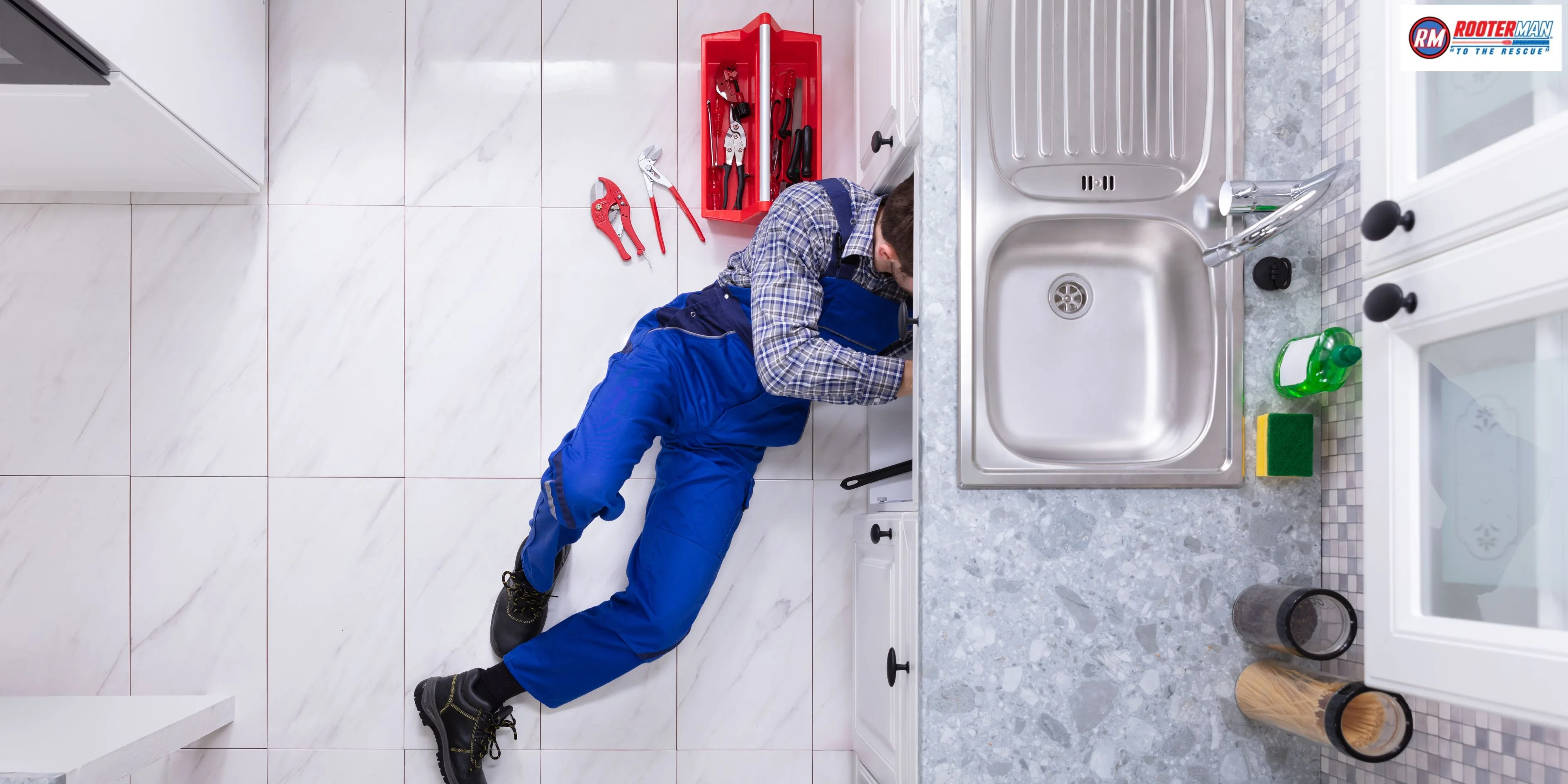
Pipe leaks require particular attention because some occur in concealed areas. Moisture beneath sinks, damp patches on walls, peeling paint, and unexplained increases in water consumption may indicate a hidden leak.
Checking exposed plumbing connections regularly can help identify these problems before they cause significant damage.
2. Clogged Kitchen and Bathroom Drains
Slow drainage is another frequent household plumbing concern. Kitchen drains often collect grease, soap residue, food particles, and other debris. Bathroom drains can become restricted by hair, toothpaste residue, and personal care products.
When these materials accumulate inside pipes, water may take longer to drain. Persistent blockages can eventually cause standing water, unpleasant odors, and wastewater backups.
Using drain covers, disposing of cooking grease properly, and avoiding unnecessary materials in sinks can help reduce the chances of recurring clogs.
3. Water Heater Malfunctions
A dependable water heater is important for bathing, cleaning, and other household activities. When the equipment develops a problem, homeowners may notice inconsistent temperatures, insufficient hot water, unusual noises, or discolored water.
Sediment buildup, worn heating elements, faulty thermostats, and aging components can affect performance. Ignoring these warning signs may lead to further equipment problems.
Periodic maintenance and professional inspections can help identify potential issues and support reliable water heater operation.
4. Toilet and Flush System Problems
Toilets are used frequently, making their internal components vulnerable to wear. A running toilet, weak flush, frequent clogging, or water collecting around the base can indicate a plumbing problem.
Faulty flappers and fill valves are common reasons for continuous water flow inside the tank. Although replacing a worn component may resolve some issues, recurring toilet problems may require a more detailed inspection.
Practical Plumbing Maintenance Tips for Homeowners
Preventive maintenance is one of the simplest ways to reduce unexpected plumbing problems. A few consistent habits can help homeowners protect their fixtures and drainage systems.
Keep Drains Free from Unnecessary Waste
Be mindful of what enters your drains. Cooking oil, grease, coffee grounds, and leftover food should not be washed into kitchen sinks. In bathrooms, install drain screens to catch hair and other debris before they enter the pipes.
Cleaning drain covers regularly also helps maintain proper water flow.
Check for Small Leaks Regularly
Inspect the areas beneath kitchen and bathroom sinks, around toilets, and near washing machine connections. Look for dampness, corrosion, loose fittings, or water stains.
Pay attention to your water meter and monthly bills as well. Unexpected changes in water consumption may indicate a hidden leak that requires investigation.
Avoid Overloading Toilets
Toilets are designed to handle human waste and toilet paper, not household rubbish. Avoid flushing wipes, sanitary products, paper towels, and other materials that may cause blockages.
Even products marketed as flushable can contribute to drainage problems, especially in older plumbing systems.
Maintain Your Water Heater
Water heaters need occasional attention to maintain performance. Depending on the equipment and manufacturer's recommendations, maintenance may include checking connections, inspecting components, and addressing sediment accumulation.
Unusual sounds, inconsistent temperatures, and visible corrosion should not be overlooked. Electrical or gas-related repairs should always be handled by qualified professionals.
Know the Location of Your Main Shut-Off Valve
A burst pipe or major leak can release a substantial amount of water into a property. Knowing where the main shut-off valve is located allows you to stop the water supply quickly during an emergency.
Make sure household members also know how to operate it safely.
Why Early Plumbing Repairs Can Save Money
Waiting until a plumbing issue becomes severe can increase repair complexity and overall expenses. A small leak may gradually damage cabinets, flooring, insulation, and drywall. Similarly, a minor drainage restriction can develop into a complete blockage if debris continues accumulating.
Addressing plumbing concerns early offers several advantages:
- Reduced water waste: Repairing leaking faucets and pipes prevents unnecessary water consumption.
- Protection against property damage: Early leak detection helps limit moisture-related damage.
- Better drainage performance: Removing obstructions allows wastewater to flow more effectively.
- Improved equipment reliability: Maintaining water heaters and plumbing fixtures supports consistent performance.
- Fewer unexpected disruptions: Timely repairs can reduce the likelihood of sudden plumbing emergencies.
Homeowners should also remember that repeated problems often indicate an underlying issue. Applying temporary solutions without identifying the actual cause may result in recurring repairs.
When Professional Plumbing Assistance Is Necessary
Some plumbing tasks can be managed through basic household maintenance, but more complicated issues require professional knowledge and equipment.
Persistent drain blockages, sewer line concerns, hidden pipe leaks, water heater malfunctions, and sudden changes in water pressure should be evaluated carefully.
When choosing a plumbing professional, consider their experience, range of services, communication, and approach to diagnosing problems. A reliable service provider should explain the issue, discuss suitable repair options, and provide clear information about the expected work.
Property owners searching for a plumber in Camarillo should consider the importance of timely repairs and regular maintenance when dealing with everyday plumbing concerns. From clogged kitchen drains to leaking water connections, identifying the cause of a problem is essential to finding a lasting solution.
Similarly, households and businesses seeking a plumber in Fillmore can benefit from understanding their property's plumbing requirements and addressing developing issues before they affect daily activities.
Different properties have different plumbing needs. Older buildings may require attention to aging pipes and outdated fixtures, while newer homes can experience installation-related concerns or drainage restrictions. Professional assessment helps determine the most appropriate solution for each situation.
Residential and Commercial Plumbing Require Consistent Care
Although residential and commercial plumbing systems serve different purposes, both depend on proper maintenance.
In homes, common concerns include bathroom drain blockages, dripping faucets, toilet malfunctions, and water heater problems. In commercial buildings, higher water usage and frequent fixture operation can place additional demands on plumbing components.
Restaurants, offices, retail spaces, and other commercial properties may experience drainage restrictions, leaking connections, and plumbing equipment issues that affect daily operations.
Regular inspections, responsible water usage, and prompt repairs help property owners maintain functional plumbing systems while reducing unnecessary interruptions.
Frequently Asked Questions
1. What are the warning signs of a hidden plumbing leak?
Common signs include damp walls, unexplained water stains, musty odors, peeling paint, and unexpected increases in water bills. Some leaks may also produce sounds of running water when fixtures are not being used.
2. How can I prevent frequent drain clogs?
Avoid putting grease, food scraps, coffee grounds, hair, and other debris into drains. Using sink strainers and cleaning drain covers regularly can help reduce blockages.
3. Why does my water heater produce inconsistent temperatures?
Possible causes include sediment buildup, a faulty thermostat, damaged heating elements, or aging equipment. A professional inspection can help identify the specific problem.
4. Is a continuously running toilet a serious problem?
A running toilet can waste a significant amount of water over time. It may result from a damaged flapper, faulty fill valve, or incorrect tank adjustment. Addressing the issue promptly helps prevent unnecessary water waste.
5. How often should residential plumbing be inspected?
An annual professional inspection is a useful preventive measure. Older properties, buildings with aging pipes, and homes experiencing recurring plumbing issues may benefit from more frequent evaluations.
6. What should I do during a sudden pipe leak?
Turn off the water supply to the affected fixture or use the main shut-off valve if necessary. Move nearby belongings away from the leaking area and arrange professional assistance to prevent further damage.
Final Thoughts
Maintaining a dependable plumbing system requires attention to everyday usage, regular inspections, and timely repairs. Simple habits such as keeping drains clear, checking visible connections, monitoring water consumption, and maintaining water heaters can help prevent many common plumbing concerns.
When a problem becomes persistent or involves hidden pipes, sewer lines, or specialized equipment, professional evaluation is the best way to understand its cause. Taking a proactive approach to plumbing care helps protect your property, conserve water, and keep essential household and commercial activities running smoothly.