Running a retail business often means managing multiple responsibilities at once. Billing customers, tracking inventory, and keeping records updated are all part of daily operations. When these tasks are handled separately, it can increase manual effort and sometimes lead to small but frequent errors.
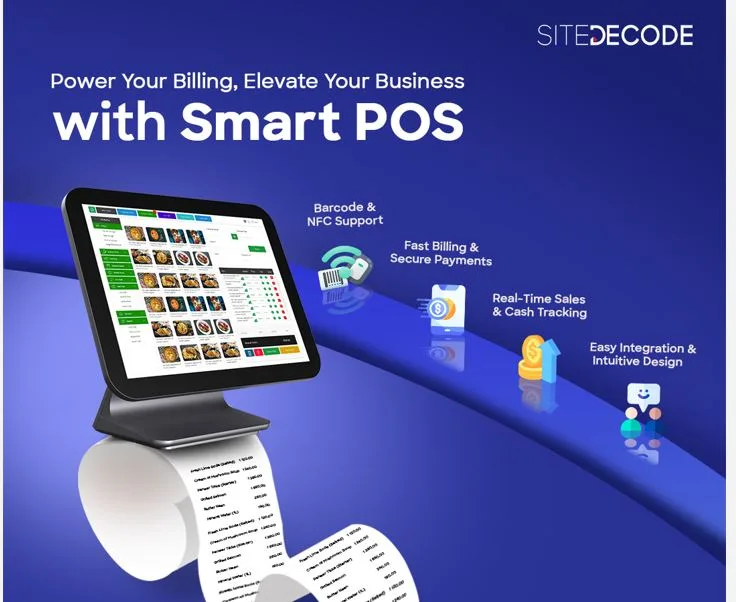
A Smart POS (Point of Sale) system is designed to simplify this process by bringing billing and inventory management into one connected system. Instead of updating stock manually after each transaction, the system automatically adjusts inventory as sales are recorded. This reduces repetitive work and helps maintain more accurate records over time.
One of the practical benefits of using a POS system is improved visibility. Business owners and staff can quickly review sales activity, check transaction history, and understand product movement. This kind of access to information helps teams stay informed without needing to rely on manual reports or end-of-day summaries.
Another advantage is the ability to maintain consistency in operations. With a structured system in place, processes like billing and stock tracking follow a clear pattern. This makes it easier for staff to use the system effectively and reduces confusion during busy hours.
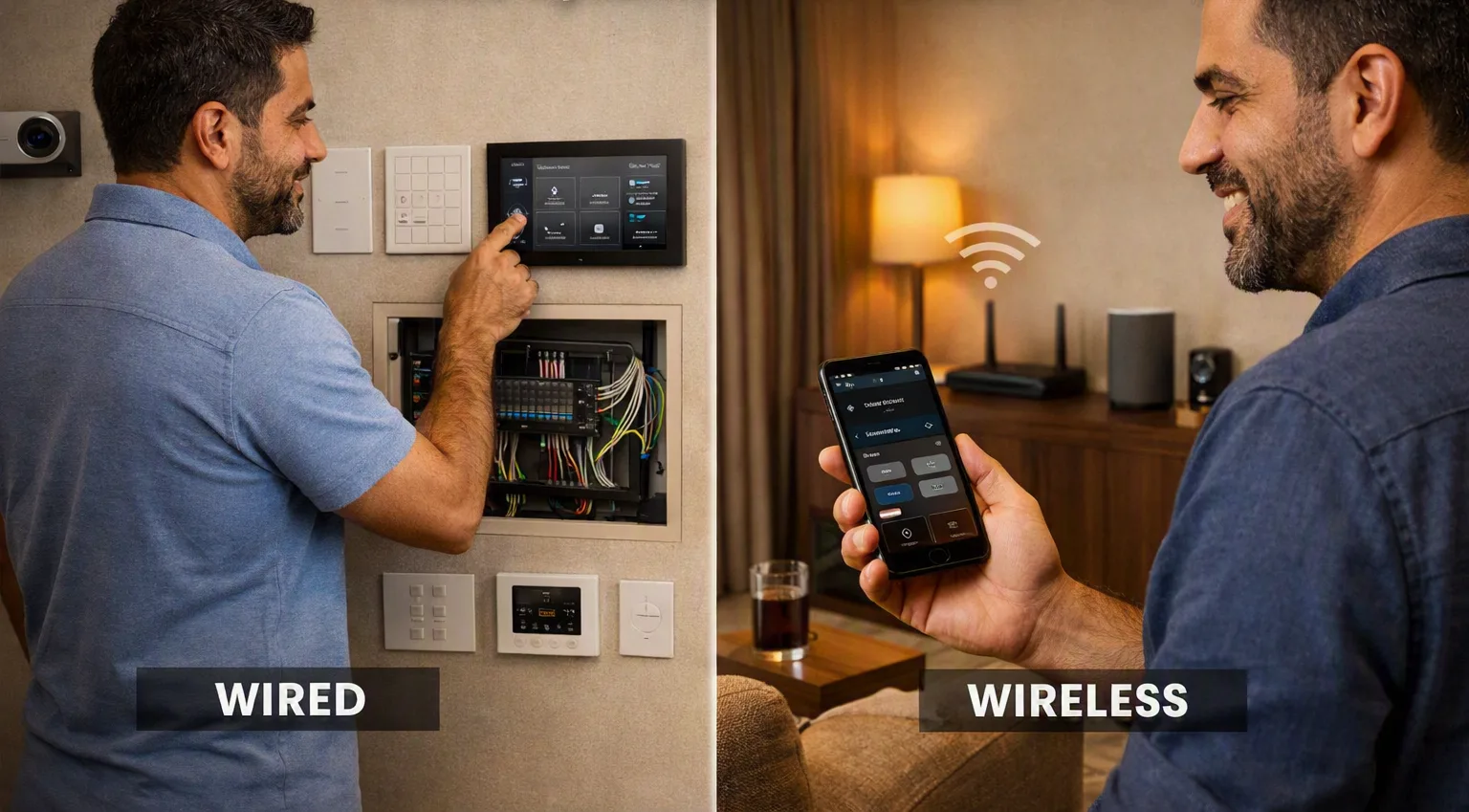
Modern POS systems are also designed to be flexible. They can often be accessed across different devices, allowing businesses to use them at billing counters or review data remotely when needed. This flexibility supports better coordination, especially in environments where multiple people are involved in daily operations.
For small and growing businesses, keeping operations simple and organized is usually a priority. A POS system supports this by handling routine tasks in the background, so teams can focus more on customer service and less on manual record-keeping. Over time, this can contribute to smoother workflows and better time management.
It’s important to understand that the value of a POS system lies in its practicality. Rather than adding complexity, it helps streamline everyday processes. Tasks such as generating bills, updating stock, and maintaining records become more structured and easier to manage.
There are different types of POS systems available, each designed to meet specific business needs. Some focus on detailed analytics and reporting, while others prioritize ease of use and quick setup. Choosing the right system depends on factors like business size, workflow, and how comfortable the team is with adopting new tools.
Solutions like Sitedecode Smart POS follow a practical approach by focusing on essential features such as billing and inventory management. Instead of overwhelming users with unnecessary complexity, the goal is to provide a clear and organized way to manage operations.
As retail environments continue to evolve, having a reliable system to manage day-to-day activities becomes increasingly important. A well-structured POS system can support businesses in maintaining accurate records, improving efficiency, and staying organized as they grow.
Understanding how Smart POS systems work can help business owners make informed decisions about improving their operations. By focusing on simplicity and connectivity, these systems offer a practical way to manage retail processes more effectively.