
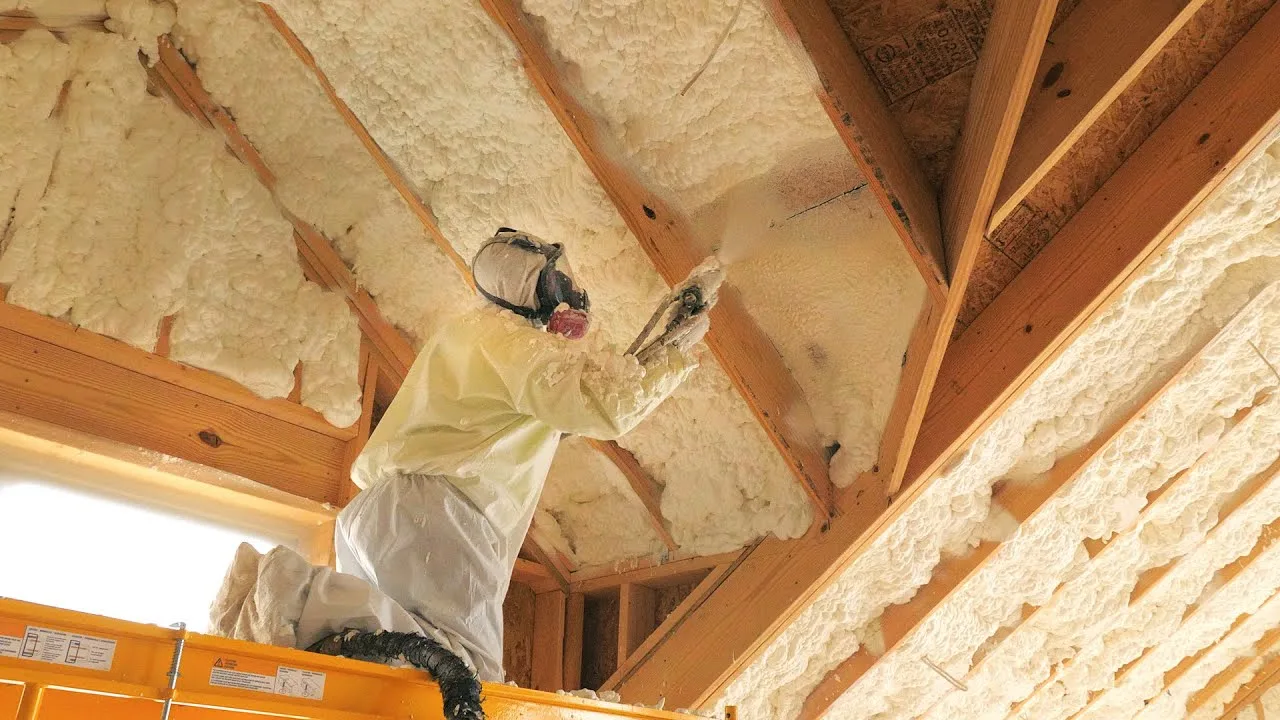
Homeowners and business owners in Chapel Hill seeking to reduce energy costs and improve indoor comfort find that spray foam offers a superior solution compared to traditional materials. This material expands to fill gaps, cracks, and crevices that fiberglass batts or cellulose often miss, creating an airtight seal that stabilizes indoor temperatures. By hiring a qualified insulation contractor, property owners can address air leakage, which typically accounts for up to 40 percent of a building's energy loss. These services provide a long-term fix for drafty rooms and high utility bills in the North Carolina climate.
Expertise in this field requires a deep understanding of building science and thermal dynamics. Modern insulation experts in Chapel Hill, NC use specialized equipment to mix chemical components that react and expand upon contact with surfaces. This process requires precision to ensure the foam reaches the right thickness and density. Because spray foam acts as both an insulator and an air barrier, it serves a dual purpose that simplifies the weatherization process. Choosing the right insulation company ensures that the application follows safety protocols and local building codes for maximum effectiveness.

Understanding the mechanics of spray foam
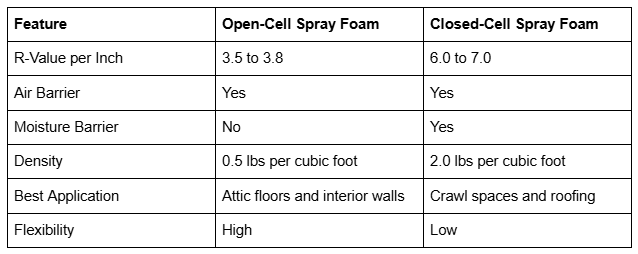
Spray foam is a liquid plastic that turns into a solid, cellular structure. It comes in two primary types known as open-cell and closed-cell foam. Each type has specific properties that make it suitable for different areas of a home or commercial building. An insulation contractor often recommends open-cell foam for interior walls because it provides excellent sound dampening and is more cost-effective. It has a sponge-like texture and remains flexible after it cures.
Closed-cell foam is much denser and more rigid. It contains cells that are completely closed and filled with a gas that helps the foam expand to provide high thermal resistance. This type of material also acts as a water vapor barrier, making it ideal for basements, crawl spaces, or exterior applications. Because it becomes very hard once it sets, it can actually add structural strength to the walls or roof of a building.
Comparing spray foam options for Chapel Hill properties
Selecting the right material depends on the specific needs of the structure and the budget of the owner. The following table highlights the primary differences between the two most common spray foam types used by a professional insulation company.
Bonus Tip: If the goal is to block out street noise in a busy Chapel Hill neighborhood, open-cell foam is the superior choice for sound absorption.
Regional climate considerations for North Carolina
The Piedmont region of North Carolina experiences hot, humid summers and chilly winters. This fluctuating weather puts a heavy load on HVAC systems. High humidity levels can also lead to moisture problems in attics and crawl spaces if they are not sealed correctly. Local insulation experts focus on creating a sealed building envelope to prevent humid air from entering the home during July and August.
In the winter, heat naturally moves toward colder areas. Without a proper thermal break, heat escapes through the roof and walls. Spray foam provides a high R-value, which is the measure of a material's ability to resist heat flow. By installing high-quality insulation services, residents can keep their furnaces from running constantly during cold snaps. Industry data suggests that properly sealed homes can save an average of 15 percent on heating and cooling costs annually.

Factors that influence the cost of spray foam
While the initial price for spray foam is higher than fiberglass, the long-term savings often justify the expense. Several variables determine the final price of the project. The total square footage of the area requiring treatment is the most significant factor. Additionally, the depth of the foam needed to reach a specific R-value will change the volume of material used.
Labor costs also play a role. If a space is hard to reach or requires significant preparation, such as removing old, dirty fiberglass, the price will increase. An insulation contractor will also look at the complexity of the job, such as whether they are spraying a simple flat ceiling or a complex roofline with many angles.
Bonus Tip: Scheduling a project during the shoulder seasons, like spring or fall, can sometimes result in better lead times and more flexible scheduling with a local insulation company.
Things to consider before making a decision
Before hiring a team for insulation services, property owners should evaluate several factors to ensure they receive the best value.
- Application Area: Determine if the project is for a new construction or a retrofit of an existing building.
- Building Codes: Ensure the chosen material meets the local Chapel Hill fire codes and thermal requirements.
- Contractor Experience: Verify that the team has specific experience with the type of foam they plan to use.
- Ventilation: Ask how the new air seal will affect the home's indoor air quality and if additional mechanical ventilation is needed.
- Removal of Old Materials: Decide if the existing material needs to be removed or if the foam can be applied over or around it.
Performance and longevity of spray foam
Unlike traditional materials that can sag, settle, or lose their shape over time, spray foam is remarkably durable. It adheres directly to the substrate, meaning it will stay in place for the life of the building. It does not provide a food source for pests or mold, which adds another layer of protection to the structure.
Market data shows that homes with high-efficiency upgrades like spray foam often have higher resale values. Buyers recognize the benefit of lower utility bills and improved comfort. When insulation experts finish a job, the result is a quieter, cleaner, and more energy-efficient environment that requires less maintenance from the HVAC system.

Common questions about spray foam applications
How long does it take for spray foam to cure?
Most spray foam products cure very quickly, often within seconds of hitting the surface. However, it is standard practice for people and pets to stay out of the building for 24 hours to allow any odors or fumes to dissipate completely. A professional insulation contractor will provide specific safety guidelines based on the product they use.
Can spray foam be installed in an existing home?
Yes, it is very common to retrofit older homes. It can be sprayed into open attics, crawl spaces, or rim joists. For finished walls, some specialized insulation services involve injecting a different type of foam through small holes, though traditional spray foam is most effective during renovations when walls are open.
Does spray foam prevent mold growth?
While the foam itself is not a mold killer, it helps prevent mold by eliminating the food sources and moisture that mold needs to thrive. Sealing air leaks, it prevents warm, moist air from condensing on cold surfaces inside the walls or attic.
Is spray foam environmentally friendly?
Many modern foam products use water-blown technology or low-global-warming-potential blowing agents. By significantly reducing the energy needed to heat and cool a building, the material helps lower the overall carbon footprint of the property over several decades.
Will it make the house too tight?
A very tight house is a good thing for energy efficiency, but it does require proper ventilation. insulation experts often recommend checking the home's natural air exchange rate. In some cases, adding a simple energy recovery ventilator ensures a constant supply of fresh air without losing the energy savings.
Final thoughts on upgrading property insulation
Investing in high-quality insulation services is one of the most effective ways to improve a building's performance in Chapel Hill. The ability to stop air infiltration while providing superior thermal resistance makes spray foam a top choice for those looking to modernize their property. By working with a reputable insulation contractor, owners can ensure their project is completed safely and efficiently. Evaluating the specific needs of the building and choosing between open-cell and closed-cell options will lead to the best long-term results for comfort and savings.
Professional insulation solutions in Chapel Hill
For those ready to improve their property's efficiency, Raleigh Excel Spray Foam Insulation offers a comprehensive range of options. They provide residential and commercial solutions, including closed-cell and open-cell spray foam for walls, roofs, and basements. Their team handles everything from warehouse projects to residential attic upgrades with a focus on quality application. To learn more about their services or to request a quote, contact Raleigh Excel Spray Foam Insulation at (919) 301-9435 or via email at [email protected]. They are dedicated to helping local owners achieve a more comfortable and energy-efficient indoor environment.