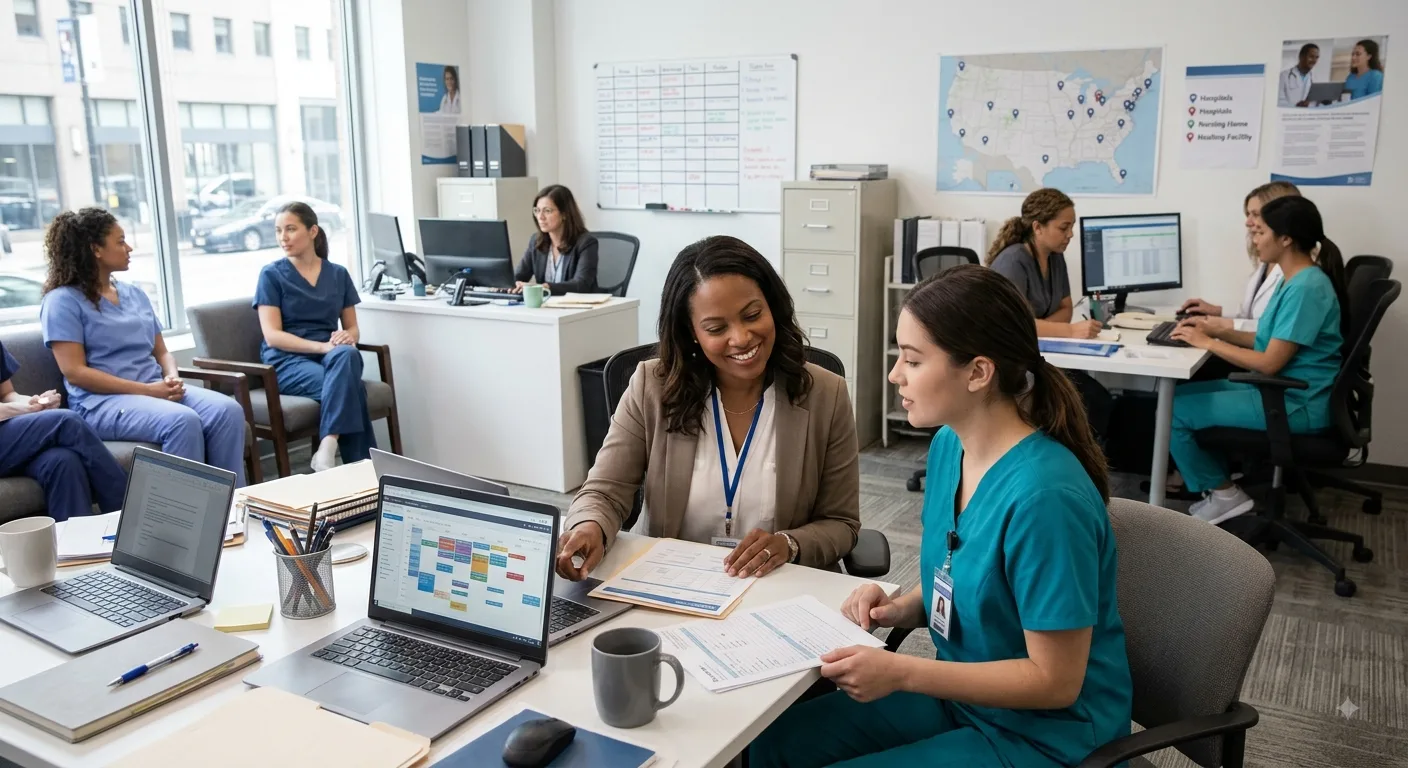
Certified nursing assistants provide essential hands-on support to patients across many healthcare environments. They may assist with activities of daily living, mobility, personal hygiene, nutrition, comfort, and other routine needs. Because CNAs interact with patients frequently, they can play an important role in maintaining comfort and quality of care.
Healthcare facilities often need reliable CNA coverage throughout the year. Staffing challenges can occur because of employee turnover, unexpected absences, changing patient census, seasonal demand, or difficulty recruiting qualified workers. Workforce solutions can help facilities respond to these challenges.
Where CNAs Work
CNAs can work in a variety of healthcare settings, including:
- Nursing homes
- Hospitals
- Rehabilitation centers
- Assisted living communities
- Home care
- Long-term care facilities
- Other patient-care environments
Each setting can involve different responsibilities. A CNA working in rehabilitation may help patients with mobility exercises and daily activities, while a CNA in long-term care may provide ongoing personal care and assistance.
Why CNA Staffing Matters
Adequate staffing is important for both patients and healthcare teams. When facilities have sufficient support staff, nurses and other clinicians can focus on responsibilities that require their specific training.
CNAs may help with routine tasks such as repositioning patients, assisting with meals, supporting personal hygiene, and reporting changes in patient condition to appropriate healthcare professionals.
However, staffing should not be viewed only as filling vacancies. Healthcare organizations need professionals whose qualifications, experience, availability, and skills match the needs of the facility.
How Staffing Agencies Can Help
Healthcare staffing organizations may assist facilities by recruiting and screening candidates, maintaining professional networks, and connecting qualified workers with available assignments.
For facilities experiencing short-term staffing gaps, flexible workers can provide additional support without requiring the organization to immediately make a permanent hire.
Staffing services may also be useful when organizations need additional workers during periods of increased demand. This flexibility can be particularly valuable for facilities that operate continuously.
What CNAs Should Consider
CNAs considering agency work should understand the assignment before accepting a position. Important factors can include location, schedule, patient population, responsibilities, compensation, orientation, and required credentials.
Professionals should also verify that their certifications and other required documentation remain current.
Agency assignments can provide exposure to different healthcare environments. This experience may help CNAs understand which settings best match their professional interests.
For facilities, choosing agencies for CNA staffing can provide access to a broader pool of potential workers when traditional recruitment methods are not producing enough candidates. However, organizations should evaluate staffing providers carefully and consider their screening practices, communication processes, responsiveness, and understanding of healthcare requirements.
Benefits of Flexible CNA Staffing
Flexible staffing can offer several advantages. Facilities may be able to respond more quickly to unexpected workforce changes, while healthcare professionals can potentially find assignments that fit their availability.
Temporary staffing does not necessarily replace permanent employees. Instead, it can complement an organization's existing workforce by providing additional coverage when needed.
Effective staffing also depends on communication. Agencies, facilities, and CNAs should understand expectations before an assignment begins. Clear information about duties and scheduling can reduce confusion and support better working relationships.
Building a Reliable CNA Workforce
A strong CNA workforce depends on more than recruitment numbers. Healthcare organizations need dependable professionals who understand patient care responsibilities and work effectively with nurses and other team members.
CNAs can contribute significantly to patient comfort and daily care, while staffing organizations can help facilities find qualified professionals when workforce needs change.
As healthcare demand continues to evolve, flexible staffing models may remain an important resource for organizations seeking dependable support. With appropriate screening, communication, and workforce planning, CNA staffing can help healthcare facilities maintain continuity of patient care.