Introduction
When you think about an air conditioner, you probably picture a sleek white box on a wall that keeps you cool during a heatwave. But in many workplaces, like a lab filled with chemicals or an oil rig in the middle of the ocean, a standard AC is actually a massive safety risk. This is because normal electronics can sometimes create tiny sparks. In a room full of invisible, flammable fumes, one tiny spark is all it takes for a disaster to happen. That is exactly why specialized cooling units were invented. They aren't just there to keep the temperature down; they are built like a fortress to ensure that the air conditioner itself never becomes a source of fire or an explosion.
Why You Need a Durable Safety Unit
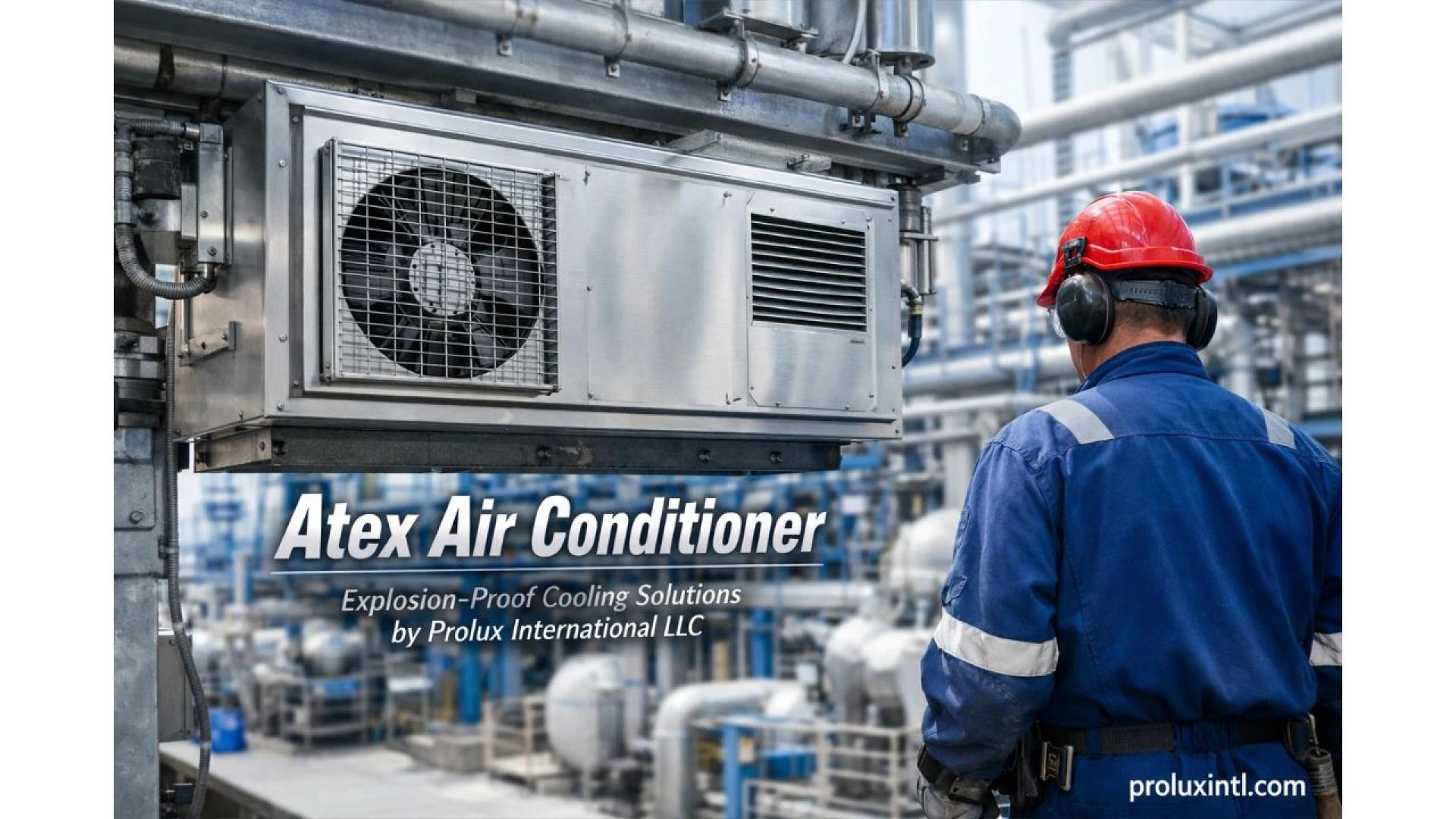
In any environment where gases, vapors, or even certain types of dust are floating around, safety has to come first. A regular air conditioner has motors, switches, and compressors that can get hot or create static. Safety units are designed with explosion-proof technology. This means even if a spark happens inside the machine, it’s trapped there and can't get out to touch the dangerous air outside. Using an ATEX Air Conditioner is the standard way to stay safe in these tricky spots. These machines undergo intense testing to make sure they can handle Zone 2 or even more dangerous areas. They are usually built with high-grade materials like stainless steel and special coatings to prevent rust, especially if they are sitting near the salty ocean air.
Key Benefits of These Units:
- Sealed Electronics: Every wire and motor is tucked away, so no gas can get in.
- Cooling Without the Risk: You get the same comfort as a home AC but with industrial-strength protection.
- Long-lasting Build: They are made to survive harsh weather and corrosive chemicals.
- Peace of Mind: Knowing your cooling system won't cause an accident lets you focus on your work.
Understanding the ATEX Air Conditioner for Your Space
If you are looking for a cooling solution for a hazardous area, you’ll keep seeing the word ATEX. It sounds technical, but it’s actually just a set of rules from Europe that ensures equipment is safe to use in Explosive Atmospheres.
Choosing the right ATEX Air Conditioner involves matching the machine to the specific zone of your workplace. For example, if gas is always present, you need a different level of protection than if gas only appears once in a while by accident. Most modern units are now modified versions of famous brands like Daikin or Carrier, meaning you get the latest cooling technology but with a safety armor added to the internal parts.
What to Look for When Choosing:
- The Right Rating: Make sure it matches your specific hazardous zone (like Zone 1 or Zone 2).
- Temperature Classes: Different gases ignite at different temperatures; your AC should stay cool on the outside.
- Installation Ease: Look for units that don't require you to rebuild your entire wall just to fit them.
- Energy Efficiency: Just because it’s a safety unit doesn't mean it should drain your power bill.
Features That Make a Difference
What actually happens inside one of these machines? It’s pretty cool (pun intended). Engineers take a standard cooling system and replace the parts that might spark with non-sparking versions. They also use special intrinsically safe circuits that operate on such low power that they literally cannot create enough heat to start a fire.
Under the hood, you’ll often find high-quality copper piping and treated fins that resist the eaten-away look that salt and chemicals usually cause. These units are also tested for ambient temperature limits, which is just a fancy way of saying they can still work perfectly even if it’s 50°C outside.
Typical Customizations Available:
- Sand Filtration: Important if you are working in a desert environment where dust is everywhere.
- Chemical Coating: To protect the delicate cooling coils from being ruined by acidic fumes.
- Remote Control Options: Many units come with explosion-proof wall controllers so you can change the temp without entering the dangerous area.
Conclusion
Staying cool shouldn't be a gamble. In the world of industrial safety, having the right equipment is the difference between a productive day and a dangerous one. Whether you are managing a chemical storage room, a refinery, or a remote offshore cabin, finding a cooling partner you can trust is essential.
At Prolux International LLC, we take this responsibility seriously. We don't just sell boxes; we provide peace of mind by offering fully certified, heavy-duty cooling systems designed specifically for the toughest environments on Earth. Our team understands the nuances of hazardous zones and is here to help you find a solution that keeps your team comfortable and, most importantly, safe.