
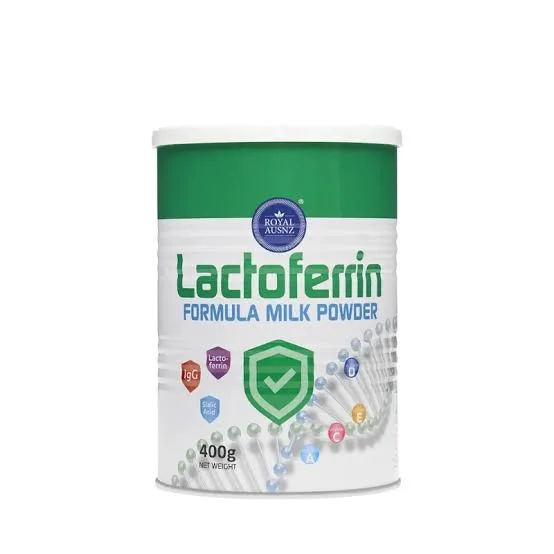
Choosing an infant formula can feel overwhelming, especially when parents start reading labels and come across ingredients they may not be familiar with. One ingredient that has received growing attention is Baby Lactoferrin.
Lactoferrin is a naturally occurring protein found in human milk and is included in some infant formulas. But why is it used, what role does it play, and what should parents consider before choosing a formula containing it? Let's take a closer look.
What Is Baby Lactoferrin?
Baby Lactoferrin refers to lactoferrin used in infant nutrition products. Lactoferrin is an iron-binding protein that naturally occurs in breast milk.
It has several biological functions and has been researched for its potential role in iron metabolism, immune function, and the digestive environment. Because of these characteristics, lactoferrin has become an ingredient of interest in the development of certain infant formulas.
However, lactoferrin is only one part of a baby's nutritional needs. A suitable infant formula needs to provide an appropriate balance of proteins, fats, carbohydrates, vitamins, minerals, and other essential nutrients.
Why Is Lactoferrin Added to Some Infant Formulas?
Breast milk naturally contains lactoferrin, so researchers have been interested in its potential nutritional role when developing infant formulas.
Some formulas include lactoferrin as part of their overall nutritional formulation. The aim is not simply to add one ingredient but to create a balanced product that meets the nutritional requirements of infants.
Parents should therefore look at the complete formula composition rather than judging a product solely by whether it contains lactoferrin.
Potential Role of Baby Lactoferrin
1. Iron Binding and Metabolism
Lactoferrin has a strong ability to bind iron. Iron is an important nutrient for babies and contributes to normal growth and development.
Lactoferrin's iron-binding properties are one of the main reasons it has attracted attention in infant nutrition research. However, it should not be considered a substitute for an iron supplement prescribed by a healthcare professional.
2. Immune Support
Lactoferrin naturally occurs in breast milk and is associated with various biological defense mechanisms. Researchers have studied its potential interactions with microorganisms and its role in supporting normal immune function.
It's important to keep expectations realistic: lactoferrin is a nutritional protein, not a treatment for infections or illnesses.
3. Digestive Health
The digestive system of an infant continues to develop throughout early life. Lactoferrin has been researched for its interactions with the intestinal environment and microorganisms.
This potential relationship with digestive health is another reason Baby Lactoferrin is included in some infant nutrition products.
Is Lactoferrin in Formula the Same as Lactoferrin in Breast Milk?
Not necessarily. While lactoferrin can be present in both breast milk and certain infant formulas, breast milk contains a complex mixture of nutrients and bioactive components.
Adding lactoferrin to formula does not make formula identical to human milk. Parents should view it as one component of a broader nutritional formulation.
Is Baby Lactoferrin Safe for Infants?
The safety of a lactoferrin-containing formula depends on the specific product, formulation, source, and the individual baby's needs. Lactoferrin has been studied in infant nutrition, but parents should still choose products carefully.
Do not add lactoferrin powder or other supplements to your baby's formula unless your pediatrician specifically recommends it. Modifying formula can alter its nutritional composition.
If your baby has allergies, feeding difficulties, digestive problems, or concerns about growth, consult a pediatrician before changing their formula.
How Should Parents Choose an Infant Formula?
When comparing formulas, don't focus on a single ingredient. Instead, consider the overall nutritional profile and whether the product is appropriate for your baby's age.
Parents should look at:
- Age-appropriate nutritional formulation
- Protein, carbohydrate, and fat sources
- Essential vitamins and minerals
- Ingredient quality and sourcing
- Clear preparation instructions
- Proper storage requirements
- Reliable manufacturing and quality standards
Always prepare formula according to the manufacturer's instructions. Using the wrong amount of water or powder can change the nutritional concentration.
Questions to Ask Before Choosing a Formula
If you're considering a formula containing Baby Lactoferrin, you may want to discuss the following with your healthcare professional:
- Is this formula appropriate for my baby's age?
- Does my baby have any specific nutritional requirements?
- Is there any reason my baby should avoid particular ingredients?
- Does my baby need additional iron or other nutrients?
- How should the formula be prepared and stored?
Getting personalized guidance can be especially helpful when your baby has specific feeding or nutritional needs.
Final Thoughts
Baby Lactoferrin is an interesting ingredient in infant nutrition because it naturally occurs in human milk and has functions related to iron binding and biological defense mechanisms. Its potential role in immune and digestive health has also made it a subject of ongoing nutritional research.
For parents, the most important thing is to consider the whole nutritional formulation, not just one ingredient. If you're considering a lactoferrin-containing infant formula, choose an age-appropriate product from a reputable manufacturer and speak with your pediatrician if you have questions about your baby's individual nutritional needs.
For parents exploring thoughtfully formulated infant nutrition, Royal AUSNZ offers products developed with a focus on quality ingredients and the nutritional needs of growing babies.