
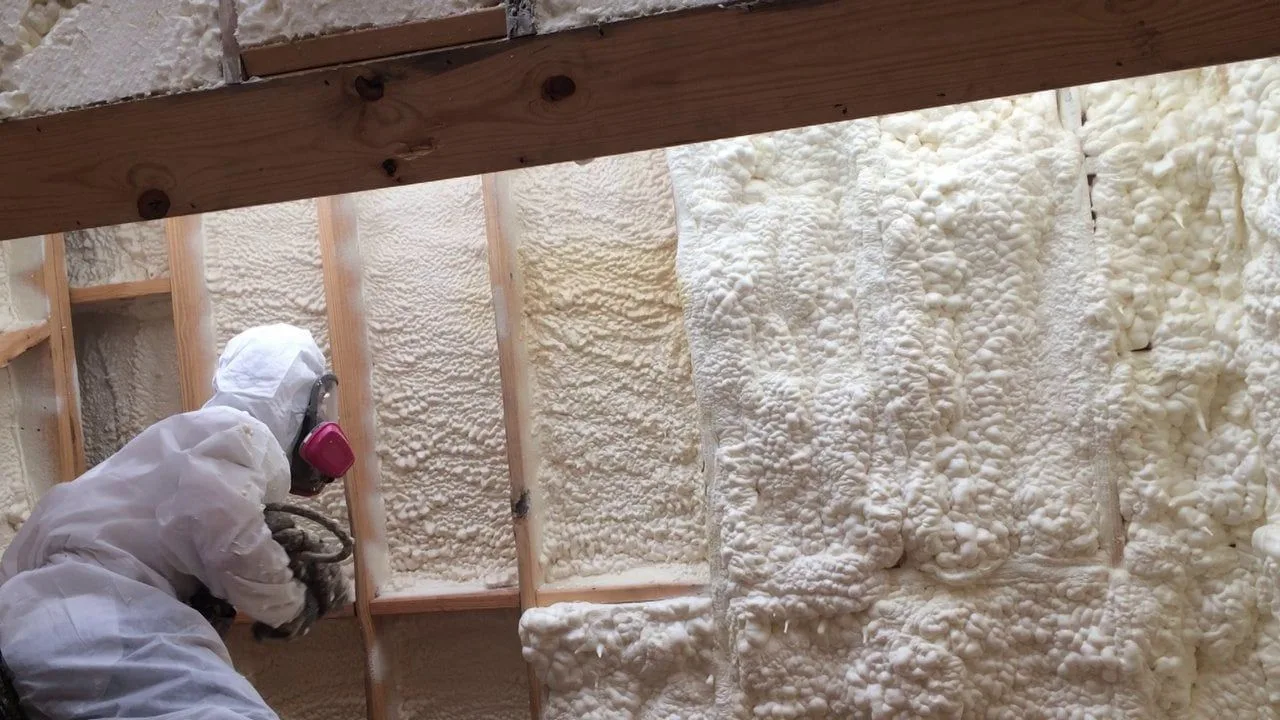
In the humid climate of Cary, North Carolina, choosing between basement insulation vs. crawl space insulation depends mostly on the foundation type and how much moisture enters the area from the red clay soil. For most homes in the Triangle area, crawl space insulation coupled with sealing offers effective protection against high humidity. This approach creates a dry environment that stops wood rot and improves indoor air quality.
This guide provides a detailed look at how different insulation methods stack up against local weather patterns. Understanding these options helps homeowners protect their property investment from the long-term effects of water damage. Industry professionals have observed that the right choice can reduce energy bills and stop mold growth before it starts.
How Basement Insulation vs. Crawl Space Insulation Differs for Local Homes
North Carolina is known for its high humidity and heavy summer rains. These factors put constant pressure on any part of a home that sits below or at ground level. When looking at basement insulation vs. crawl space insulation, people must first identify the source of the water. Basements often deal with hydrostatic pressure from the sides, while crawl spaces struggle with vapor rising from the earth.
Foundation insulation acts as the first line of defense for a home. In a basement, this usually involves foam boards or spray foam applied to the interior or exterior of the concrete walls. This helps keep the wall temperature consistent, which prevents condensation. In a crawl space, the goal is often to separate the home from the damp ground entirely.
Why Crawl Space Insulation Often Wins in North Carolina
Most houses in Cary are built on crawl spaces rather than full basements. This makes crawl space insulation a primary focus for local homeowners. When a crawl space is left uninsulated or uses old fiberglass batts, it becomes a breeding ground for pests and fungi. The fiberglass often absorbs moisture, becomes heavy, and falls away from the floor joists.
Effective moisture control solutions usually involve moving away from traditional vented systems. Modern standards suggest that closing the vents and insulating the crawl space walls is a better approach. This prevents the hot, wet Cary air from hitting the cool underside of a home. By keeping the humid air out, property owners naturally achieve a notable humidity reduction throughout the entire house.
Practical Benefits of Proper Basement Insulation
If a home has a full basement, the priority shifts toward making the space livable and dry. One of the main basement insulation benefits is the creation of a thermal break. Concrete is porous and holds cold temperatures. When warm air inside the basement hits a cold concrete wall, water droplets form. This leads to that "musty basement smell" many people recognize.
Applying insulation directly to the walls prevents this temperature clash. This is a major step in mold prevention because it removes the water source that mold needs to grow. It also makes the floor above much warmer during the rare but chilly North Carolina winter months.
Comparing Performance Metrics for Moisture Defense

Evaluating how these two areas perform when treated with professional insulation and sealing methods reveals distinct differences in moisture management.
FeatureCrawl Space PerformanceBasement PerformancePrimary Moisture SourceSoil Vapor and Vent AirWall Seepage and CondensationBest Insulation MaterialClosed-Cell Spray FoamRigid Foam Board or Spray FoamImpact on Air QualityHigh (Stops 50% of rising air)Moderate (Reduces musty odors)Ease of MaintenanceHigh (Once encapsulated)Moderate (Requires drainage check)Cost to InstallTypically LowerTypically Higher
Using Market Data to Guide Your Decision
Recent building science data shows that up to 50 percent of the air residents breathe on the first floor of a home originates in the crawl space or basement. This "stack effect" means that if there is mold or high humidity below, it will eventually end up in the living room. In Cary, where summer dew points often exceed 70 degrees, an uninsulated foundation is a liability.
Studies also indicate that homes with modern moisture control solutions installed can see a 15 percent to 20 percent reduction in heating and cooling costs. This is because the HVAC system does not have to work as hard to remove humidity from the air. High humidity makes air feel warmer than it actually is, leading residents to turn the AC down lower than necessary.
Bonus Tip 1: Check Your Gutters First. Before investing in basement insulation vs. crawl space insulation, ensure that gutters discharge at least six feet away from the foundation. Even the best insulation cannot overcome a pool of water sitting against the house.
Factors to Consider Before You Choose an Insulation Method
Before deciding on a path forward, look at the specific conditions of the property. Not every home in Cary has the same needs.
- Soil Composition: The red clay in North Carolina holds water longer than sandy soil. This creates constant dampness around the foundation.
- Existing Damage: If there is standing water or rotted wood, those issues must be repaired before adding any insulation.
- Future Use: Is the plan to finish the basement, or is the crawl space only used for storage and utilities?
- Budget: Crawl space work is often more affordable, but basement work can add more square footage to the usable home area.
Bonus Tip 2: Monitor Your Humidity. A simple hygrometer can track the humidity levels in the lower levels. If the reading stays above 60 percent, the insulation and sealing likely need improvement.
The Role of Professional-Grade Materials
When comparing basement insulation vs. crawl space insulation, the material used is just as important as the location. Many builders used to rely on fiberglass, but experts now know this is poor for moisture-prone areas. Closed-cell spray foam is frequently the preferred choice in North Carolina because it acts as both an insulator and a vapor barrier. For homeowners considering Basement Insulation in Cary, NC, this solution offers superior moisture resistance and long-term energy efficiency. It does not hold water, and it stays in place even if things get damp.
Using these materials ensures that foundation insulation remains effective for decades. It creates a tight seal that prevents air leakage, which is a major contributor to high energy bills. When the air stays out, the moisture stays out.
Regional Climate Challenges in Cary, NC
The Triangle area experiences a wide range of weather, from tropical storms to occasional freezes. This cycling causes building materials to expand and contract. Over time, small cracks can form in a foundation. Professional moisture control solutions account for these changes by using flexible and durable materials.
In Cary specifically, the high water table in certain neighborhoods makes the debate of basement insulation vs. crawl space insulation even more important. If a home sits in a low-lying area, a combination of interior insulation and a high-quality sump pump system may be necessary to keep the structure sound.
Find out how professional moisture control services protect your home in Cary
If there are concerns about dampness or high energy costs in a home, speaking with a specialist is the best next step. They can look at a specific foundation and recommend the right path. For residents in the Raleigh and Cary area, Raleigh Excel Spray Foam Insulation provides expert assessments and installation. They can be reached at (919) 301-9435 or via email at [email protected] to request a free quote and learn more about their services.
Final Thoughts on Choosing the Best Foundation Protection
Selecting the right method between basement insulation vs. crawl space insulation depends on the home design and specific moisture problems. For most Cary homeowners, focusing on the crawl space provides the quickest return on investment through better air quality and lower bills. However, a basement requires a different approach to handle condensation on concrete walls.
Always prioritize materials that do not absorb water and ensure that the chosen solution addresses both airflow and liquid water. Take the time to inspect the foundation annually for any signs of new moisture or shifting. By staying proactive, property owners can keep their homes dry, healthy, and energy-efficient for years to come.

Common Questions About Local Insulation and Moisture
Will new insulation get rid of the musty smell in my house?
Yes, usually the smell comes from mold or bacteria growing in damp areas. By using insulation to control moisture and humidity, the growth and the odors that come with it are stopped.
How long does it take to insulate a crawl space?
Most professional teams can complete a standard crawl space project in one to three days. This includes removing old materials, cleaning the area, and installing the new insulation.
Can I install basement insulation myself?
While some foam boards are easy to handle, achieving a perfect air seal is difficult without professional tools. Small gaps can still allow moisture to reach the walls and cause hidden mold.
Is spray foam safe for my family and pets?
When installed by professionals, spray foam cures quickly and becomes inert. Installers typically advise staying out of the home for a short period during the application to ensure total safety.
Does foundation insulation help with pest control?
Yes, by sealing the gaps and removing the damp environment that bugs love, the home becomes much less attractive to termites, ants, and spiders.