Puppies love to chew—it’s a natural behavior that helps them explore their environment, relieve teething discomfort, and stay mentally engaged. As a pet owner, choosing the right chew is essential to ensure safety and proper development. One popular option many owners consider is beefhide for puppies.
While beefhide chews can be beneficial, it’s important to understand how to use them safely and choose the right type for your puppy’s needs. This guide will walk you through everything you need to know.
Why Puppies Need Safe Chews
Chewing plays a crucial role in a puppy’s early life. During teething, puppies experience discomfort as their adult teeth grow in. Providing appropriate chews helps soothe their gums and prevents destructive behavior like chewing furniture or shoes.
Safe chewing also:
- Promotes dental health
- Reduces anxiety and boredom
- Encourages positive chewing habits
Choosing the right chew, such as properly selected beef dog chews, can support these benefits while keeping your puppy safe.
Beefhide for Puppies: What You Need to Know
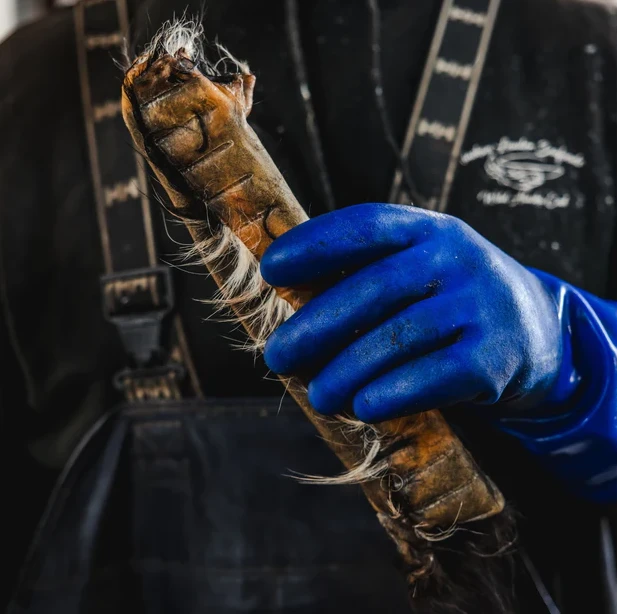
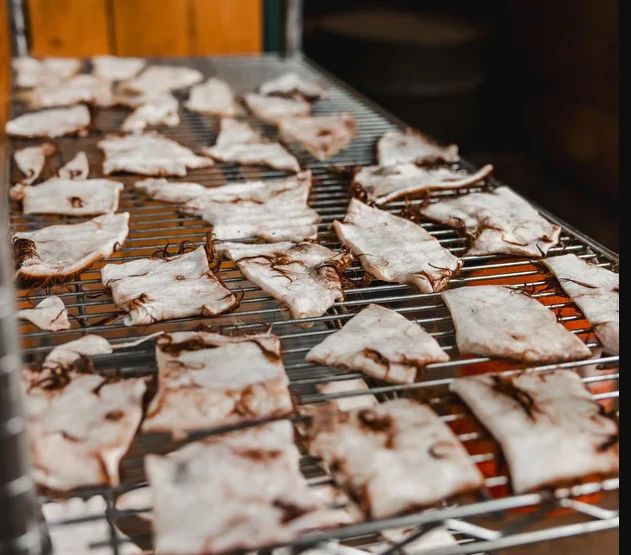
When discussing beefhide for puppies, it’s important to understand what beefhide actually is. It is derived from the inner layer of cow hide and processed into chewable forms.
Beefhide comes in different shapes and sizes, including:
- Beefhide bones
- Beef hide rolls
- Flat chew strips
These options are designed to provide long-lasting chewing experiences. However, not all beefhide products are suitable for young puppies, so careful selection is key.
Benefits of Beefhide Chews for Puppies
When used correctly, beefhide chews can offer several advantages:
Teething Relief
Chewing helps soothe sore gums and reduces discomfort during the teething phase.
Dental Support
Chewing action can help reduce plaque buildup and keep teeth cleaner.
Mental Stimulation
Chews keep puppies occupied and prevent boredom-related behaviors.
Long-Lasting Entertainment
Compared to softer treats, beefhide can last longer, making it a good option for active chewers.
Potential Risks to Consider
Although beefhide has benefits, there are also some risks that pet owners should be aware of:
Choking Hazard
If a piece becomes too small, it can be swallowed and cause choking.
Digestibility Issues
Some puppies may have difficulty digesting beef rawhide, especially if consumed in large amounts.
Hard Texture
Very hard chews may damage developing teeth if not chosen carefully.
Understanding these risks helps you make safer choices when selecting chews for your puppy.
How to Choose Safe Beefhide for Puppies
Not all beefhide products are the same. Follow these tips to ensure you select the safest option:
Choose the Right Size
Always pick a chew that is larger than your puppy’s mouth to prevent swallowing.
Look for Natural Options
Avoid products with artificial additives, colors, or preservatives.
Select Softer Variants
For puppies, choose softer and thinner chews that are easier on developing teeth.
Check Product Quality
Opt for high-quality products from trusted brands. For example, Ugly Chews offers natural chew options that focus on simplicity and safety.
Safe Chewing Tips for Puppies
Even with the right chew, proper supervision is essential. Here are some key safety tips:
Always Supervise
Never leave your puppy unattended while chewing.
Limit Chewing Time
Allow short chewing sessions to prevent overconsumption.
Replace Worn Chews
Discard chews that become too small or start breaking apart.
Provide Fresh Water
Ensure your puppy has access to water while chewing.
Alternatives to Beefhide
If you’re unsure about beefhide, there are alternative chew options available:
- Natural dried meat chews
- Soft dental chews
- Rubber chew toys designed for teething
Some pet owners combine these options with natural products from brands like Ugly Chews to create a balanced chewing routine.
When to Introduce Beefhide to Puppies
Timing matters when introducing new chews. Puppies can start chewing on appropriate treats once their teeth begin developing, but always choose products specifically designed for their age.
Start slowly and observe how your puppy reacts. If you notice any digestive issues or discomfort, discontinue use and consult a veterinarian.
Conclusion
Beefhide for puppies can be a useful tool for managing teething and promoting healthy chewing habits when chosen carefully. By selecting the right size, quality, and type of chew, you can reduce risks and ensure a positive experience for your puppy.
Always supervise chewing sessions and consider your puppy’s individual needs. With the right approach, beefhide chews can become a safe and enjoyable part of your puppy’s daily routine.
Frequently Asked Questions
Is beefhide safe for puppies?
Yes, beefhide can be safe when given in appropriate sizes and under supervision.
Can puppies digest beefhide easily?
Some puppies may have difficulty digesting it, so it should be given in moderation.
What type of beefhide is best for puppies?
Softer, thinner chews designed specifically for puppies are the best option.
How often should puppies have beefhide chews?
Limit chewing sessions and offer them occasionally as part of a balanced routine.