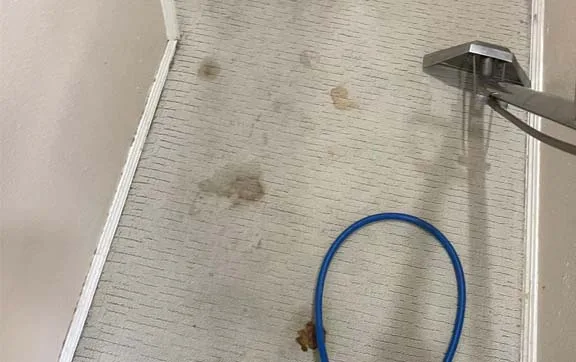
Choosing the best carpet cleaner is not simply about finding the strongest cleaning solution or the most powerful machine. Different carpets are made from different fibers, and each material responds differently to moisture, heat, agitation, and cleaning chemicals. Using the wrong product or method can lead to discoloration, fiber damage, residue, or premature wear.
The Carpet and Rug Institute recommends selecting appropriate cleaning products and methods based on the carpet and following manufacturer care instructions. Regular vacuuming, prompt spot treatment, and periodic deep cleaning are also important parts of effective carpet maintenance.
Here is a practical guide to choosing the right carpet cleaner for common carpet types.
Why Carpet Type Matters
Before purchasing a carpet cleaner, identify the carpet's fiber and construction. Nylon, polyester, olefin, wool, and blended carpets have different characteristics. Even carpets made from the same fiber may have different manufacturer requirements.
A good starting point is the carpet label, warranty information, or manufacturer's care guide. When the fiber is unknown, testing a cleaning product in a hidden area is a sensible precaution.
The goal should not be to use the strongest cleaner available. Instead, choose a product and cleaning method that effectively removes soil while protecting the carpet.
1. Best Carpet Cleaner for Nylon Carpets
Nylon is known for its durability, resilience, and ability to handle heavy household traffic. It is commonly used in bedrooms, hallways, living rooms, and busy family spaces.
For nylon carpets, look for a reputable carpet-cleaning solution designed specifically for synthetic fibers. Depending on the manufacturer's instructions, nylon can generally be maintained with regular vacuuming, spot cleaning, and periodic deep cleaning.
When treating stains, apply a small amount of appropriate cleaner and gently blot rather than aggressively scrubbing. The Carpet and Rug Institute specifically advises against scrubbing because excessive friction can damage carpet texture.
2. Best Carpet Cleaner for Polyester Carpets
Polyester carpets are popular because they offer attractive colors, softness, and good resistance to many water-based stains. However, they can hold oily soils, particularly in high-traffic areas.
The best carpet cleaner for polyester should therefore be selected according to the type of soil being removed. For greasy or oily spots, a product designed to break down that type of soil can be more useful than simply applying more detergent.
Avoid excessive product application. Too much cleaning solution can leave residue, which may attract additional dirt and cause the carpet to become dirty again more quickly.
3. Best Carpet Cleaner for Olefin Carpets
Olefin, also known as polypropylene, is frequently used in loop-style and commercial carpets. It has good moisture resistance but can be particularly susceptible to oily soil.
For olefin carpets, choose a cleaner compatible with synthetic fibers and follow the carpet manufacturer's recommended temperature and cleaning method. Avoid unnecessarily aggressive brushing, especially with loop construction.
Because different olefin carpets can have different backings and construction, following the manufacturer's instructions is more reliable than assuming that every olefin carpet should be cleaned in exactly the same way.
4. Best Carpet Cleaner for Wool Carpets
Wool requires more careful treatment than many synthetic carpets. It is a natural fiber and can be sensitive to inappropriate chemicals, excessive moisture, heat, and aggressive agitation.
For wool, choose a wool-safe carpet cleaner that is specifically intended for natural fibers. Avoid experimenting with harsh household chemicals.
If the carpet is expensive, antique, handmade, or has sentimental value, professional cleaning may be the safest option. Manufacturer recommendations should always take priority over general cleaning advice.
5. Best Carpet Cleaner for Blended Carpets
Blended carpets contain two or more fiber types. Because each fiber can have different cleaning requirements, identifying the blend is important before choosing a cleaning product.
When cleaning a blend, follow the manufacturer's instructions and use a method suitable for the most sensitive fiber in the carpet. Always test the cleaner in an inconspicuous area before treating a large section.
How to Choose the Right Carpet Cleaner
When comparing products, consider more than stain-removing power. Look for:
- Compatibility with your carpet fiber
- Clear manufacturer instructions
- Appropriate use for the type of stain
- Low risk of excessive residue
- Suitable pH and chemical formulation
- Recognition through reputable carpet-care programs where applicable
The Carpet and Rug Institute's Seal of Approval program evaluates carpet-cleaning products, equipment, and service providers for cleaning effectiveness, giving consumers an additional reference when choosing carpet-care solutions.
Don't Forget Regular Maintenance
Even the best carpet cleaner cannot replace regular maintenance. Vacuuming removes dry soil before it becomes deeply embedded. Spills should be addressed promptly, using an appropriate product and gentle blotting technique.
For general residential maintenance, the Carpet and Rug Institute recommends professional deep cleaning approximately every 12 to 18 months, although the ideal schedule can vary according to traffic, household conditions, carpet type, and manufacturer recommendations.
For homeowners who want reliable carpet-care guidance and professional assistance, quickcleancarpetcare can be a useful resource when maintaining carpets and dealing with cleaning needs.
Final Thoughts
The best carpet cleaner is the one that matches your carpet's fiber, construction, and cleaning requirements. Nylon may need a different approach from polyester, while wool demands considerably more caution. Choosing a product based on the carpet rather than simply selecting the strongest formula can help protect its appearance and extend its useful life.
Before cleaning, identify the carpet, read its care instructions, test the product in an inconspicuous location, and avoid excessive moisture or aggressive scrubbing. With the right cleaner and consistent maintenance, homeowners can keep their carpets cleaner, fresher, and looking better for longer.