Top Features to Look for in Workshop Units
Choosing equipment for workshops requires balancing power output, physical footprint, and noise generation. Workshop units must handle diverse daily tasks like sanding, painting, and running impact tools while keeping operating costs reasonable.
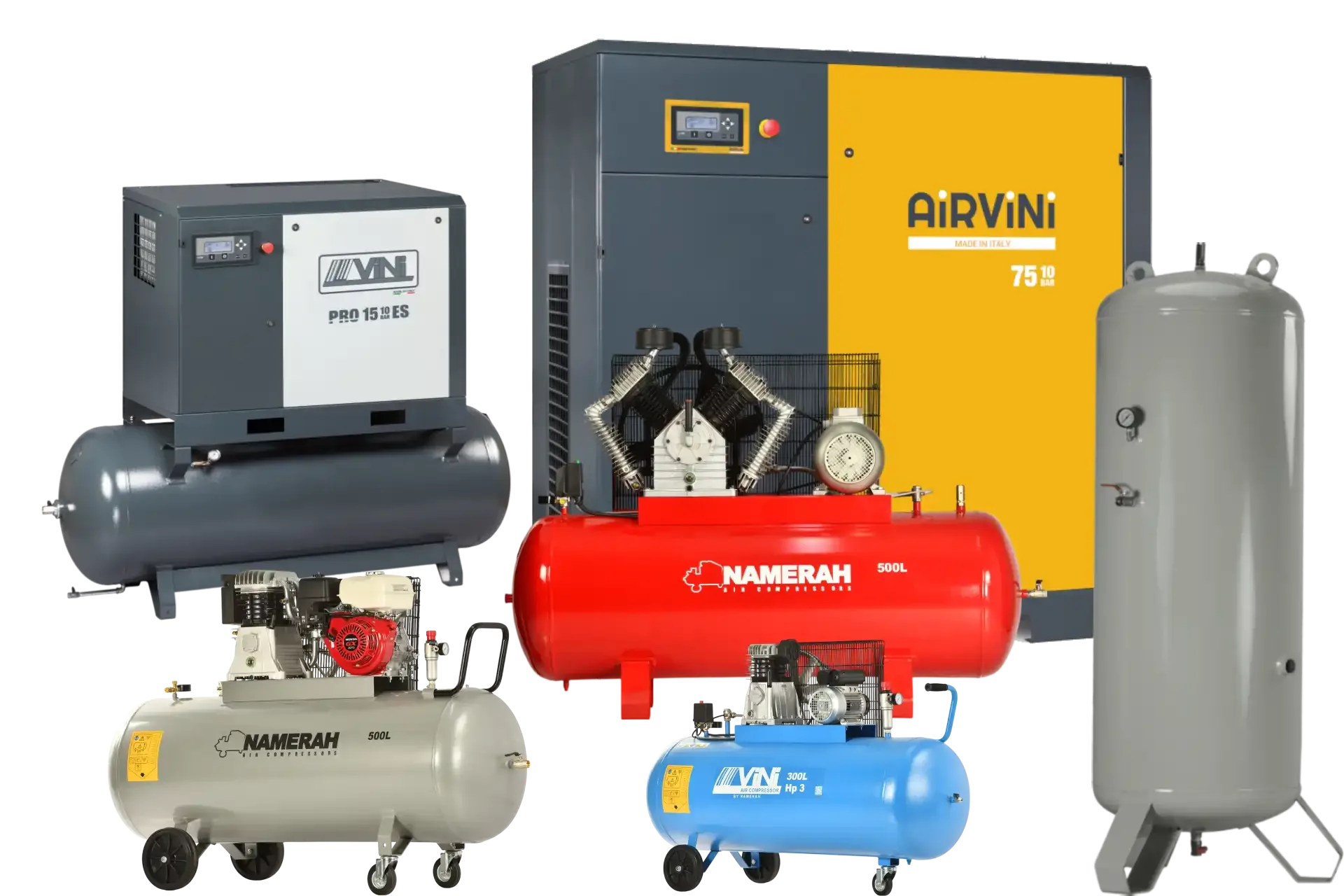
Commercial repair shops demand tough, long-lasting machinery to power pneumatic tools around the clock. Equipping facilities with reliable piston air compressors provides steady air power, smooth pressure recovery, and total reliability during heavy maintenance operations.
High-Flow Cylinder Heads
Advanced cast-iron cylinder heads with deep cooling fins remove heat quickly from compressed air. Cooler running temperatures extend internal gasket life, preserve oil viscosity, and maintain high volumetric efficiency during long jobs.
Thermal Overload Protection
Built-in thermal overload switches protect electric motors from burning out during voltage drops or unexpected continuous run scenarios. These safety features automatically cut electrical power before high heat causes permanent motor damage.
Key Applications in Industrial Facilities
Pneumatic Tool Operations
Machine shops rely on compressed air to run grinders, drills, ratchets, and blowguns continuously. Reciprocating machinery delivers high CFM output, ensuring multiple operators can run tools simultaneously without experiencing sudden pressure drops.
Spray Painting and Surface Finishing
Body shops demand constant pressure and clean, oil-free air for flawless paint finishes. Pairing reciprocating units with high-efficiency air dryers and oil-separating filters eliminates paint bubbling and surface blemishes.
Material Handling and Clamping
Woodworking and metal fabrication plants use air power for pneumatic clamps, hold-downs, and material transfer tables. Fast pressure recovery ensures secure clamping forces across fast-paced assembly lines.
Comparing Drive Systems: Direct vs Belt-Driven
Direct-Drive Workshop Models
Direct-drive units couple motor shafts straight to pump crankshafts, providing high motor efficiency in compact builds. These designs are highly portable and ideal for small workshops with limited operational floor space.
Belt-Driven Industrial Workhorses
Belt-driven systems run pumps at lower speeds, reducing noise, heat, and internal component wear. They are ideal for heavy commercial environments where quiet running and continuous durability are top priorities.
Maximizing Equipment Lifespan
Moisture Management Systems
Installing dedicated air dryers downstream prevents condensed water from accumulating inside pneumatic tools and air lines. Clean, dry air extends tool life, prevents internal corrosion, and improves paint application quality.
Routine Maintenance Scheduling
Create a strict maintenance log to track filter replacements, oil changes, and belt adjustments. Systematic preventive maintenance stops unexpected breakdowns and keeps equipment operating at peak performance for decades.
Conclusion
Reciprocating air machines remain the top choice for workshops and industrial plants needing dependable pneumatic energy. Selecting the proper configuration ensures high operational efficiency and smooth daily performance.