A well-protected roof is essential for maintaining the structural integrity and longevity of any building. Exposure to rain, heat, snow, and environmental pollutants can gradually weaken roofing systems, leading to leaks and costly repairs. Choosing the right waterproofing method ensures long-term durability, energy efficiency, and peace of mind. Below is a professional overview of the most effective roof waterproofing methods used in modern construction.
1. Bituminous Membrane Waterproofing
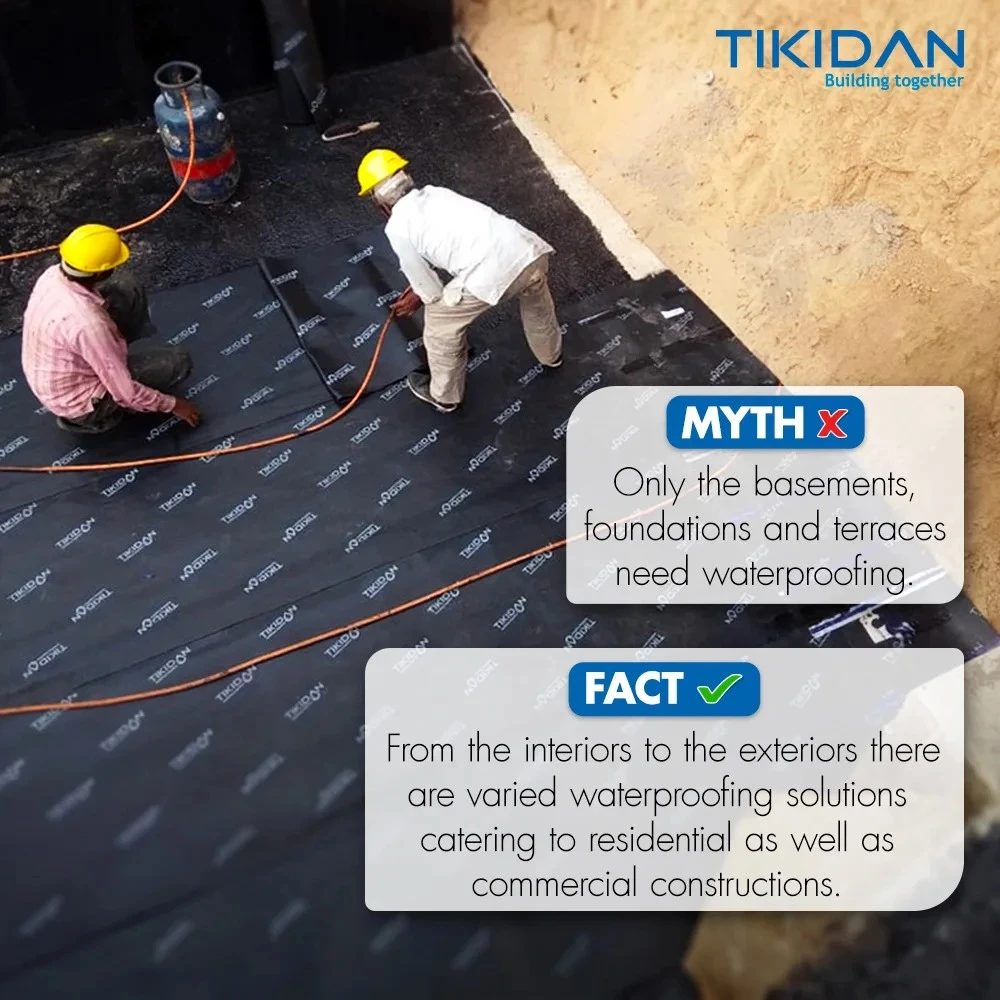
Bituminous membranes method uses asphalt-based sheets that are either torch-applied or self-adhesive. It is widely used for flat roofs due to its durability and strong resistance to water penetration.
2. Liquid Waterproofing Membrane
A liquid-applied coating forms a seamless, rubber-like membrane after curing. It is highly flexible and suitable for roofs with complex shapes or multiple joints, offering excellent crack-bridging properties.
3. Synthetic Membrane Waterproofing
Tikidan’s preformed membrane waterproofing solution offers a reliable and high-performance barrier against water ingress. It includes advanced materials such as HDPE, PVC, and TPO membranes, each designed to deliver superior durability and flexibility. These systems ensure long-lasting protection for roofs and structures across varying environmental conditions.
4. Cementitious Waterproofing
This is one of the simplest and most commonly used waterproofing techniques. It involves applying a cement-based coating that creates a rigid, water-resistant barrier. Ideal for internal wet areas and flat roofs, it is easy to apply but lacks flexibility.
5. Polyurethane Waterproofing
Polyurethane coatings offer excellent flexibility and UV resistance. They are ideal for exposed roofs and areas prone to weather fluctuations, although they require careful surface preparation.
7. PVC Waterproofing Membrane
Polyvinyl Chloride (PVC) membranes are heat-welded to form watertight seams. They are resistant to chemicals, fire, and UV radiation, making them suitable for industrial and commercial buildings.
8. TPO Roofing Membrane
Thermoplastic Polyolefin (TPO) membranes combine durability with energy efficiency. Their reflective surface reduces heat absorption, making them ideal for warm climates.
9. Acrylic Waterproofing Coating
Acrylic coatings are water-based and environmentally friendly. They provide UV resistance and are commonly used to extend the life of existing roofs.
10. Silicone Roof Coating
Silicone coatings offer superior resistance to ponding water and extreme weather conditions. They maintain flexibility over time and are ideal for regions with heavy rainfall.
11. Green Roof Waterproofing System
Green roofs incorporate vegetation layers along with specialized waterproof membranes. They provide insulation, reduce urban heat, and enhance sustainability.
12. Spray Applied Waterproofing
Tikidan’s maximum performance waterproofing membrane — DANOCOAT is best suited for the most demanding waterproofing, protection, and sealing jobs in construction.
13. Remedial Waterproofing
Tikidan’s waterproofing admixture is an ideal solution for making concrete and mortar cohesive and preventing segregation.
Selecting the right waterproofing method depends on factors such as roof type, climate conditions, budget, and long-term maintenance requirements. A professionally applied waterproofing system not only prevents leaks but also significantly extends the lifespan of your building. Investing in the right solution today can save substantial repair costs in the future.
Contact Tikidan’s waterproofing experts today to get reliable, long-lasting protection for your roof and structure.