
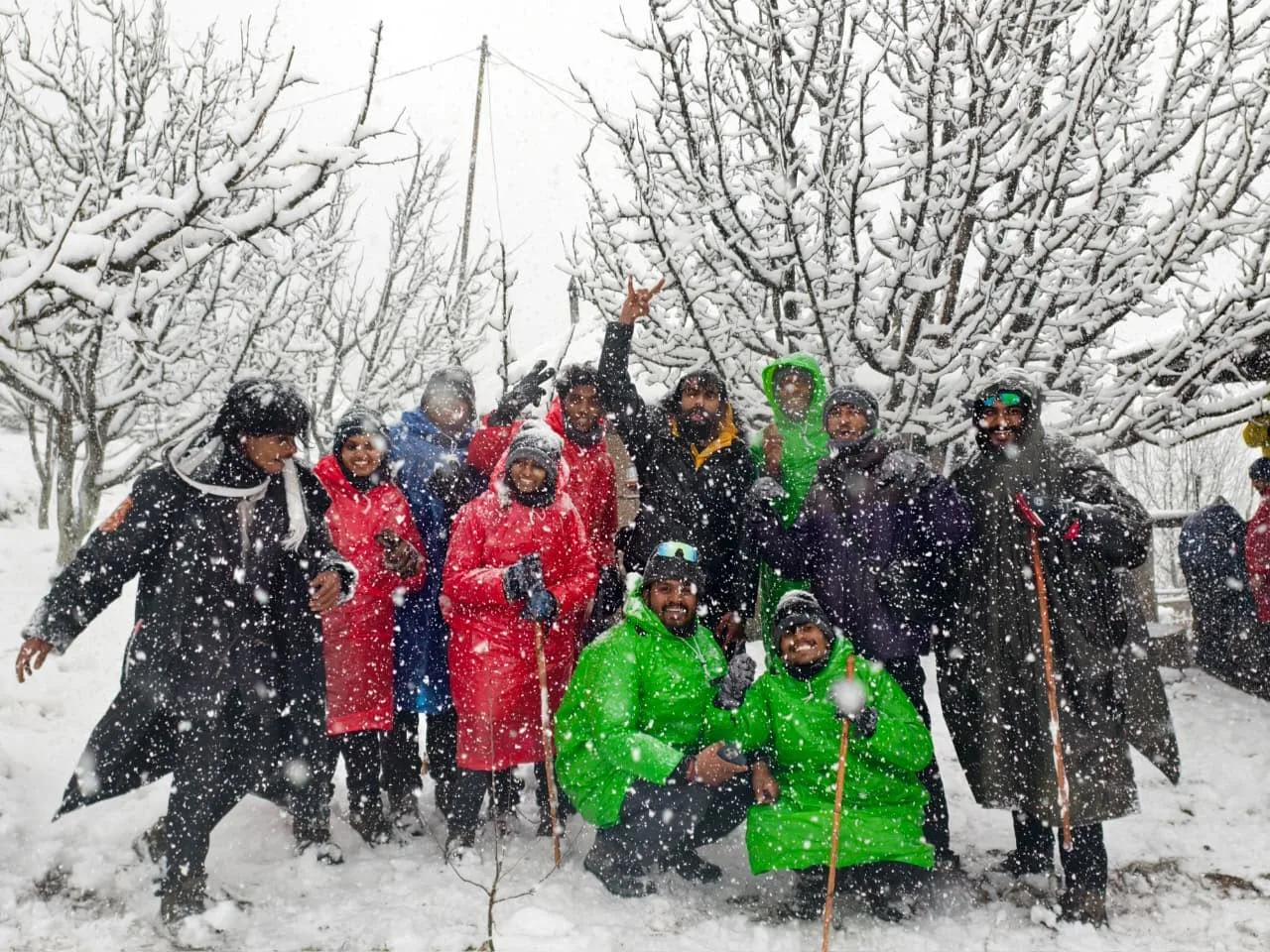
The Kedarkantha Trek is one of the most beautiful winter trekking experiences in Uttarakhand. Surrounded by dense pine forests, snow-covered trails, peaceful campsites, and breathtaking Himalayan peaks, this trek attracts adventure lovers from across India. Located in the Garhwal Himalayas, Kedarkantha stands at an altitude of approximately 12,500 feet and offers stunning mountain views from its summit.
One of the most common questions among trekkers is about the best time for Kedarkantha Trek to experience snowfall and enjoy clear mountain views. Although the trek can be done during different months, December, January, and February are generally popular for winter scenery and snowfall, while March and April offer comparatively pleasant weather and beautiful spring landscapes.
In this blog, we will explore the best months for the Kedarkantha Trek, snowfall conditions, weather, and what makes each season special.
Best Time for Kedarkantha Trek
The best time for the Kedarkantha Trek depends on the experience you are looking for. If you want to enjoy snow-covered forests and winter camping, December to February is generally the preferred period. If you prefer comfortable daytime temperatures and clearer trekking trails, March and April can be good options.
Here is a month-wise overview:
MonthWeather and ExperienceDecemberBeginning of winter with chances of snowfallJanuaryPopular for snowy trails and winter landscapesFebruaryBeautiful winter scenery and possible snowfallMarchComparatively pleasant weather with snow at higher elevationsAprilSpring scenery, clearer trails, and blooming flowersSnowfall and trail conditions vary every year, so it is always advisable to check the latest weather forecast before planning your trek.
1. Kedarkantha Trek in December: Beginning of the Snow Season
December marks the beginning of the winter trekking season in Kedarkantha. Temperatures start dropping, and the region may receive its first significant snowfall during this month.
The forests gradually transform into beautiful winter landscapes, and trekkers may get an opportunity to walk on fresh snow-covered trails. December is a good choice for those who want to experience the beginning of winter in the Himalayas.
What makes December special?
- Chances of experiencing fresh snowfall.
- Beautiful winter landscapes and mountain views.
- Cold weather and peaceful mountain surroundings.
- A wonderful opportunity for winter camping.
2. Kedarkantha Trek in January: Best for a Snowy Experience
January is one of the most popular months for the Kedarkantha Trek, especially among people who want to experience snow in the Himalayas.
During this month, the region often experiences very cold temperatures, and snow may cover the trekking trails, campsites, and surrounding forests. The white landscape creates a beautiful atmosphere for trekking and photography.
The summit climb during January can be challenging because of snow and freezing temperatures, but reaching the top and witnessing the Himalayan sunrise makes the experience memorable.
What makes January special?
- Good chances of snow-covered trekking trails.
- Beautiful white landscapes and winter campsites.
- Stunning views of surrounding Himalayan peaks.
- A memorable winter trekking experience.
3. Kedarkantha Trek in February: Enjoy Winter Mountain Views
February is another excellent month to explore Kedarkantha. The region may still have snow-covered forests and mountain trails, offering beautiful views throughout the journey.
Although temperatures remain cold, daytime conditions can sometimes be comparatively comfortable than in the peak winter weeks. Trekkers can enjoy the beauty of snowy landscapes, peaceful campsites, and panoramic mountain views.
February is a great option for adventure enthusiasts who want to experience winter trekking in Uttarakhand.
What makes February special?
- Possibility of fresh snowfall.
- Snow-covered mountain landscapes.
- Beautiful photography opportunities.
- Excellent views from the Kedarkantha summit.
4. Kedarkantha Trek in March: A Mix of Winter and Spring
March brings gradual changes in weather conditions. The daytime temperature becomes comparatively pleasant, while nights can still be cold, especially at higher campsites.
Snow may remain on the upper sections of the trail and around the summit, depending on the winter snowfall. Lower forest trails gradually begin to lose their snow cover.
March is a good option for trekkers who want to enjoy a combination of winter scenery and more comfortable daytime trekking conditions.
What makes March special?
- Comparatively pleasant daytime weather.
- Possible snow at higher elevations.
- Beautiful mountain and valley views.
- Gradual transition from winter to spring.
5. Kedarkantha Trek in April: Enjoy Spring and Clear Mountain Views
April is generally considered a spring trekking month in Kedarkantha. The weather becomes warmer, and many lower-altitude trails become clearer as the winter snow melts.
During this period, trekkers can enjoy beautiful forest landscapes, blooming rhododendrons, and clear views of the surrounding Himalayan ranges. Some snow patches may remain at higher elevations, depending on weather conditions.
April is suitable for people who prefer pleasant daytime weather and colourful mountain scenery rather than a complete snow-covered winter landscape.
What makes April special?
- Comparatively warmer daytime temperatures.
- Beautiful spring landscapes.
- Blooming rhododendron forests.
- Clear mountain and valley views.
Which Month Is Best for Snowfall in Kedarkantha?
If your main reason for choosing the Kedarkantha Trek is to experience snowfall, December, January, and February are generally the best months to consider.
January is particularly popular among snow lovers because the region often has winter snow on the trails and around the campsites. December offers the excitement of early winter snowfall, while February can provide beautiful snowy landscapes and mountain views.
However, snowfall cannot be guaranteed for any specific trekking date. It depends on annual weather patterns, temperature, and local conditions.
Best Time for Clear Mountain Views During Kedarkantha Trek
Apart from snowfall, Kedarkantha is famous for its breathtaking Himalayan views. The summit offers panoramic views of several surrounding peaks, including Swargarohini, Bandarpoonch, and Black Peak.
For trekkers who prefer comparatively comfortable daytime weather and clear trekking conditions, March and April can be good options. Winter months can also offer spectacular views when the sky is clear.
Mountain visibility depends on weather conditions, cloud cover, and snowfall. Therefore, no particular month guarantees clear views every day.
Kedarkantha Trek Weather and Temperature
The weather in Kedarkantha changes significantly with altitude and season. During winter, temperatures can fall below freezing, particularly at night and near the summit.
A general seasonal overview is:
- December: Cold days and freezing nights, with chances of snowfall.
- January: Very cold weather, especially at campsites and the summit.
- February: Cold winter conditions with possible snowfall.
- March: Comparatively pleasant days and cold nights.
- April: Milder daytime weather and cooler nights.
Trekkers should carry proper winter clothing, waterproof layers, gloves, warm socks, and suitable trekking shoes. Weather conditions can change quickly in the mountains, so preparation is important.
What Makes the Kedarkantha Trek Special?
The Kedarkantha Trek is not just about snowfall or reaching the summit. The entire journey offers several memorable experiences.
1. Beautiful Pine Forests
The trekking route passes through dense pine and oak forests. During winter, these forests may become covered with snow, creating a beautiful white landscape.
2. Scenic Juda Ka Talab
Juda Ka Talab is one of the most popular attractions on the route. Surrounded by trees and mountain scenery, this beautiful lake offers a peaceful camping experience. During winter, the lake may freeze due to extremely low temperatures.
3. Beautiful Mountain Campsites
Camping in the Himalayas is one of the biggest highlights of the Kedarkantha Trek. The campsites offer beautiful natural surroundings, fresh mountain air, and stunning views of the surrounding landscape.
4. Kedarkantha Summit Views
The summit stands at approximately 12,500 feet (3,810 metres). Reaching the top offers panoramic views of the surrounding Himalayan mountain ranges and is one of the most rewarding moments of the trek.
5. Sunrise Experience
The early morning summit climb gives trekkers an opportunity to witness a beautiful Himalayan sunrise. Watching golden sunlight fall on the surrounding mountain peaks is an unforgettable experience.
How to Reach Kedarkantha Trek?
The Kedarkantha Trek generally starts from Sankri village in Uttarkashi district of Uttarakhand.
By Road: Trekkers usually travel from Dehradun to Sankri, covering approximately 190–200 km. The journey generally takes around 8–10 hours, depending on road and weather conditions.
By Train: Dehradun Railway Station is the nearest major railway station for most trekkers travelling by train.
By Air: Jolly Grant Airport in Dehradun is the nearest major airport. From there, you can continue your journey towards Sankri by road.
After reaching Sankri, the trekking route generally follows:
Sankri → Juda Ka Talab → Kedarkantha Base Camp → Kedarkantha Summit → Hargaon → Sankri
The complete trekking distance is approximately 20–24 km, depending on the route and campsite arrangements.
Kedarkantha Trek Package with Trekmount
If you are planning to experience snowfall, beautiful campsites, and breathtaking Himalayan views, Trekmount can help you organise your Kedarkantha trekking adventure.
Our Kedarkantha Trek Package is designed for beginners and adventure enthusiasts who want to explore the mountains with proper guidance and trekking arrangements. Depending on the selected package, the arrangements include experienced trek leaders, camping facilities, meals, and support throughout the journey.
Whether you are planning your trek in December, January, February, or spring, Trekmount aims to make your Himalayan adventure comfortable, enjoyable, and memorable.
Conclusion
The best time for the Kedarkantha Trek depends on the kind of mountain experience you want. December, January, and February are generally popular for snowfall and beautiful winter landscapes, while March and April offer comparatively pleasant weather, clearer trails, and scenic spring views.
If you want to experience a snowy Himalayan adventure, winter is a wonderful time to plan your journey. However, always check the latest weather and trail conditions before departure.
Plan your Kedarkantha Trek with Trekmount and get ready to explore beautiful pine forests, peaceful campsites, snow-covered trails, and breathtaking Himalayan mountain views.