The concluding chime of the school day marks a profound environmental transition for primary school students. For six hours, children operate within tightly regulated instructional spaces where adult-led directives govern conversation, posture, task focus, and peer collaboration. While formal academic environments are indispensable for cognitive instruction, they offer limited scope for spontaneous social negotiation, self-directed imaginative exploration, and organic interpersonal problem-solving.
When the afternoon bell sounds, children require a carefully balanced setting that facilitates emotional decompression without descending into unstructured domestic chaos. For modern working parents across Auckland, the hours between three o'clock and six o'clock represent a significant logistical puzzle. However, progressive child development experts increasingly recognize that high-calibre out-of-school care represents far more than a convenient waiting room for working households; it serves as a vital developmental arena for social intelligence and emotional resilience.
The Developmental Mechanics of Semi-Structured Play Environments
Child psychology distinguishes clearly between adult-dominated instruction and semi-structured recreational play. In fully structured classroom settings, teachers actively mediate conflicts, dictate conversational turn-taking, and structure every collaborative effort. Conversely, entirely unstructured environments, such as unmonitored home television viewing, offer zero interpersonal friction or social practice.
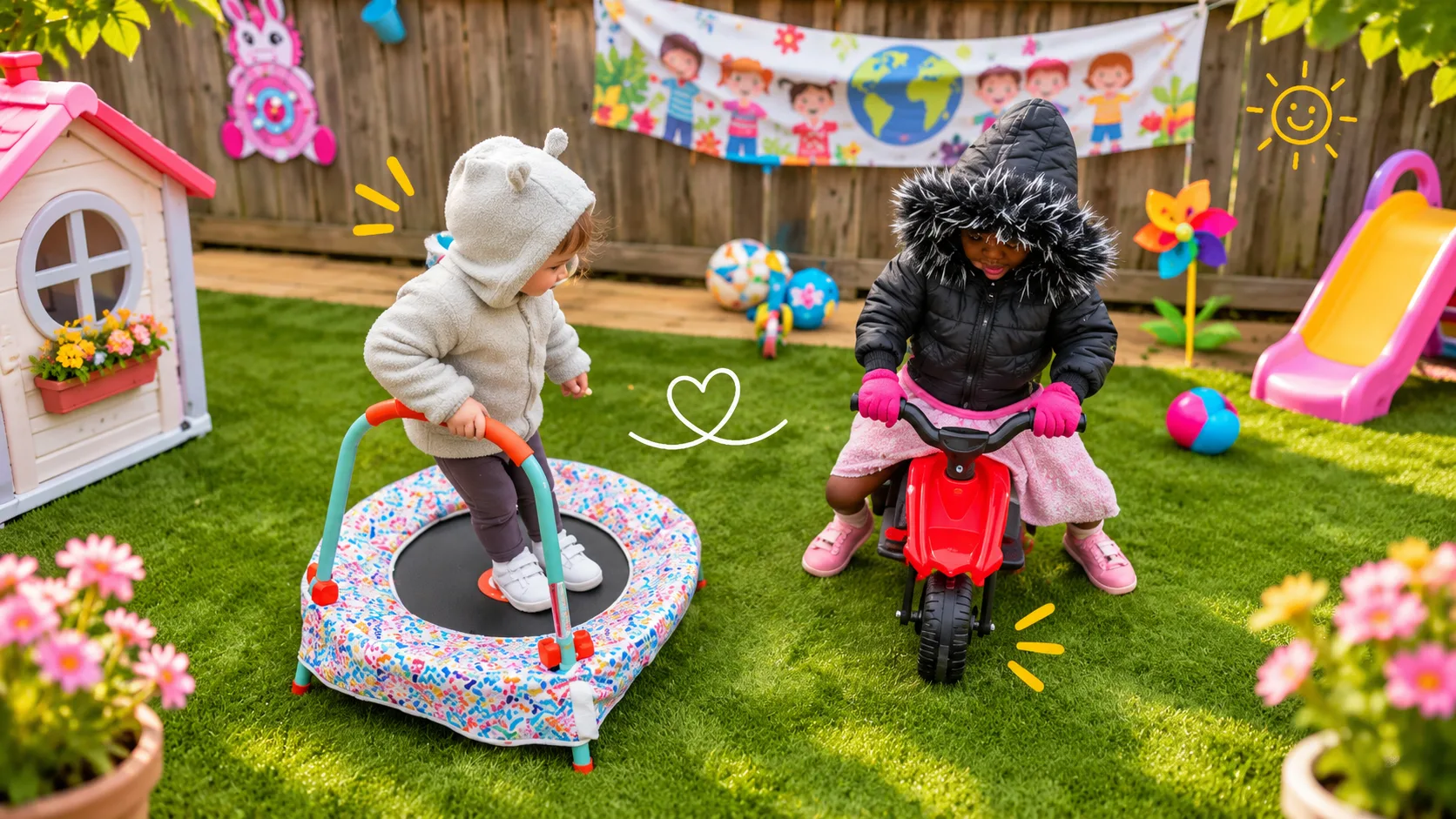
Enrolling children in dedicated Afterschool Programmes creates a thriving middle ground that optimises social development. Under the unobtrusive observation of trained childcare practitioners, children choose their own activities, form fluid multi-age play groups, and negotiate collective rules for games. Whether establishing the parameters of an elaborate outdoor obstacle course or sharing limited crafting materials during an art project, children encounter natural interpersonal friction that requires diplomacy and compromise.
These everyday social encounters teach children essential conflict resolution strategies that cannot be acquired from textbooks. When minor disagreements arise over game boundaries or toy distribution, skilled supervisors refrain from rushing in with immediate top-down solutions. Instead, practitioners coach children through expressing their perspectives, listening empathetically to peers, and finding mutually agreeable solutions. This guided autonomy instills genuine confidence, emotional maturity, and social adaptability.
Fostering Multi-Age Peer Dynamics and Empathetic Leadership
Modern educational structures organize children into rigid, age-segregated classroom cohorts. While age-based grouping facilitates standardized academic instruction, it limits opportunities for cross-age socialization that historically occurred within larger family and community networks. Segregated grouping can inadvertently heighten peer competition and limit the development of caregiving instincts.
A well-rounded afternoon care environment intentionally unites children spanning diverse year levels within a cohesive community club atmosphere. Older primary students frequently step into informal mentorship roles, assisting younger peers with tying shoelaces, reading storybooks, or understanding game mechanics. This cross-age dynamic fosters profound empathy, patience, and leadership qualities in older children, reinforcing their own sense of community responsibility.
Simultaneously, younger children benefit immensely from observing positive behavioural models among senior peers. They absorb complex cooperative play conventions, elevate their conversational vocabularies, and feel protected within a supportive peer network that extends into the regular schoolyard. This interconnected social structure creates a reassuring sense of belonging that diminishes playground bullying and elevates school-wide camaraderie.
Alleviating Parental Guilt Through Holistic Childcare Provision
For working parents managing challenging professional schedules, securing evening childcare is frequently accompanied by a heavy emotional burden of guilt. Parents worry that extended hours away from home deprive children of relaxed family time or cause fatigue. Furthermore, arriving home exhausted only to engage in battles over incomplete homework and dinner preparations strains domestic harmony.
Partnering with accredited Before And After School Care Auckland providers fundamentally transforms this domestic dynamic. Professional programmes deliberately integrate dedicated homework support and quiet reading periods into the afternoon schedule. Qualified staff provide patient academic encouragement, ensuring that spelling lists, reading logs, and basic mathematics worksheets are completed before collection time.
When parents collect children, academic obligations have already been fulfilled, physical energy has been healthily expended through supervised sports, and children have enjoyed nutritious snacks. Families return home to enjoy restorative, peaceful evenings unencumbered by homework tension. This professional support structure preserves parental wellbeing while ensuring that children receive rich, balanced developmental care throughout their crucial afternoon hours.
Designing Engaging Thematic Curriculums That Spark Curiosity
Exceptional out-of-school programmes reject generic, passive childcare models in favour of dynamic, child-centred curriculums that actively stimulate youthful enthusiasm. Children expend considerable mental discipline during the school day, meaning afternoon activities must feel exciting, collaborative, and entirely voluntary. The most effective programmes organize weekly schedules around captivating themes that unite science, culinary arts, physical sport, and creative drama.
For example, a science-themed week might invite children to construct miniature water rockets or concoct non-toxic sensory slime, transforming abstract physics concepts into thrilling tactile discoveries. Culinary afternoons introduce fundamental kitchen safety and basic nutritional awareness as children assemble fresh fruit skewers or blend healthy fruit smoothies. These varied experiences broaden the practical horizons of children while nurturing a diverse array of personal passions outside standard school curricula.
Moreover, active physical play remains central to the afternoon rhythm. High-energy group games such as capture-the-flag, cooperative dodgeball, and non-contact tag encourage gross motor coordination, cardiovascular health, and team solidarity. Children burn off accumulated classroom tension in a safe, celebratory setting that values enthusiasm and participation over athletic perfection.
Conclusion
The hours following the school day possess extraordinary developmental potential when supported by dedicated childcare professionals. By establishing a balanced environment characterized by guided social negotiation, cross-age mentorship, homework assistance, and imaginative thematic exploration, after-school care enriches the modern childhood experience. Choosing an accredited out-of-school programme provides working parents with dependable reassurance while empowering children with the emotional resilience and interpersonal confidence needed to flourish throughout life.