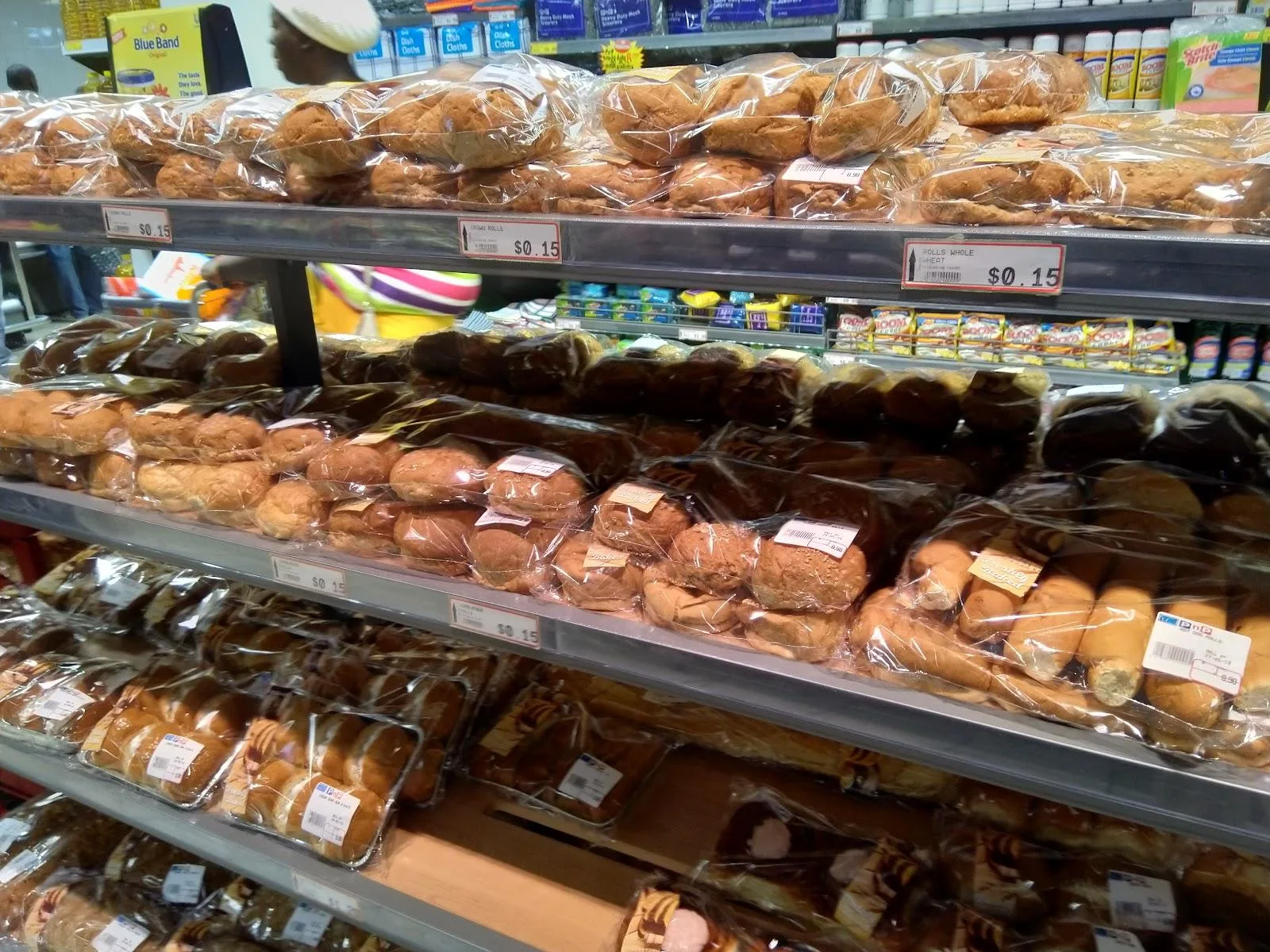
Market Outlook
The bread and roll market is entering a period of continued transformation as consumers increasingly look beyond basic taste, convenience, and affordability. Bread remains a staple food in many regions, but changing dietary preferences are encouraging manufacturers to develop products that combine familiar eating experiences with improved nutritional profiles. Demand is expanding for multigrain, high-fibre, vitamin- and mineral-rich, reduced-fat, and other better-for-you bread and roll varieties.
The market outlook is also being shaped by urbanization, changing lifestyles, growth in foodservice, premiumization, and product innovation. Consumers with busy schedules continue to rely on convenient bakery products, while health-conscious shoppers increasingly examine ingredients, nutritional content, portion sizes, and processing methods before purchasing. This combination creates opportunities for manufacturers to offer products that satisfy both convenience and wellness expectations.
Growing Demand for Health-Oriented Bakery Products
Health and nutrition are becoming central factors influencing bread and roll purchasing decisions. Traditional white bread continues to have strong demand, but consumers are increasingly exploring alternatives containing whole grains, seeds, fibre, proteins, and functional ingredients.
Multigrain and whole-grain products are gaining attention because they are perceived as more nutritious and suitable for balanced diets. High-fibre bread is particularly attractive to consumers interested in digestive wellness and satiety. Products formulated with vitamins and minerals can also appeal to shoppers seeking additional nutritional value from everyday foods.
This shift is encouraging manufacturers to reformulate existing products and introduce new varieties. The future of the bread and roll market is therefore expected to involve greater emphasis on nutritional transparency, recognizable ingredients, and products positioned around specific wellness benefits.
Innovation Expanding Product Opportunities
Product innovation is likely to remain one of the strongest contributors to market development. Bakery companies are experimenting with shapes, textures, flavors, ingredients, and production techniques to differentiate their offerings in crowded retail and foodservice environments.
An example is the October 2023 launch by Thomas' from Bimbo Bakeries of croissant bread, which combines the flaky layers associated with a croissant with the loaf format of bread. Such innovations demonstrate how manufacturers can create new consumption experiences by combining established bakery categories.
These hybrid products can expand consumer interest and create additional market segments. As competition increases, companies are expected to continue developing products that bridge categories, introduce novel textures, and provide greater variety without sacrificing convenience.
Premiumization and Specialty Bread
Premium bakery products are expected to create attractive opportunities within the bread and roll market. Consumers are increasingly willing to pay more for products associated with higher-quality ingredients, artisanal production, distinctive flavors, specialty grains, or unique preparation methods.
Sourdough, seeded bread, artisan rolls, brioche-style products, specialty buns, and other differentiated offerings can benefit from this trend. Premium products also provide manufacturers with opportunities to increase value per unit rather than competing exclusively on volume.
At the same time, premiumization does not eliminate demand for affordable everyday bread. Instead, the market is likely to become increasingly segmented, with consumers purchasing economical staples for routine consumption while occasionally choosing premium products for specific occasions.
Convenience Remains a Major Market Driver
Convenience will continue to influence purchasing behavior. Bread and rolls require little preparation and can be consumed across breakfast, lunch, dinner, and snack occasions. Their versatility makes them particularly suitable for households seeking quick meal solutions.
Packaged sliced bread, burger buns, sandwich rolls, wraps, and ready-to-use bakery products are benefiting from the growing preference for convenient meal preparation. Smaller household sizes and busy working lifestyles can further support demand for appropriately portioned and easy-to-store products.
Manufacturers are responding through packaging improvements, resealable formats, extended freshness, and single-serving options. Convenience is therefore likely to remain important even as consumers place greater emphasis on health and sustainability.
Sustainability and Responsible Production
Environmental considerations are increasingly entering purchasing decisions and corporate strategies. Consumers are becoming more aware of packaging waste, food waste, resource consumption, and sustainable sourcing.
Bread manufacturers may increasingly focus on recyclable or reduced-material packaging, responsible ingredient sourcing, energy-efficient production, and methods that help minimize product waste. Improvements in distribution and inventory management can also reduce losses associated with unsold bakery products.
Sustainability initiatives can provide brands with an additional point of differentiation, particularly among younger consumers who may consider environmental responsibility alongside nutritional value and price.
Expansion Through Foodservice Channels
The foodservice industry represents another important avenue for future market development. Restaurants, cafés, hotels, quick-service outlets, catering businesses, and institutional food providers use bread and rolls across a wide range of applications.
Demand for burger buns, sandwich rolls, breakfast breads, specialty rolls, and bakery products can increase as foodservice menus diversify. The expansion of fast-casual dining and takeaway meals also supports demand for bakery formats capable of holding fillings while maintaining desirable texture and structure.
Manufacturers supplying foodservice customers are likely to focus on consistency, shelf life, functionality, and customization. Products designed specifically for restaurant applications could therefore represent an important growth opportunity.
Regional Market Development
Market expansion is expected to vary across regions because eating habits, income levels, dietary preferences, and bakery traditions differ significantly.
Developed markets are likely to experience strong demand for premium, functional, organic, whole-grain, and specialty products. Meanwhile, emerging markets can offer substantial opportunities through population growth, urbanization, expanding retail networks, and increasing adoption of packaged bakery products.
Local tastes will remain important. Manufacturers entering new markets may need to adapt flavors, textures, sizes, packaging, and nutritional formulations to regional preferences. Partnerships with local distributors and retailers can also help companies improve market access.
Digital Retail and Changing Purchase Behavior
The expansion of e-commerce and digital grocery platforms is influencing how consumers discover and purchase bakery products. Online channels provide manufacturers with opportunities to communicate nutritional information, product attributes, preparation ideas, and brand stories directly to shoppers.
Digital platforms can also support premium and specialty products that may have limited shelf space in conventional stores. Subscription models, online grocery delivery, and direct-to-consumer approaches could create additional distribution opportunities.
However, freshness and logistics remain important considerations. Manufacturers will need packaging and distribution systems capable of protecting product quality throughout delivery.
Competitive Landscape and Strategic Opportunities
Competition in the bread and roll market is expected to remain intense, with established bakery companies competing alongside regional bakeries, private-label producers, artisanal businesses, and emerging health-focused brands.
Successful companies are likely to prioritize continuous innovation, efficient production, strong distribution networks, and consumer-focused branding. Strategic partnerships can also accelerate product development and enable companies to combine manufacturing capabilities with specialized nutritional or ingredient expertise.
The development of healthier products is particularly promising. Companies that successfully balance nutritional benefits with taste, texture, affordability, and convenience can strengthen their position as consumer expectations evolve.
Future Growth Prospects
Looking ahead, the bread and roll market is expected to benefit from the intersection of convenience, health, innovation, and premiumization. Consumers are unlikely to abandon traditional bakery products, but their expectations regarding what those products should offer are changing.
Future product development may increasingly involve high-fibre formulations, multigrain combinations, protein-enriched options, reduced-fat products, functional ingredients, cleaner ingredient profiles, and novel hybrid formats. Manufacturers may also explore packaging and processing technologies that improve freshness while reducing environmental impact.
The market's long-term potential will depend on how effectively companies respond to increasingly diverse consumer needs. Health-conscious shoppers want better nutritional value, busy households want convenience, premium consumers seek differentiated experiences, and environmentally aware buyers expect responsible production.
Overall, the outlook for the bread and roll market remains positive. Innovation is broadening the category beyond conventional loaves and standard rolls, while changing lifestyles are sustaining demand for convenient bakery foods. As manufacturers continue investing in healthier formulations, distinctive product concepts, sustainable practices, and new distribution channels, the market is positioned to create new opportunities across retail and foodservice applications.