How to Approach Fleet Purchasing Decisions With Long-Term Profitability in Mind
For construction companies, hauling operations, and contracting businesses, adding a truck to the fleet is rarely a one-off decision. It's a choice that ripples through scheduling, maintenance budgets, driver requirements, and overall job capacity for years to come. Approaching this purchase with a fleet-level mindset, rather than treating each truck as an isolated transaction, tends to separate businesses that scale smoothly from those that struggle with inconsistent equipment and unpredictable costs.
Thinking Beyond a Single Purchase
When a business owner buys one truck, it's easy to focus narrowly on that specific unit's price and specifications. But every addition to a working fleet affects the bigger picture: maintenance scheduling, parts inventory, driver training, and how well the new truck integrates with existing equipment and job assignments. Businesses that think through these downstream effects before buying tend to avoid the operational friction that comes from mismatched or inconsistent fleets.
Key Considerations for Fleet Buyers
Standardization versus diversification. There's a real advantage to keeping a fleet reasonably standardized around a few makes, models, or engine platforms. Doing so simplifies maintenance, reduces the parts inventory a business needs to keep on hand, and allows drivers to move between trucks without a steep learning curve. That said, some diversity in body size or configuration is often necessary to match the range of jobs a business takes on.
Total cost of ownership over time. Purchase price is only one part of the equation. Fuel efficiency, expected maintenance intervals, parts availability, and resale value all factor into what a truck actually costs a business over its useful life. A truck with a higher upfront price but lower long-term operating costs frequently proves to be the better investment.
Compliance and regulatory requirements. Commercial trucks are subject to specific weight limits, inspection requirements, and driver licensing considerations that vary by state and by vehicle classification. Business owners need to factor these requirements into both the purchasing decision and ongoing operational planning, since compliance issues can result in costly delays or penalties.
Financing structures suited to business cash flow. Unlike a personal vehicle purchase, commercial equipment financing often involves considerations like depreciation schedules, tax implications, and how a new truck payment fits into overall cash flow projections. Working with lenders or dealers experienced in commercial equipment financing can uncover options, like leasing or structured payment plans, that better match a business's specific financial situation.
Driver availability and training. A truck is only as productive as the driver operating it. Before expanding a fleet, businesses should consider whether they have qualified drivers available, or a realistic plan to hire and train them, since equipment sitting idle due to staffing gaps erodes the return on any fleet investment.
Where Businesses Often Underestimate Costs
A common mistake among growing businesses is underestimating the true cost of downtime. When a truck goes out of service unexpectedly, the cost isn't limited to repairs; it includes missed jobs, schedule disruptions, and potential penalties for delayed work. This is why maintenance history and mechanical condition deserve as much scrutiny as price when evaluating any potential purchase, whether new or used.
Approaching the Search Strategically
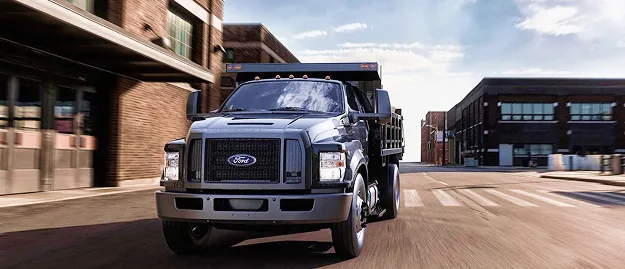
Business owners browsing listings for commercial dump trucks for sale benefit from establishing clear criteria before starting the search, payload capacity, axle configuration, budget range, and acceptable mileage or age, rather than evaluating trucks one at a time without a consistent framework. This approach makes it far easier to compare options objectively and avoid decisions driven by an appealing price alone.
Planning for Growth
The best fleet decisions account not just for current job requirements but for where a business expects to be in the next several years. Purchasing with some built-in flexibility, whether that means slightly higher capacity or configurations that support a broader range of future contracts, often prevents the need for premature, costly upgrades down the line.
Final Thoughts
Building a reliable, cost-effective fleet requires looking well beyond any single purchase price to the long-term operational and financial picture. For businesses ready to add dependable, well-documented equipment to their operations, Dump Truck Kings offers the inventory and expertise needed to make every fleet decision a confident one.