
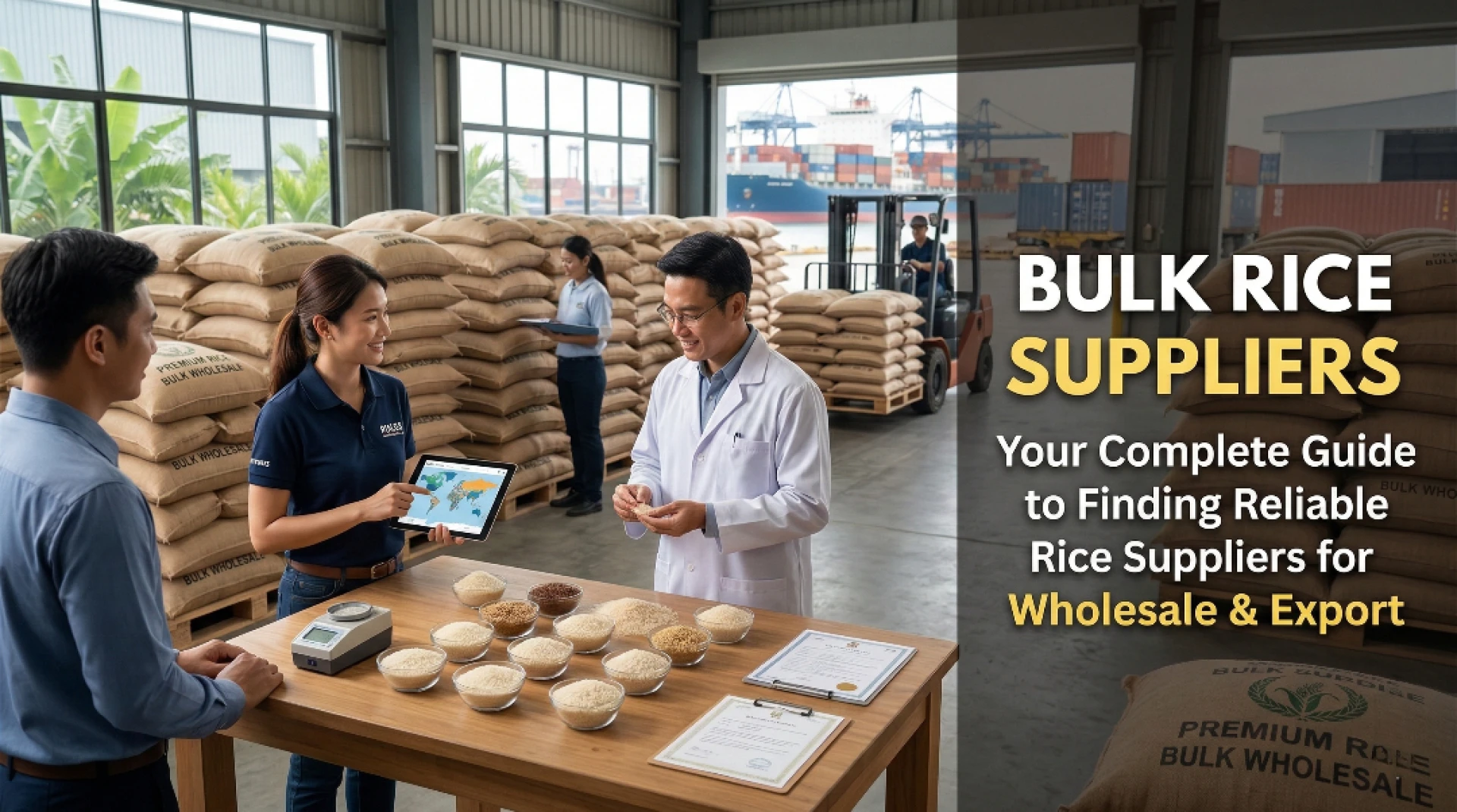
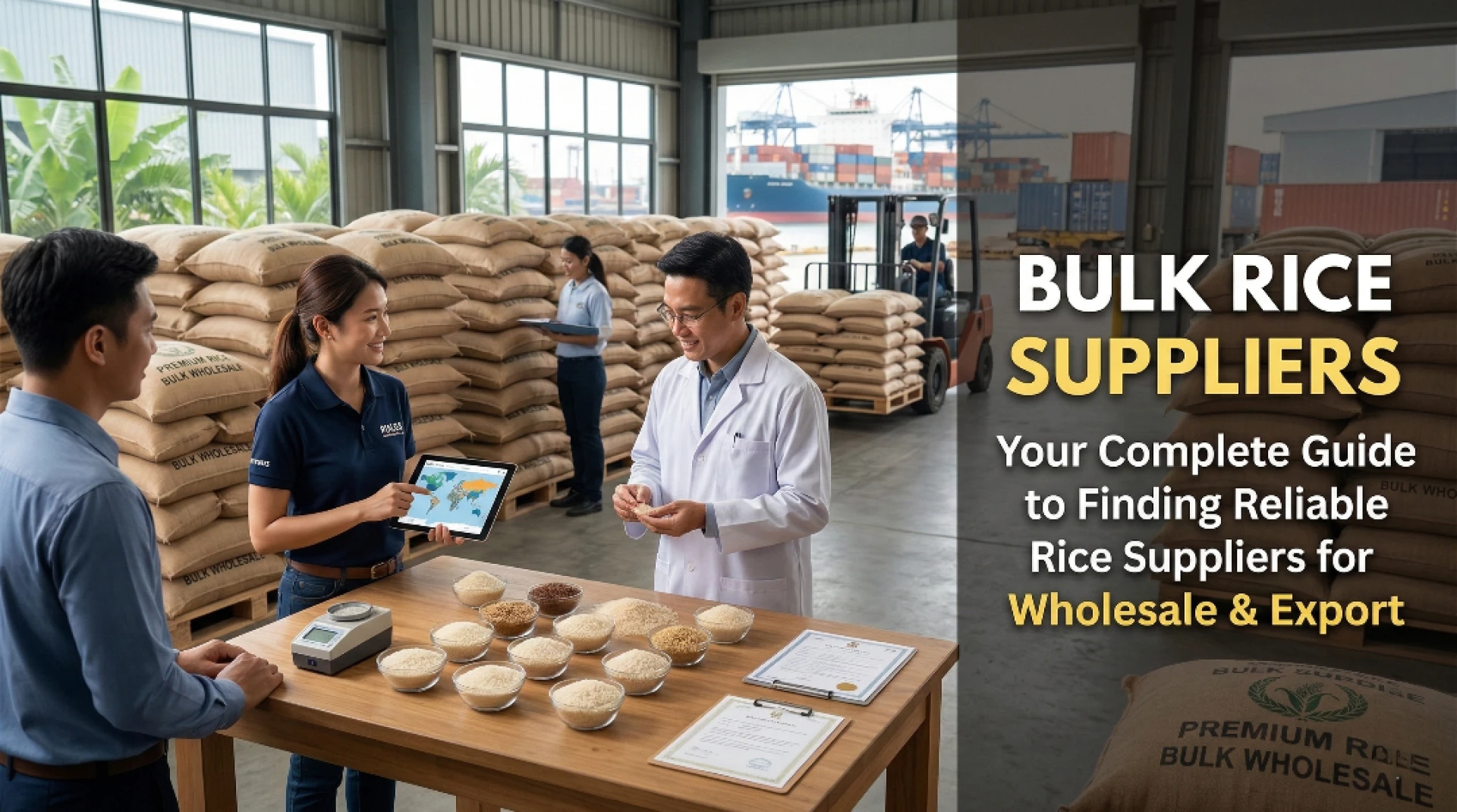
Rice is more than just a staple food—it’s the backbone of meals for billions of people around the world. From steaming bowls of biryani to comforting fried rice and sushi, this humble grain powers kitchens across continents. But have you ever wondered how restaurants, retailers, and importers manage to source rice in massive quantities?
That’s where bulk rice suppliers come in.
If you run a food business, supermarket chain, restaurant, or import-export company, choosing the right rice supplier can make or break your operations. The right partner ensures consistent quality, competitive pricing, and reliable delivery.
In this blog, we’ll explore everything you need to know about bulk rice suppliers—how they operate, how to choose the best one, and why bulk rice sourcing is booming worldwide.
Understanding Bulk Rice Supply
What Are Bulk Rice Suppliers?
Bulk rice suppliers are companies or distributors that provide rice in large quantities to businesses rather than individual consumers. These suppliers typically serve:
- Food manufacturers
- Restaurants and hotel chains
- Retailers and supermarkets
- Rice exporters and importers
- Wholesalers and distributors
Instead of buying small retail packs, businesses purchase rice in large sacks or container shipments, often weighing 25 kg, 50 kg, or even several tons.
Why Bulk Rice Supply Matters
Think about it—if a restaurant had to buy rice packet by packet from a grocery store, operations would quickly become chaotic. Bulk suppliers solve that problem by offering:
- Consistent supply
- Lower cost per kilogram
- Standardized quality
- Efficient logistics
In simple terms, bulk rice suppliers keep the global food chain running smoothly.
Rice isn’t just rice. There are dozens of varieties, each with its own aroma, texture, and culinary purpose.
1. Basmati Rice
The King of Aromatic Rice
Basmati rice is famous for its long grains and distinct fragrance. It is widely used in dishes such as:
- Biryani
- Pilaf
- Pulao
Bulk suppliers usually offer several types of basmati rice, including:
- 1121 Basmati Rice
- Pusa Basmati Rice
- Traditional Basmati Rice
Why Buyers Love Basmati
- Extra-long grain length
- Non-sticky texture
- Premium global demand
2. Non-Basmati Rice
A Budget-Friendly Choice
Non-basmati rice is widely consumed across the world due to its affordability and versatility.
Popular varieties include:
- IR64 Rice
- Sona Masoori Rice
- Swarna Rice
Common Uses
Non-basmati rice is ideal for:
- Daily household consumption
- Food processing
- Institutional kitchens
3. Parboiled Rice
The Nutrient-Rich Option
Parboiled rice is partially boiled in the husk before milling. This process:
- Preserves nutrients
- Improves texture
- Reduces breakage during milling
Many African and Asian countries prefer parboiled rice for large-scale consumption.
4. Brown Rice
The Health-Conscious Alternative
Brown rice retains the outer bran layer, making it rich in:
- Fiber
- Vitamins
- Minerals
Bulk suppliers increasingly offer brown rice due to growing global demand for healthy food options.
Buying rice in bulk isn’t just about quantity—it’s about efficiency and profitability.
Lower Costs and Better Margins
When businesses purchase rice in large volumes, they often receive:
- Wholesale pricing
- Lower transportation cost per unit
- Reduced packaging expenses
This leads to better profit margins, especially for restaurants and retailers.
Consistent Quality Supply
Quality consistency is crucial for food businesses. Imagine serving a restaurant dish that tastes different every time!
Reliable bulk rice suppliers maintain:
- Standard grain size
- Moisture control
- Quality grading
This ensures customers enjoy the same taste and texture every time.
Reliable Logistics and Distribution
Bulk suppliers usually have established logistics networks. This includes:
- Warehousing facilities
- Container shipping
- Export documentation
In short, they handle the heavy lifting so businesses can focus on operations.
Not all suppliers are created equal. Choosing the right one requires careful evaluation.
1. Quality Certifications
Look for suppliers with certifications such as:
- ISO certification
- HACCP standards
- Food safety compliance
These certifications indicate proper quality control processes.
2. Product Variety
A good supplier offers multiple rice varieties. Why does this matter?
Because different customers prefer different types of rice.
For example:
- Restaurants may prefer basmati rice
- Retail stores may demand non-basmati varieties
- Health stores may require brown rice
Having options helps your business serve diverse markets.
3. Competitive Pricing
Price plays a critical role in bulk purchasing decisions.
However, cheaper isn’t always better.
The best approach is finding suppliers that offer:
- Competitive wholesale prices
- Consistent quality
- Transparent pricing structure
4. Export Capabilities
If you are sourcing rice for international markets, choose suppliers with export expertise.
They should be able to manage:
- Export documentation
- Customs clearance
- Container shipments
- International quality standards
5. Packaging Options
Bulk rice suppliers usually provide different packaging formats.
Common Packaging Types
- 25 kg woven bags
- 50 kg PP bags
- Customized branded packaging
Packaging flexibility is especially useful for retailers and distributors.
Quality control is the backbone of rice supply.
Advanced Processing Techniques
Modern rice mills use advanced equipment such as:
- Color sorters
- De-stoners
- Polishing machines
These technologies remove impurities and ensure premium grain quality.
Strict Quality Checks
Bulk rice suppliers conduct multiple quality tests, including:
- Grain length measurement
- Moisture testing
- Broken grain analysis
These steps ensure that buyers receive rice that meets international standards.
Rice is consumed in nearly every corner of the world.
Rising Demand in International Markets
Countries across Africa, the Middle East, and Europe import massive quantities of rice annually.
Why?
Because domestic production often cannot meet demand.
This creates huge opportunities for rice exporters and bulk suppliers.
The Role of Exporters
Rice exporters act as a bridge between farmers and global buyers.
They handle:
- Rice procurement from farmers
- Processing and milling
- Packaging and export shipping
Without these suppliers, international rice trade would slow to a crawl.
Working with experienced suppliers provides several advantages.
1. Stable Long-Term Supply
Businesses need reliability. Bulk suppliers provide steady supply chains, preventing shortages.
2. Custom Orders
Many suppliers allow custom specifications such as:
- Grain length requirements
- Broken percentage limits
- Special packaging designs
3. Global Shipping Support
Professional suppliers often ship rice worldwide through container shipments, making international trade seamless.
Like any supply chain, rice sourcing comes with its own challenges.
Price Fluctuations
Rice prices can fluctuate due to:
- Weather conditions
- Export policies
- Global demand
Bulk buyers must plan purchases strategically.
Logistics and Storage
Rice must be stored properly to avoid:
- Moisture damage
- Pest infestation
- Quality deterioration
Reliable suppliers typically maintain proper storage warehouses to prevent such issues.
The rice industry is evolving quickly.
Growing Demand for Organic Rice
Consumers are becoming more health-conscious. As a result, organic rice is gaining popularity in global markets.
Bulk suppliers are expanding into:
- Organic basmati rice
- Organic brown rice
- Chemical-free rice varieties
Technology in Rice Processing
Modern rice mills now use automation and AI-powered sorting systems to improve grain quality and reduce waste.
This leads to higher efficiency and better product consistency.
Looking for a reliable supplier? Here are a few practical tips.
Do Market Research
Check online directories, trade platforms, and supplier websites.
Request Samples
Always request rice samples before placing large orders.
Verify Certifications
Ensure the supplier complies with food safety and export standards.
Check Reviews and Reputation
Look for suppliers with a strong industry reputation and long-term clients.
Rice may look like a simple grain, but sourcing it in bulk requires careful planning and trusted partnerships.
The right bulk rice supplier can help your business:
- Maintain consistent product quality
- Reduce purchasing costs
- Ensure uninterrupted supply
- Expand into global markets
Whether you're a restaurant owner, retailer, distributor, or importer, working with a reliable supplier is the foundation of success in the rice trade.
So next time you see a plate of perfectly cooked rice, remember—behind that simple grain lies an entire network of farmers, mills, and bulk rice suppliers working together to deliver quality from field to table.