
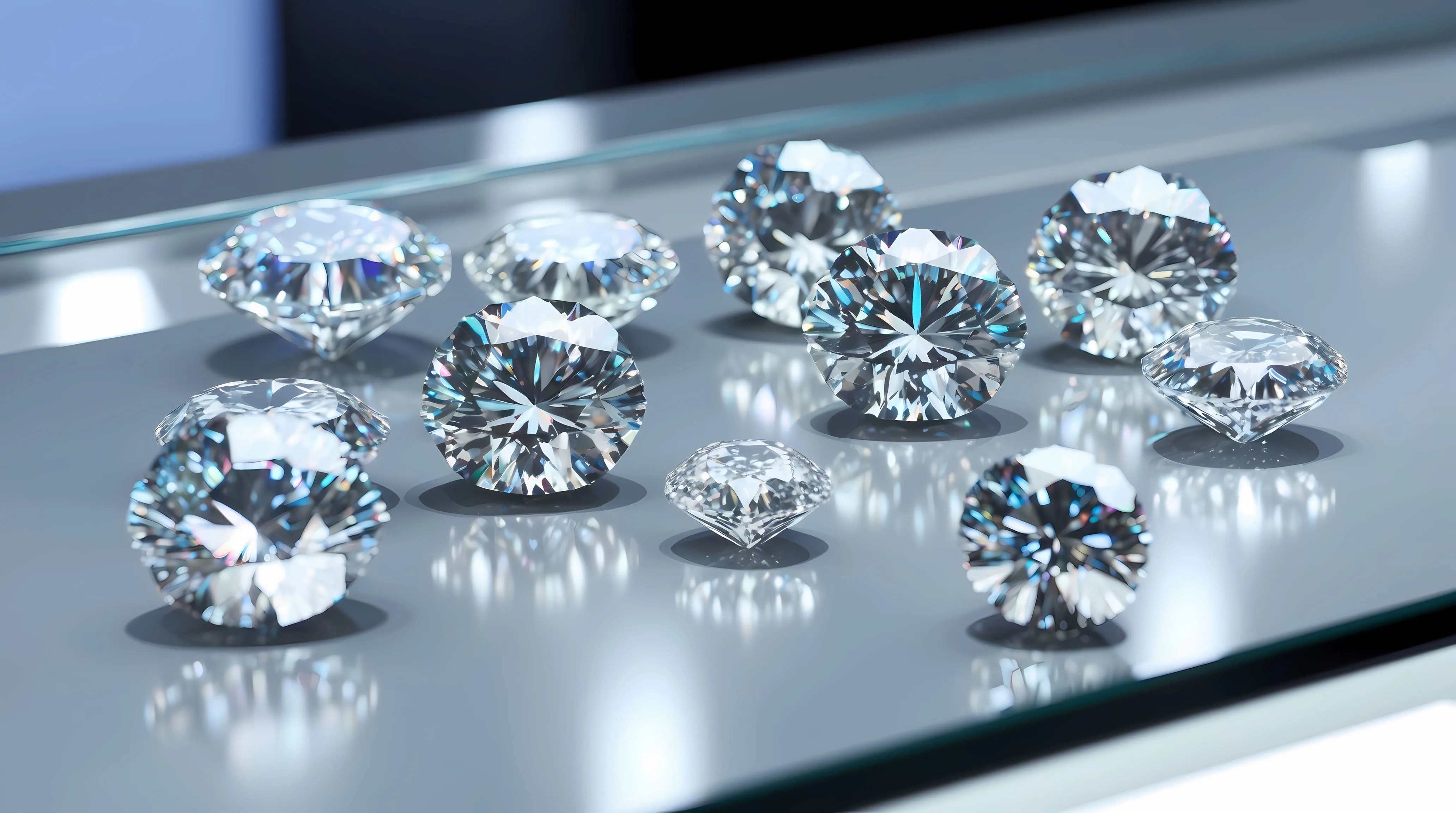
Choosing a loose diamond is an exciting step toward creating a piece of jewelry that feels personal. Instead of starting with a finished ring, you can select the diamond first and then build a setting around it. This approach gives you greater control over the stone's shape, appearance, quality, and overall design.
If you plan to Buy Loose Diamonds Online, however, having a clear evaluation process is essential. Online listings can provide a wealth of information, but knowing how to interpret that information can make the difference between simply finding a diamond and finding one that genuinely suits your needs.
Why Choose a Loose Diamond?
A loose diamond is a finished diamond that has not been mounted in a jewelry setting. This gives you the flexibility to choose the stone independently from the ring, pendant, earrings, or other jewelry you plan to create.
Buying the diamond separately can be useful when designing a custom engagement ring. You can select a particular shape and then choose the metal, setting, accent stones, and overall design afterward.
It also allows you to compare multiple diamonds before committing to a finished piece.
Establish Your Budget Before Shopping
The first step in online diamond shopping should be setting a realistic budget. Knowing your spending range helps narrow the search and prevents you from becoming distracted by diamonds outside your priorities.
Do not assume that a larger carat weight automatically represents better value. A diamond's price can vary because of its cut, color, clarity, shape, certification, proportions, and other characteristics.
Instead, decide where you want to place your budget.
You may prioritize:
- Strong visual brilliance
- A particular diamond shape
- A larger face-up appearance
- Higher color
- Eye-clean clarity
- A specific certification
- A balanced combination of characteristics
Having clear priorities makes comparison much easier.
Understand the 4Cs
The 4Cs remain an important foundation when evaluating a loose diamond.
Cut
Cut affects how a diamond interacts with light. A well-executed cut can contribute to brightness, sparkle, and visual appeal.
Do not confuse cut with shape. Shape refers to the diamond's outline, while cut concerns how the stone's facets and proportions have been fashioned.
When possible, pay attention to the diamond's visual performance rather than selecting a stone simply because it has a particular grade.
Color
Diamond color describes the degree of body color visible in the stone. The traditional D-to-Z scale is commonly used to describe color grades.
The ideal choice depends on your preferences, shape, and intended setting. Some shoppers want a distinctly colorless appearance, while others may prefer to allocate more of their budget toward size or cut.
Clarity
Clarity considers internal inclusions and external blemishes. These characteristics vary in size, position, type, and visibility.
A high clarity grade is not automatically necessary for a beautiful diamond. If a lower clarity stone appears clean to the unaided eye and provides better overall value, it may be worth considering.
Carat
Carat measures diamond weight. It does not directly tell you how large the diamond will appear from above.
Two diamonds with identical carat weights can have different dimensions and visual appearances. Always consider measurements alongside carat weight when comparing loose diamonds.
Select a Shape That Matches Your Design
Shape has a strong influence on the final appearance of your jewelry.
Round diamonds offer a classic look, while oval, pear, cushion, emerald, marquise, radiant, and princess shapes create distinctive styles.
Think about the jewelry design you have in mind before choosing the stone. If you are planning a custom engagement ring, consider whether the shape works with the setting and proportions of the finished design.
A diamond should not only meet your specifications; it should also fit the visual style you want.
Review the Diamond's Measurements
Measurements can provide useful information that carat weight alone cannot.
Length, width, and depth help you understand the diamond's physical proportions. They can also help you compare stones that have similar weights but different face-up appearances.
For fancy shapes, measurements are especially useful because they can influence whether the diamond looks more elongated, compact, wide, or narrow.
When shopping online, use these details to narrow your selection before making a final decision.
Check the Grading Report
A grading report provides documented information about a diamond's characteristics. Depending on the laboratory and report, it may include details about weight, color, clarity, measurements, cut, polish, symmetry, and other characteristics.
Review the report before purchasing and make sure its information matches the diamond listing.
A grading report provides an important reference point when comparing diamonds from different listings. It can also help you understand what you are actually purchasing rather than relying entirely on marketing descriptions.
Examine Images and Videos
Visual inspection is particularly important when shopping online.
If a retailer provides high-quality photographs, videos, or 360-degree views, examine the diamond from different angles. Look for its overall brightness, sparkle, symmetry, and face-up appearance.
Magnified images can also help you understand clarity characteristics, although they may make inclusions appear much larger than they would look in normal viewing conditions.
Use visual information together with the grading report instead of relying on either one alone.
Compare Diamonds Side by Side
One of the most effective ways to shop online is to create a shortlist.
Choose several diamonds that meet your basic requirements and compare their:
- Shape
- Carat weight
- Measurements
- Color
- Clarity
- Cut information
- Polish
- Symmetry
- Fluorescence
- Certification
- Price
- Visual appearance
This process can reveal differences that are difficult to notice when viewing individual diamonds separately.
The objective is not to find the diamond with the most impressive specification in one category. It is to identify the stone that offers the best combination for your priorities.
Consider Natural and Laboratory-Grown Options
When you Buy Loose Diamonds Online, you may encounter both natural and laboratory-grown diamonds.
Natural diamonds form through geological processes, while laboratory-grown diamonds are produced using controlled technological methods. Their origins are different, and pricing and market considerations can differ as well.
If diamond origin is important to your purchase, confirm the type of diamond and review its documentation before ordering.
Think About the Final Setting
A loose diamond should be compatible with the jewelry design you plan to create.
A solitaire setting can place the center stone at the heart of the design. A halo can surround it with additional stones, while a bezel setting provides a distinctive metal border around the diamond.
Consider the shape, dimensions, and proportions of the diamond before selecting a setting. If you already own a setting, confirm that the stone's measurements are suitable.
Planning these details in advance can prevent compatibility issues later.
Review Online Purchase Policies
A responsible online purchase involves more than selecting the diamond.
Before placing an order, review the seller's return and exchange policies, shipping terms, payment information, and available customer support.
Make sure you understand what happens if the diamond does not meet your expectations after delivery.
Clear policies can provide additional confidence when purchasing a valuable item online.
Avoid Choosing Based Only on Price
A low price can be attractive, but it does not automatically mean you are getting better value.
A diamond may cost less because of differences in cut, color, clarity, proportions, shape, certification, or other characteristics. Compare the complete specifications before deciding.
Likewise, the most expensive diamond is not necessarily the best choice for your needs.
A well-balanced stone that delivers the appearance you want may provide greater practical value than a diamond carrying a premium for a specification you do not consider important.
Make Research Part of the Experience
When you Buy Loose Diamonds Online, take advantage of the information available to you.
Read the grading report, compare measurements, study images, review pricing, and consider the intended jewelry design. If something in a listing is unclear, seek clarification before completing your purchase.
diamondhedge gives shoppers a place to explore diamond options while learning about the characteristics that can influence selection and value.
The more informed your comparison process becomes, the easier it is to narrow a large selection into a few diamonds that genuinely fit your preferences.
Conclusion
Buying a loose diamond online can give you greater freedom, but making a confident decision requires careful research. Start with your budget, identify your priorities, understand the 4Cs, compare measurements, review certification, and examine the diamond's visual appearance.
Do not focus on carat weight or price alone. Consider how the complete combination of characteristics works together and how the diamond will fit into your final jewelry design.
Whether you are creating a custom engagement ring or choosing a loose stone for another piece of jewelry, informed comparison can help you find a diamond that suits your style, expectations, and budget. With thoughtful research and the right information, buying online can become a more straightforward and rewarding experience.