Many property buyers want income from real estate but do not want to find tenants, collect rent, supervise repairs or manage the property every day. A resort villa managed by a professional hospitality operator is designed to address this need. The owner purchases an eligible unit, while resort operations and property services are managed according to the applicable agreements.
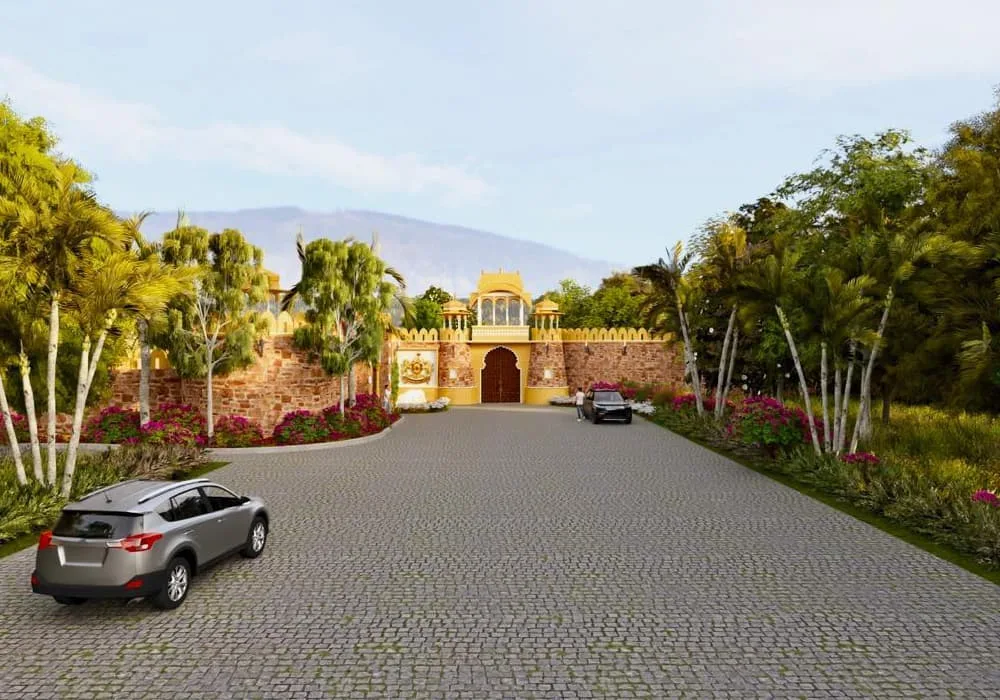
Sonagarh Fort Resort near Kukas, Jaipur, offers this type of combined ownership concept. The project includes palace rooms, resort villas and 2 BHK mansion suites supported by proposed amenities, event venues, accommodation inventory and hospitality management.
How Does a Managed Resort Villa Differ from a Rental House?
A conventional rental property usually depends on a long-term tenant. The owner or property manager must handle:
- Tenant selection
- Rent collection
- Repair requests
- Vacancy periods
- Security
- Regular maintenance
- Property inspections
- Legal documentation
A resort villa may operate within a larger hospitality property. Instead of depending on one tenant, the unit can form part of the resort’s managed room inventory subject to the agreed model.
The broader resort may attract leisure guests, wedding groups, event attendees and families. Professional staff can handle reservations, housekeeping, guest service and upkeep.
Why Does RERA Registration Matter?
A project that combines real estate and resort operations requires clarity about what is registered, what the buyer owns and when the development will be completed.
Sonagarh is positioned as the First RERA Approved Resort in Jaipur. Buyers should verify the project registration through the official authority and match the details with the unit being offered.
They should also inspect:
- Agreement for sale
- Ownership documentation
- Management or lease-back agreement
- Unit plan and measurement
- Possession schedule
- Return agreement
- Maintenance terms
- Exit and resale conditions
RERA registration improves project-level transparency, but income promises still need to be examined in the relevant agreement.
What Does Passive Income Mean in This Context?
Passive income does not mean that income appears automatically without contractual, operational or market considerations. It means the owner may not have to personally manage daily hospitality activities.
The resort-management team may handle:
- Guest acquisition
- Reservations
- Housekeeping
- Room preparation
- Maintenance
- Common facilities
- Food and beverage
- Events
- Owner booking coordination
A Managed Resort Villa Investment can therefore reduce the owner’s day-to-day involvement. However, all service responsibilities and payment obligations must be clearly documented.
What Return Does Sonagarh Promote?
The brochure mentions a 7% assured annual return, subject to applicable terms. Before treating this as income, buyers should ask for written clarification of:
- The investment amount on which 7% is calculated
- Whether registration, taxes and other charges are excluded
- The exact start date
- Payment frequency
- Payment duration
- Responsible company
- Delay provisions
- Tax deductions
- Termination conditions
If the payment is annual or quarterly, the website should not call it “monthly income.” Marketing language must match the agreement.
What Is Expected Profit Sharing?
The brochure separately refers to expected annual revenue profit sharing of 10–15%. This should be presented as a projected or conditional benefit rather than a guaranteed result unless the contract says otherwise.
Buyers should understand:
- What constitutes distributable profit
- Which resort activities contribute
- Which expenses are deducted
- Whether accounts are audited
- How the owner’s share is calculated
- Whether profit sharing is additional to 7%
- When a distribution is made
- What happens during a low-revenue year
The distinction between fixed contractual payments and variable operational returns is extremely important.
Which Resort Activities May Support Revenue?
Sonagarh is designed as more than an accommodation-only property. Its proposed hospitality ecosystem includes:
- Palace rooms and suites
- Resort villas
- Destination weddings
- Banquet functions
- Large outdoor events
- Restaurants
- Spa and wellness
- Family recreation
- Group stays
- Corporate events
Multiple operational areas may help broaden the resort’s commercial model. Nevertheless, future demand, occupancy and operating results cannot be guaranteed only because facilities are proposed.
Why Are Destination Weddings Important?
Jaipur has a strong identity as a destination-wedding market. Sonagarh’s proposed scale includes extensive lawns, a large banquet hall, palace accommodation, villas and significant parking capacity.
The ability to accommodate guests and host multiple functions within one property can improve convenience for wedding groups. Wedding business may also use rooms, food and beverage, gardens, banquets and other resort services.
For investors, this demonstrates the intended business model. It does not provide certainty of revenue, so operational projections should be reviewed carefully.
Can Owners Also Use the Property?
Passive-income objectives do not necessarily eliminate personal use. The brochure describes up to 24 complimentary nights annually for eligible owners, with transferability subject to conditions.
This benefit may allow owners to:
- Plan family holidays
- Visit Jaipur periodically
- Transfer stays to eligible guests
- Experience resort amenities
- Use the property as a managed holiday asset
Personal usage may be subject to advance booking, occupancy, blackout dates and chargeable services.
What Happens to Maintenance?
One of the practical advantages of professional management is that the owner may not need to individually coordinate everyday upkeep. However, the agreement must identify:
- Who maintains the unit
- Who pays for routine repairs
- Who pays for major replacement
- Whether maintenance fees apply
- How furnishings are renewed
- Who insures the unit
- Who pays utility charges
- What happens during owner stays
Passive ownership should never mean that costs do not exist. It means management responsibilities are organised.
Which Unit Category May Be Suitable?
Sonagarh’s different categories allow buyers to select an option based on budget, space and objectives.
Smaller palace rooms may be considered by buyers seeking an entry-level hospitality unit. The 700 sq. ft. and 1,000 sq. ft. villas provide distinct resort-villa formats. The 1,300 sq. ft. mansion suite may suit buyers seeking a larger family-oriented property.
Buyers should compare:
- Acquisition price
- Area
- Keys
- Annual benefit terms
- Wedding entitlement
- Personal-stay suitability
- Management charges
- Resale conditions
The largest unit is not automatically the best investment; suitability depends on the buyer’s needs and contractual structure.
What Risks Should Investors Consider?
Every property investment carries risks. Relevant considerations include:
- Construction delays
- Changes in proposed amenities
- Hospitality-market performance
- Payment counterparty risk
- Maintenance costs
- Regulatory changes
- Resale liquidity
- Tax liabilities
- Blackout dates
- Agreement restrictions
A professional legal and financial review can help the buyer understand these factors before investing.
How Can Buyers Reduce Daily Involvement?
Buyers seeking a low-management property should verify that the operator is contractually responsible for:
- Maintenance
- Guest operations
- Housekeeping
- Reservations
- Security
- Common facilities
- Owner reporting
- Service standards
The buyer should also ask how performance reports and payment statements will be shared.
Wrap-Up
A Passive Income Resort Villa Investment Jaipur opportunity can appeal to buyers who want property ownership without personally supervising daily resort operations. Sonagarh Fort Resort combines this idea with RERA registration, multiple unit categories, professional hospitality management, proposed wedding infrastructure and owner benefits. Buyers should treat passive income as a structured contractual and operational concept—not as a risk-free promise—and verify every payment, maintenance and usage condition before proceeding.