
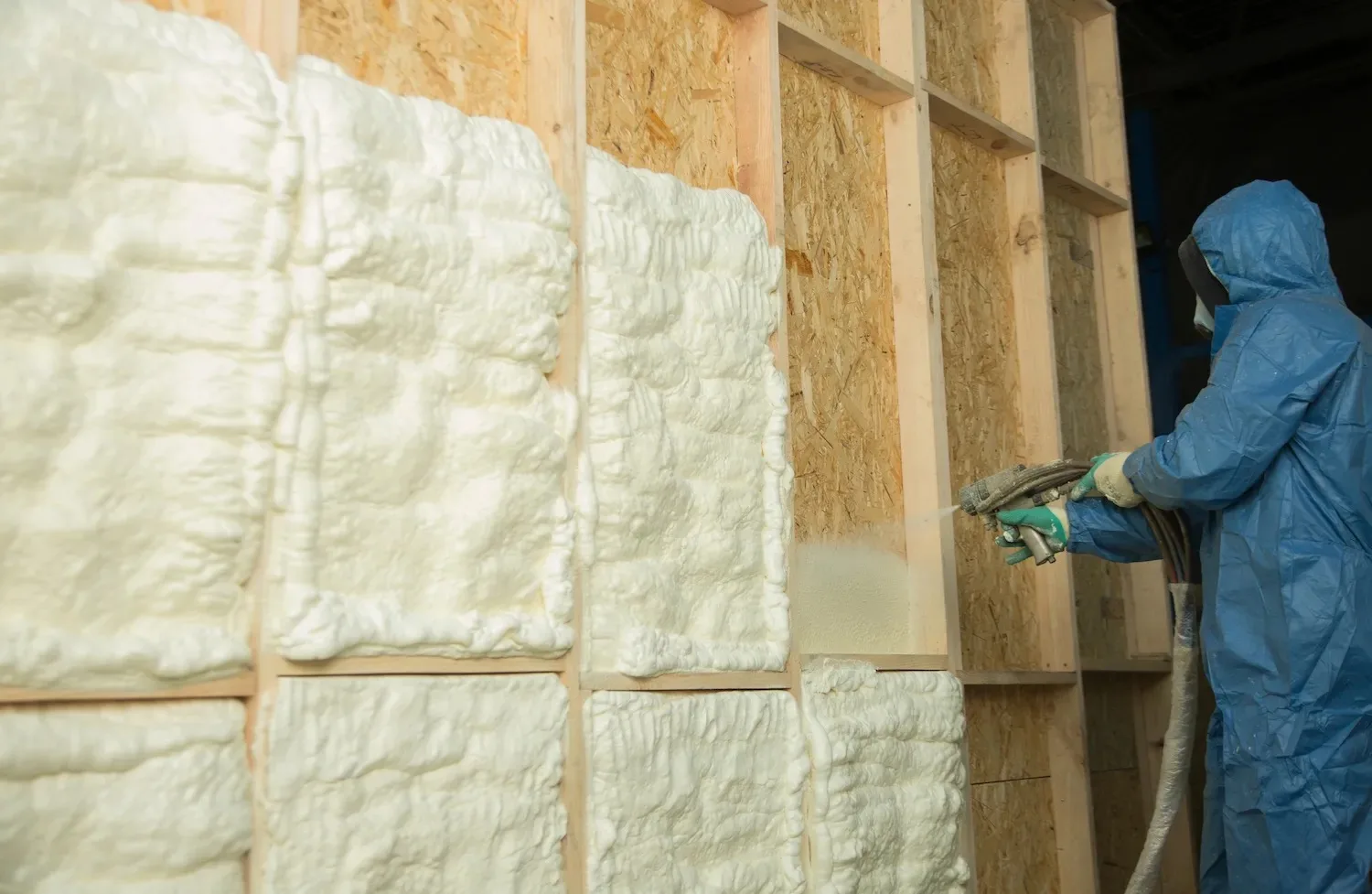
Residential insulation directly increases home comfort by creating a consistent thermal barrier that resists heat flow between the interior and exterior of a building. In the summer, quality insulation prevents outdoor heat from entering through the roof and walls, while in the winter, it keeps expensive heated air inside where it belongs. This process stabilizes indoor temperatures, reduces the workload on heating and cooling systems, and eliminates the common problem of hot or cold spots in different rooms.
Building science experts agree that comfort is not just about the temperature on the thermostat but about how heat moves through a space. By addressing the physics of heat transfer, high-quality insulation allows a home to maintain a steady environment regardless of external weather shifts. Recent data suggests that properly sealing and insulating a home can save a homeowner an average of 15% on heating and cooling costs, which reflects the significant effect these materials have on managing the internal climate.
Understanding Heat Transfer and Thermal Resistance
To see how insulation works across seasons, one must look at how heat behaves. Heat naturally moves from warmer areas to cooler ones until there is no longer a temperature difference. In the winter, heat moves from the living spaces to the unheated attic, garage, or outside. In the summer, heat moves from the sun-baked outdoors into the cool, air-conditioned interior. Insulation slows this movement using material that has a high R-value, which is the measure of its thermal resistance.
Most homes rely on three types of heat transfer: conduction, convection, and radiation. Conduction is heat moving through solid materials, like wall studs. Convection is the movement of heat through air. Radiation is the transfer of heat across open space, such as sunlight hitting a roof. Effective insulation materials, particularly those that also act as an air seal, address all three of these pathways to ensure the indoor environment stays predictable and pleasant. These three mechanisms of heat movement create distinct challenges during extreme weather, requiring specific strategies for both summer and winter.
Summer Comfort and Heat Rejection
During the hottest months, the sun beats down on the roof, often raising attic temperatures to over 140 degrees Fahrenheit. Without a thick layer of insulation, that heat radiates downward through the ceiling and into the living areas. This makes the upper floors feel stifling and forces the air conditioner to run constantly to keep up.
When a home has modern insulation, the heat stays trapped in the attic space or is blocked from entering the wall cavities. This prevents the "oven effect" that many residents feel in late afternoon. Additionally, certain insulation types help manage humidity. In humid climates, moist air can leak into a home through small gaps. Insulation that provides a tight seal prevents this moisture from entering, which keeps the air feeling crisp and cool rather than heavy and damp.
Bonus Tip: Residents should check if their attic has a radiant barrier or high R-value insulation if their upstairs rooms are consistently five to ten degrees warmer than the ground floor.
Winter Benefits and Heat Retention
In the winter, the goal of insulation shifts to keeping heat inside. Warm air is less dense than cold air, so it naturally rises. This is known as the stack effect. In an under-insulated home, warm air rises into the attic and escapes through the roof, while cold air is sucked in through gaps in the basement or crawl space to replace it. This creates uncomfortable drafts and cold floors.
Thick insulation acts as a blanket for the house. It holds the warmth generated by the furnace or heat pump within the drywall boundaries. This ensures that the walls and floors remain warm to the touch. When surfaces are warm, the human body loses less heat through radiation, which allows people to feel comfortable even if the thermostat is set to a lower temperature.

Comparing Insulation Materials for Year Round Performance
Not all insulation materials perform the same way in every season. Some are better at stopping air movement, while others focus purely on thermal resistance. Choosing the right material depends on the specific needs of the structure and the local climate. These R-values indicate how effectively a material blocks the intense heat found in a sun-drenched attic.
MaterialR-Value per InchAir Sealing CapabilityBest Used ForFiberglass Batts2.2 to 2.9LowStandard wall cavities with no gapsBlown-In Cellulose3.2 to 3.8ModerateAttic floors and existing closed wallsOpen Cell Spray Foam3.5 to 3.7HighInterior walls and sound dampeningClosed Cell Spray Foam6.0 to 7.0ExcellentExternal walls, crawl spaces, and attics
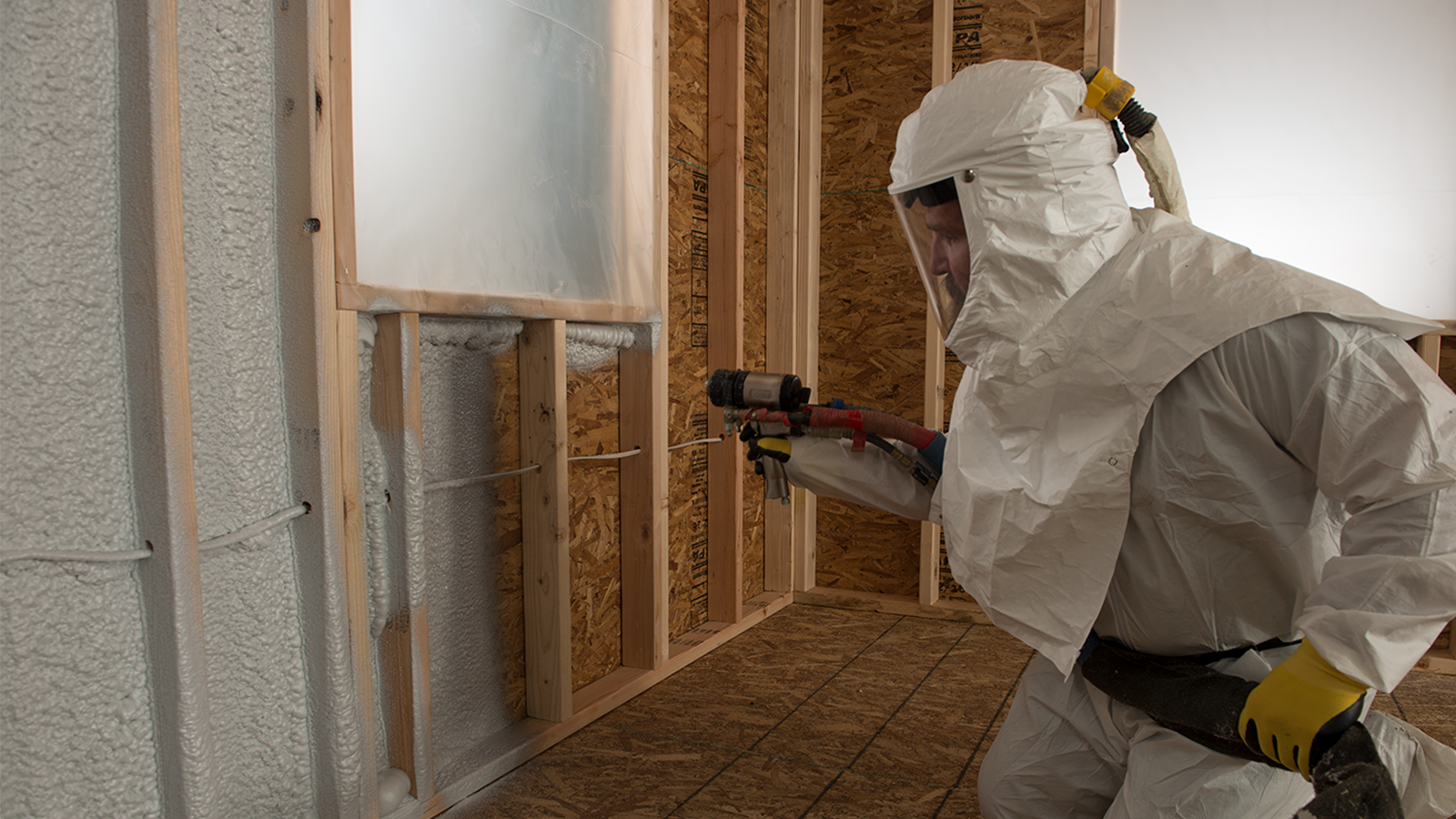
While fiberglass is a traditional choice, it does not stop air flow. Air can still pass through the fibers, carrying heat and moisture with it. Spray foam insulation is often preferred for total comfort because it expands to fill every crack and crevice. This creates a custom fit that stops both heat transfer and air leakage simultaneously.
Regional Climate Considerations for the Southeast
In regions like North Carolina, the climate is categorized as mixed-humid. This means the insulation must be able to handle freezing temperatures in January and extreme humidity and heat in July. In these areas, the control of moisture is just as important as the control of temperature.
High humidity can lead to mold growth in wall cavities if the insulation allows warm, moist air to hit a cold surface. Using materials that provide a vapor retarder or a complete air seal helps protect the structural integrity of the home while keeping the interior air quality high. In the South, insulating the roofline rather than just the attic floor is becoming a popular way to bring the attic into the conditioned space, which keeps HVAC equipment and ductwork in a cool environment.
Bonus Tip: For those in humid zones, ensuring the crawl space is encapsulated and insulated can eliminate the musty smells and cold floors often associated with summer humidity and winter chills.
Things to Consider Before Making a Decision
Before a homeowner invests in new insulation, several factors should be evaluated to ensure the best outcome for comfort and energy efficiency.
- Current Insulation Levels: Many older homes have insulation that has settled over time, losing its effectiveness. A quick visual inspection of the attic can reveal if the joists are visible; if they are, more insulation is likely needed.
- Air Leakage Points: Insulation works best when air isn't moving through it. Locating leaks around windows, doors, and plumbing stacks is a necessary first step.
- Ventilation Requirements: In some cases, adding insulation can change how a house breathes. It is important to ensure that the attic still has proper airflow or that the system is designed to be unvented, as is the case with some spray foam applications.
- Budget vs. Long-Term Savings: While some materials have a higher upfront cost, their ability to reduce monthly utility bills for decades often makes them the more economical choice over the life of the home.
- Professional Assessment: Every home has a unique footprint. Having an expert evaluate the specific thermal weak points of a building can prevent over-spending on areas that don't need help.
Common Questions About Seasonal Comfort
Does insulation help with outside noise during different seasons?
Yes. Denser insulation materials like spray foam or mineral wool provide excellent sound dampening. This reduces the sound of heavy rain in the spring, loud air conditioners in the summer, and wind whistles during winter storms.
Can a home have too much insulation?
While it is hard to over-insulate for temperature, it is possible to make a home too airtight without proper ventilation. If a home is sealed very tightly, a mechanical ventilation system might be needed to ensure fresh air circulates and indoor pollutants are removed.
How long does typical residential insulation last?
Fiberglass and cellulose can last 20 to 30 years but may settle or be damaged by moisture and pests. Spray foam is considered a permanent solution that typically lasts for the entire life of the structure without needing to be replaced or topped off.
Will new insulation fix a room that is always cold?
Usually, yes. A room that remains consistently cold often suffers from air leaks or a short circuit in the insulation. By properly sealing the space and adding high R-value material, that room should reach the same temperature as the rest of the house.
Final Observations on Home Insulation
Optimizing residential insulation is one of the most effective ways to ensure a home remains a sanctuary regardless of the season. By selecting the right materials and focusing on both thermal resistance and air sealing, homeowners can eliminate drafts, stabilize room temperatures, and lower their carbon footprint. The best approach involves assessing the current state of the home and choosing a solution that addresses the specific climate challenges of the region.
Finding Expert Assistance for Your Home
When homeowners are ready to improve their indoor environment, working with a specialized provider can simplify the process. They can provide a detailed analysis of where a home is losing energy and recommend the most effective materials for the local climate. For those in the Raleigh area, Raleigh Excel Spray Foam Insulation offers expert services to help residents achieve year-round comfort. They can be reached via email at [email protected] or by calling (919) 301-9435 to discuss specific insulation needs. Choosing an experienced professional ensures that the installation is handled safely and effectively for long-lasting results.