
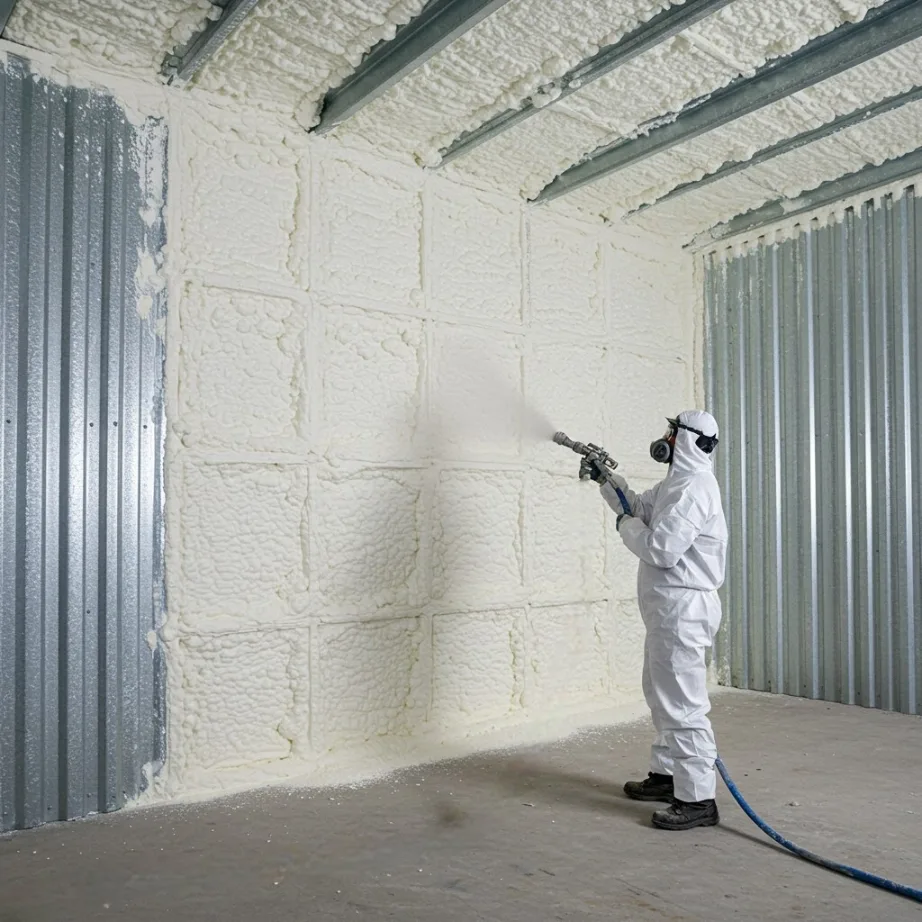
Yes, homeowners can add wall insulation for existing interior walls without removing drywall or starting a major renovation. Most professional teams use a process called injection foam or blown-in insulation to fill the empty spaces between studs. These methods allow an insulation contractor to improve home comfort by working through small, inconspicuous holes in the wall surface.
This approach is a practical way to upgrade a living environment without the mess of a full tear-out. Whether the goal is to dampen sound between rooms or create better temperature zones, wall insulation for existing interior walls provides a functional solution. This guide covers the process, costs, and benefits of retrofitting a home.
Experts in the field have used these techniques for decades to help people manage noise and energy bills. The technology has improved significantly, making residential wall insulation more accessible and effective than in the past. Homeowners can expect a cleaner process and better results when choosing modern materials designed specifically for closed cavities.
Methods for installing wall insulation for existing interior walls
There are two primary ways to handle this type of project without causing major structural changes. The most common method is the "drill and fill" technique. A technician drills small holes, usually about one to two inches in diameter, into each stud bay. They then use a hose to pump material into the cavity until it is full. Professional wall insulation services can help ensure the cavities are properly filled while minimizing disruption to the existing walls.
Injection foam is a popular choice because it starts as a liquid and expands to fill even the smallest gaps. It flows around electrical wires and outlet boxes, ensuring a tight seal that other materials might miss. Once the foam hardens, it provides a solid barrier that stays in place for years.
Blown-in cellulose is another reliable option for retrofit wall insulation projects. This material consists of recycled paper treated with fire retardants. It is packed tightly into the walls to prevent settling. While it does not seal air as tightly as foam, it is an excellent choice for soundproofing and thermal resistance.
Bonus Tip: Before starting the installation, have a professional use a thermal camera to find hidden fire blocks or horizontal braces inside the walls. These obstacles can block the flow of insulation, leaving empty spots.
Why homeowners choose interior wall insulation
Most people think of insulation as something only for exterior walls to keep out the cold. However, interior wall insulation serves a different but equally important purpose. The primary reason many people invest in this service is for sound dampening. If a house has a home office next to a noisy living room, insulating the shared wall can make a large difference.
Thermal zoning is another factor for larger homes. If there are guest rooms or sections of the house that are not used often, insulating the interior walls allows those vents to be closed without affecting the temperature of the rest of the house. This creates a more energy-efficient insulation setup that saves money on monthly bills.
Comparing materials for existing wall projects
Choosing the right material depends on the specific goals for the project. Some materials are better at blocking noise, while others focus on thermal resistance. The table below outlines the differences between the common options used by insulation installation services today.
Material TypeR-Value per InchBest ForCleanup LevelInjection Foam4.0 to 5.0Air sealing and thermalMinimalBlown Cellulose3.2 to 3.8Soundproofing and budgetModerateMineral Wool (Granulated)3.0 to 3.3Fire resistanceModerateFiberglass (Loose Fill)2.2 to 2.7Basic thermal needsMinimalThings to consider before starting your project
Beyond material properties, the current state of a house determines how well the installation will proceed. A home's age can affect how easily the material flows. Older homes might have lath-and-plaster walls, which are more brittle than modern drywall and require a gentler touch during drilling.
Checking for existing insulation is also necessary. If there is already old, settling fiberglass inside the walls, adding new material might be difficult. In some cases, the old material needs to be compressed or removed, which can change the scope of the job. A professional can usually determine this by removing a switch plate and looking inside the wall.
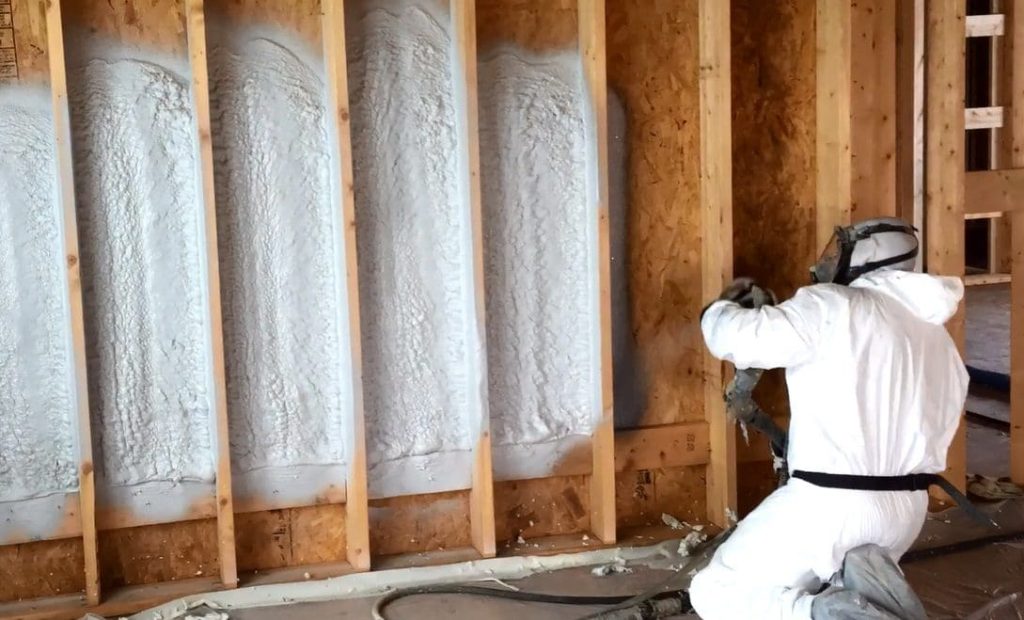
Budget is always a factor, but the long-term value is also worth considering. While the initial cost of injection foam might be higher than that of cellulose, the air-sealing properties often lead to better comfort. Thinking about which rooms need the most help, such as bedrooms, bathrooms, and laundry rooms, is a good way to prioritize.
Is it worth insulating walls in a Raleigh climate?
In regions like North Carolina, humidity and temperature swings are common. While exterior walls handle the brunt of the weather, interior insulation helps manage the load on an HVAC system. When wall insulation is installed on existing interior walls, it reduces the amount of air moving through the house's interior.
This is especially helpful in homes with "bonus rooms" over garages or split-level designs. These areas often struggle with consistent temperatures. By treating the interior partitions, homeowners can prevent conditioned air from escaping into unconditioned spaces like the attic or crawlspace. This keeps the home more comfortable during the humid summer months.
Bonus Tip: For those insulating a bathroom wall in this humid climate, selecting a material resistant to mold and moisture is a smart choice. Even though the wall is interior, high humidity from showers can sometimes seep into the wall cavity over time.
The step-by-step process for a clean installation
The process for a professional insulation contractor is straightforward and designed to minimize disruption to daily life. They begin by prepping the area with drop cloths to catch any dust. Then, they map out the wall to ensure every stud bay is accounted for.
- Technicians drill small holes at a specific height, usually near the top or middle of the wall.
- They insert a nozzle or hose to deliver the material into the cavity.
- Sensors or manual checks ensure the cavity is filled to the correct density.
- The holes are plugged with temporary stoppers or a quick coat of spackle.
- Homeowners or a painter can then add a final dab of paint to make the holes disappear.
How much noise reduction can you expect?
One of the biggest surprises for homeowners is how much quieter their homes become after installing interior wall insulation. Standard hollow walls act like a drum, echoing sounds from one room to another. Filling that empty space with dense material absorbs those sound waves.
A significant drop in high-frequency noises, such as voices or television sounds, can be expected. While it won't make a room 100% soundproof, it often improves the Sound Transmission Class (STC) rating by several points. This makes the home feel more private and peaceful, which is a major selling point for many families.
Safety and fire protection benefits
Adding insulation to interior walls can also improve a home's safety. Materials like mineral wool or treated cellulose are naturally fire-retardant. By filling the empty wall cavities, the "chimney" effect is reduced, which can slow the spread of flames between rooms in an emergency.
Many modern injection foams also have fire ratings that meet or exceed local building codes. This added layer of protection offers peace of mind while also providing the thermal and acoustic benefits originally sought. It is a smart way to make a home more resilient.
Evaluating the long-term value of your investment
While the initial cost is an investment, the benefits of wall insulation for existing interior walls continue for as long as a person owns the home. It results in a more consistent indoor environment and likely reduces wear and tear on heating and cooling equipment.
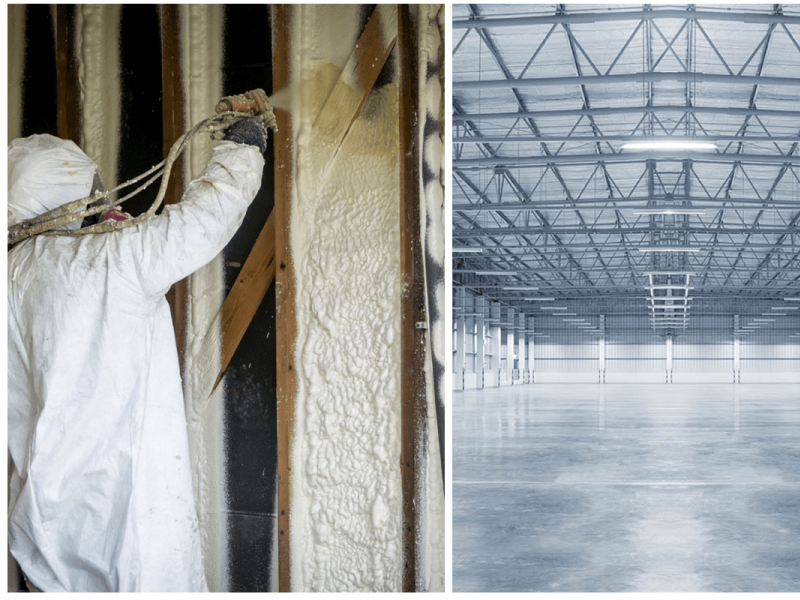
Because the process does not require moving out or tearing down walls, the additional costs are very low. There is no need for expensive drywall repairs, extensive painting, or professional cleaning services. It is one of the most efficient ways to upgrade an existing structure with minimal hassle.
A helpful recommendation for your home insulation needs
If a homeowner is ready to improve their home comfort, Raleigh Excel Spray Foam Insulation is a helpful resource for local residents. They offer a range of services, including residential spray-foam insulation and expert wall-insulation solutions tailored to specific needs. Their team understands the local climate and provides high-quality insulation installation services that can help lower energy bills.
To get started on a project, they can be reached at (919) 301-9435 or by email at [email protected]. They are known for providing clear information and helping clients choose the right material for a property. Whether someone needs attic work or is looking to add wall insulation to existing interior walls, reaching out for a quote is a great first step toward a more comfortable, quieter home.
Common questions about adding insulation to finished walls
How big are the holes drilled into the walls?
The holes are usually between one and two inches in diameter. This size is large enough for the equipment to fit, but small enough to be easily patched with a little bit of spackle and paint. Most people cannot tell where the holes were once the project is finished.
Will the insulation cause my pipes to sweat or burst?
No, adding insulation generally protects pipes by keeping them in a more stable temperature environment. However, a professional will check for plumbing inside the wall before starting. They ensure the material is installed in a way that does not place unnecessary pressure on the home's systems.
How long does the installation usually take?
For a standard-sized home, most interior wall projects can be finished in a single day. The setup and prep work often take as much time as the actual injection process. Because there is no major demolition, the home remains functional throughout the day.
Can this be done on wallpapered walls?
It is possible, but it requires more care. Technicians can sometimes cut a small flap in the wallpaper, drill the hole, and then glue the flap back down. However, many people choose to drill from the opposite side of the wall if it is painted, or they plan for a small repair.
Does the insulation settle over time?
Modern materials are designed to resist settling. Injection foam hardens into a solid mass that stays in place. When cellulose is used, it is installed at a dense-pack level, which means it is packed so tightly that gravity cannot pull it down over the years.