
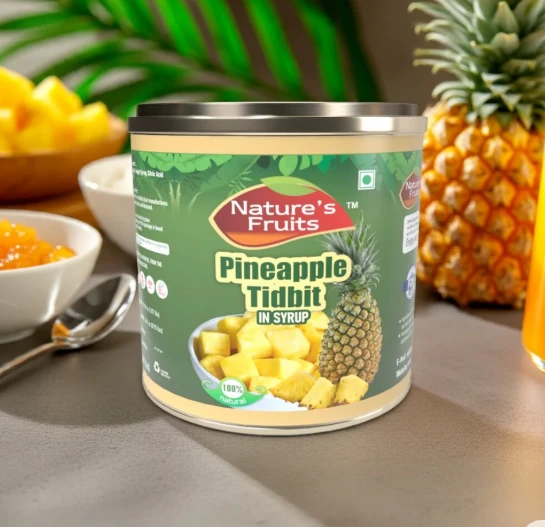
Canned pineapple slices are a popular pantry staple enjoyed worldwide for their sweet tropical flavor, long shelf life, and incredible versatility in cooking. Whether used in desserts, savory dishes, beverages, or eaten straight from the can, these ready-to-eat fruit slices provide a convenient way to enjoy pineapple year-round without the effort of peeling and cutting fresh fruit. Over the years, canned pineapple has become an essential ingredient in both home kitchens and commercial food preparation.
What Are Canned Pineapple Slices?
Canned pineapple slices are rings of pineapple that have been peeled, cored, sliced, and preserved in cans using syrup, juice, or water. The canning process involves sealing the fruit in airtight containers and heating them to eliminate microorganisms, ensuring long-term preservation while maintaining flavor and texture.
Typically, pineapple slices are packed in one of three liquids:
- Heavy syrup – sweeter and richer, often used for desserts.
- Light syrup or juice – balances sweetness while keeping natural flavor.
- Natural juice or water – a healthier option with reduced added sugar.
This processing allows consumers to enjoy pineapple even when fresh fruit is not in season.
Nutritional Benefits
Despite being processed, canned pineapple slices still retain many nutritional benefits associated with fresh pineapple. They are a good source of essential vitamins and minerals, particularly vitamin C, which supports immune health and skin function.
Key nutrients found in canned pineapple slices include:
- Vitamin C – helps strengthen immunity and acts as an antioxidant.
- Manganese – supports bone health and metabolism.
- Dietary fiber – aids digestion.
- Natural carbohydrates – provide quick energy.
However, nutritional value may vary depending on the packing liquid. Pineapple packed in heavy syrup contains higher sugar content and calories compared to fruit canned in juice or water. For health-conscious consumers, choosing varieties labeled “no added sugar” is often recommended.
Convenience and Shelf Life
One of the biggest advantages of canned pineapple slices is convenience. Fresh pineapples require peeling, coring, and slicing, which can be time-consuming and messy. Canned versions eliminate preparation work entirely.
Additionally, canned pineapple has a long shelf life, often lasting one to two years when stored in a cool, dry place. This makes it ideal for emergency food storage, bulk cooking, and households that want reliable fruit availability without frequent shopping.
Once opened, the pineapple should be transferred to a sealed container and refrigerated, typically lasting three to five days.
Culinary Uses
Canned pineapple slices are incredibly versatile and can be used in a wide range of recipes across cuisines.
1. Desserts
Perhaps the most famous use is in desserts. Pineapple slices are commonly used in cakes, pastries, and puddings. Pineapple upside-down cake, for example, relies on the uniform shape of canned slices for its classic appearance.
They can also be added to:
- Fruit salads
- Custards
- Ice creams
- Tarts and pies
2. Savory Dishes
Pineapple’s sweet and tangy flavor pairs well with savory foods. Many cuisines use pineapple slices to balance salty or spicy flavors.
Popular savory uses include:
- Grilled pineapple alongside meats
- Sweet-and-sour dishes
- Pizza toppings
- Glazed ham recipes
The fruit’s acidity helps tenderize meats and enhances flavor complexity.
3. Beverages and Smoothies
Canned pineapple slices blend easily into drinks. They are frequently used in:
- Smoothies
- Mocktails and cocktails
- Tropical juices
- Milkshakes
Using canned pineapple ensures consistent sweetness without worrying about fruit ripeness.
Storage Tips
Proper storage ensures quality and safety:
- Store unopened cans in a cool, dry area.
- Avoid dented or bulging cans.
- Refrigerate leftovers in a glass or plastic container rather than leaving them in the opened can.
- Use clean utensils to prevent contamination.
Following these practices helps maintain freshness and flavor.
Environmental and Economic Benefits
Canned pineapple also contributes to reducing food waste. Since it lasts longer than fresh fruit, households are less likely to discard spoiled produce. Economically, canned fruit is often more affordable and accessible, especially in regions where fresh tropical fruits are expensive or unavailable.
Modern food manufacturers increasingly focus on sustainable sourcing and recyclable packaging, improving the environmental footprint of canned goods.
Choosing Quality Canned Pineapple
When buying canned pineapple slices, consider:
- Ingredient list (shorter is better).
- Juice-packed or water-packed options for lower sugar.
- BPA-free cans where available.
- Firm, evenly colored slices.
Reading labels helps consumers make choices aligned with their dietary preferences.
Conclusion
Canned pineapple slices combine convenience, nutrition, and versatility, making them a valuable addition to any kitchen. From desserts and savory meals to beverages and snacks, their sweet tropical flavor enhances countless recipes. While fresh pineapple has its advantages, canned pineapple offers consistent quality, long storage life, and ease of use that suits modern lifestyles.