
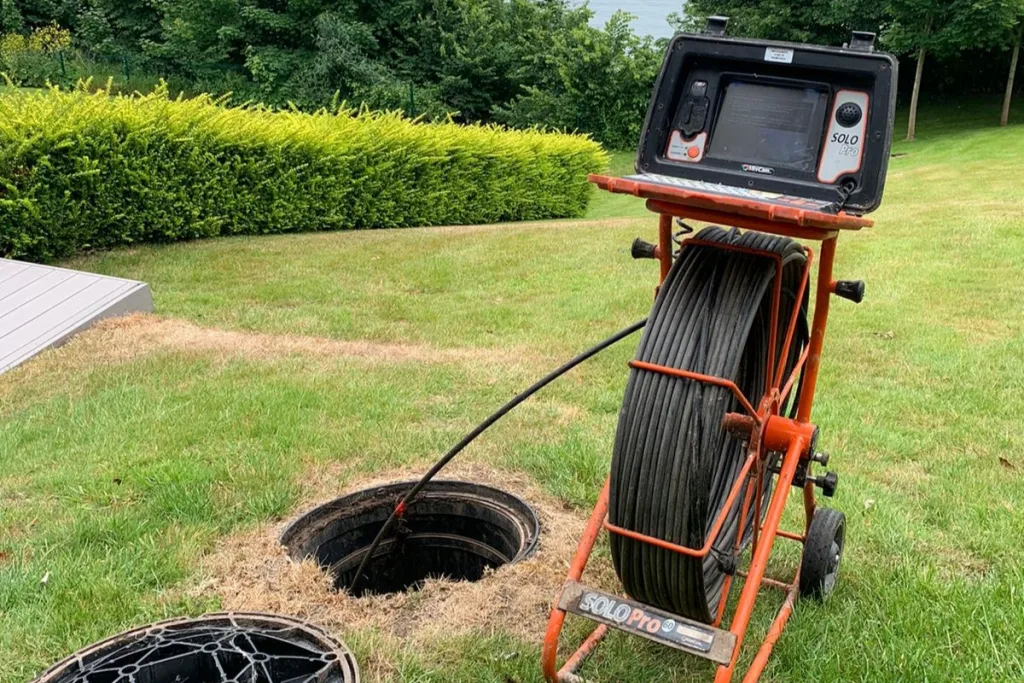
Drainage systems play a vital role in keeping homes and businesses safe, hygienic, and functional. Despite their importance, they are often overlooked until a problem arises. Slow-draining sinks, recurring blockages, unpleasant odours, and overflowing drains are all signs that something may be wrong beneath the surface. Unfortunately, most drainage issues develop underground, making them impossible to diagnose without specialist equipment.
This is where a CCTV Drain Survey becomes invaluable. Modern camera technology allows drainage engineers to inspect the inside of pipes without excavation, providing a clear and accurate picture of a drainage system's condition. Whether you are dealing with a recurring blockage, purchasing a property, or planning preventative maintenance, a professional drain survey can provide the information needed to make informed decisions.
What Is a CCTV Drain Survey?
A CCTV Drain Survey involves inserting a specialist waterproof camera into a drainage system through an access point such as a manhole or inspection chamber. The camera travels through the pipework while transmitting live footage to a monitor above ground.
This process enables engineers to inspect the internal condition of pipes in real time and identify defects that would otherwise remain hidden. The footage can also be recorded and reviewed later as part of a detailed drainage report.
Unlike traditional investigative methods, CCTV inspections require little or no excavation, making them a highly efficient and cost-effective solution.
Why Drainage Inspections Are Important
Many drainage issues begin as minor defects that gradually worsen over time. A small crack, partial blockage, or root intrusion may not initially cause noticeable symptoms, but if left untreated, these problems can eventually lead to severe structural damage or complete drainage failure.
Regular inspections help property owners:
- Identify hidden drainage problems early
- Prevent costly emergency repairs
- Improve drainage performance
- Reduce the risk of flooding
- Support insurance claims
- Protect property value
- Assist with maintenance planning
By detecting issues before they escalate, inspections often save significant time and money.
Common Problems Found During Drain Surveys
Professional drainage inspections frequently reveal issues that would otherwise go unnoticed until major disruption occurs.
Blockages
Grease, food waste, soap residue, wet wipes, and foreign objects can accumulate within pipework and restrict water flow. Over time, these obstructions can develop into complete blockages.
Tree Root Intrusion
Tree roots naturally seek moisture and can enter drainage pipes through damaged joints or cracks. Once inside, they continue to grow and obstruct water flow.
Cracked or Fractured Pipes
Ground movement, age-related wear, and external pressure can cause pipes to crack. These defects may allow water leakage and increase the risk of root ingress.
Displaced Joints
Drainage pipe joints can become misaligned due to ground settlement or external forces. This can disrupt flow and contribute to recurring drainage problems.
Collapsed Pipe Sections
In severe cases, parts of the drainage network may collapse entirely, requiring specialist repair work to restore functionality.
How Modern Inspection Technology Works
Drainage camera technology has advanced significantly over recent years. Today's inspection systems provide high-definition footage capable of revealing even minor defects within pipework.
Engineers can assess:
- Pipe condition
- Structural integrity
- Root intrusion
- Scale buildup
- Blockages
- Water flow patterns
- Drainage connections
The detailed information collected during an inspection allows accurate diagnosis and targeted repair recommendations.
Benefits of Professional Drain Surveys
Accurate Problem Identification
One of the biggest advantages of modern inspections is the ability to identify the exact cause and location of a drainage issue. This removes guesswork and helps ensure repairs are carried out efficiently.
Reduced Repair Costs
Early detection often prevents small defects from developing into major structural failures. Addressing issues promptly can significantly reduce long-term repair expenses.
Minimal Disruption
Most surveys can be completed using existing access points without the need for excavation. This minimises disruption to gardens, driveways, landscaping, and buildings.
Faster Repairs
Knowing precisely where a problem is located enables engineers to develop effective repair strategies quickly and accurately.
Long-Term Property Protection
Regular inspections help maintain healthy drainage systems and reduce the likelihood of unexpected emergencies that may damage property.
When Should You Arrange a Drain Survey?
There are several situations where a professional drainage inspection can be especially beneficial.
Before Buying a Property
Standard property surveys often do not include detailed drainage inspections. Hidden drainage defects can become the responsibility of the new owner after purchase.
Recurring Drainage Issues
Repeated blockages often indicate a deeper underlying problem that requires investigation.
Property Renovations
Construction work near drainage infrastructure may require inspections before and after the project to verify pipe condition.
Insurance Purposes
Drainage reports can provide valuable evidence when making insurance claims related to drainage damage.
Preventative Maintenance
Routine inspections help identify developing issues before they become expensive emergencies.
Residential and Commercial Applications
Drain surveys are suitable for a wide range of property types.
Residential property owners often use inspections to investigate drainage concerns, maintain property value, and avoid future repair costs.
Commercial properties benefit from inspections by reducing operational risks and supporting preventative maintenance programmes. Restaurants, hotels, warehouses, offices, schools, healthcare facilities, and retail premises all rely on effective drainage systems to operate efficiently.
Regardless of the property type, understanding the condition of underground pipework helps support better maintenance decisions.
Why Professional Expertise Matters
While inspection technology is extremely effective, interpreting the footage correctly requires experience and technical knowledge. Professional drainage engineers understand how to identify defects, assess their severity, and recommend appropriate solutions.
At Precise Drainage Solutions, experienced engineers use advanced inspection equipment to provide detailed assessments of drainage systems. Every survey is carried out with accuracy and professionalism, helping property owners understand exactly what is happening beneath the surface.
Professional reports also provide valuable documentation that can support maintenance planning, property transactions, and insurance requirements.
Protect Your Drainage System Before Problems Escalate
Many drainage issues remain hidden until they cause significant disruption. Waiting until a blockage, leak, or structural failure occurs can lead to unnecessary repair costs and inconvenience.
Regular inspections provide a proactive way to identify potential concerns and address them before they develop into serious problems. Whether you own a home, manage a commercial property, or are purchasing a new building, understanding the condition of your drainage infrastructure is essential.
Get Expert Assistance Today
If you are experiencing drainage problems or want a clearer understanding of your drainage system's condition, arrange a professional CCTV Drain Survey today. Contact Local Drainage Solutions to book an inspection and receive expert guidance from experienced drainage specialists who can help keep your drainage system operating efficiently for years to come.
Frequently Asked Questions
What does a CCTV drain survey detect?
A CCTV drain survey can identify blockages, cracks, root intrusion, displaced joints, collapsed pipes, scale buildup, and other drainage defects.
How long does a drain survey take?
Most inspections are completed within one to two hours, depending on the size and complexity of the drainage system.
Is excavation required during a CCTV drain survey?
No. Most surveys are completed through existing access points without the need for disruptive excavation.
Are CCTV drain surveys suitable for commercial properties?
Yes. Commercial properties frequently use drain surveys to support maintenance programmes and minimise operational risks.
How often should drains be inspected?
The frequency depends on property usage and condition, but periodic inspections can help identify issues before they become major drainage problems.