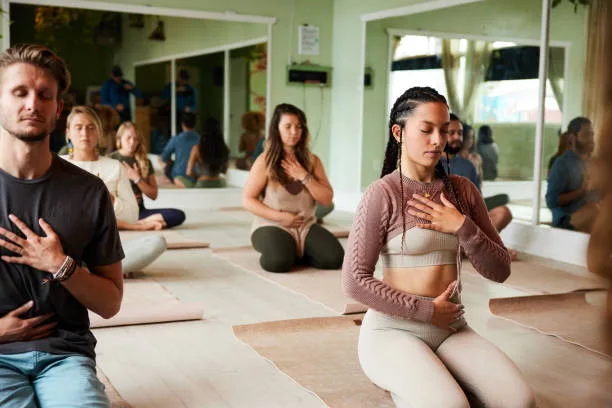
In today’s busy world, finding time to slow down, relax, and reconnect with yourself can feel challenging. Chakra healing and meditation offer a holistic approach to supporting emotional balance, mindfulness, and inner well-being. By combining meditation practices with chakra-focused techniques, many people use this approach to become more aware of their thoughts, emotions, and overall sense of balance.
Whether you are new to meditation or already have an established mindfulness practice, learning about the chakras can provide a meaningful framework for self-reflection and personal growth.
What Is Chakra Healing?
Chakras are traditionally described in yogic and spiritual traditions as energy centres located throughout the body. The word "chakra" comes from Sanskrit and is commonly translated as "wheel" or "disk." There are seven primary chakras, each associated with different aspects of physical, emotional, and spiritual well-being.
The seven main chakras are commonly identified as:
- Root Chakra: Associated with grounding, stability, and a sense of security.
- Sacral Chakra: Connected with creativity, emotions, pleasure, and relationships.
- Solar Plexus Chakra: Linked with confidence, motivation, and personal power.
- Heart Chakra: Associated with compassion, love, forgiveness, and connection.
- Throat Chakra: Connected with communication, self-expression, and speaking authentically.
- Third Eye Chakra: Often associated with intuition, awareness, and inner wisdom.
- Crown Chakra: Linked with spirituality, consciousness, and a sense of connection.
Chakra healing practices aim to encourage a sense of balance between these energy centres. Depending on the tradition or practitioner, these practices may include meditation, yoga, breathwork, visualisation, sound, affirmations, or other mindfulness techniques.
It is important to understand that chakra healing is a spiritual and complementary practice rather than a medically proven treatment for physical or mental health conditions.

How Meditation Connects With Chakra Healing
Meditation is a practice that encourages focused attention and present-moment awareness. When combined with chakra work, meditation can help you focus your attention on specific areas of the body while reflecting on associated emotions, intentions, or personal experiences.
A chakra healing and meditation session may begin with a few minutes of slow breathing. Once the body feels relaxed, you can gradually bring your attention to each chakra, starting with the root and moving upwards. During this process, you may visualise different colours traditionally associated with each chakra or repeat a positive affirmation.
For example, while focusing on the heart chakra, you might reflect on feelings of compassion and gratitude. When concentrating on the throat chakra, you could consider how honestly and clearly you express your thoughts and feelings.
The goal is not necessarily to achieve a specific sensation or experience. Instead, the practice can provide an opportunity to pause, observe your inner world, and cultivate greater self-awareness.
Benefits of Chakra Healing and Meditation
People practise chakra meditation for a variety of personal and spiritual reasons. While individual experiences vary, meditation itself is widely used as a tool for relaxation, mindfulness, and stress management.
Some potential benefits of a regular practice may include:
Greater Self-Awareness
Focusing on different areas of the body and their symbolic associations can encourage deeper reflection. You may become more aware of recurring thoughts, emotions, habits, and personal challenges.
Reduced Stress and Relaxation
Meditation often involves slow breathing and focused attention, which can create a calming routine. Taking even a few quiet minutes each day can help you step away from everyday distractions and create space for relaxation.
Emotional Reflection
Chakra-focused meditation can provide a structured way to reflect on emotions. For example, you might explore feelings related to confidence, communication, relationships, or self-acceptance.
Improved Mindfulness
Regular meditation encourages you to pay attention to the present moment. Over time, this may help you become more conscious of your thoughts and reactions without immediately judging them.
A Greater Sense of Spiritual Connection
For people who follow spiritual traditions that incorporate chakras, meditation can become a way to explore personal beliefs, intuition, and a deeper sense of connection.
How to Practise Chakra Meditation at Home
You do not need a complicated setup to begin. Find a quiet and comfortable place where you can sit or lie down without interruption.
Start by taking several slow, comfortable breaths. Allow your attention to settle on the present moment. Then, mentally move your awareness through the seven main chakras, beginning at the base of the spine and gradually moving towards the top of the head.
As you focus on each chakra, imagine its traditional colour and consider the qualities associated with it. You might silently repeat an affirmation that feels meaningful to you.
For example, you could use affirmations such as:
- "I feel grounded and supported."
- "I welcome creativity into my life."
- "I trust my inner strength."
- "I give and receive love openly."
- "I express myself clearly and honestly."
- "I trust my intuition."
- "I am open to greater awareness."
Spend a few moments with each chakra, breathing naturally and observing whatever thoughts or feelings arise. When you finish, take a few deep breaths and slowly return your attention to your surroundings.
Creating a Consistent Practice
Like any form of meditation, consistency can be more valuable than duration. You might begin with five to ten minutes each day and gradually increase your practice as it becomes more comfortable.

Some people enjoy combining chakra meditation with gentle yoga, journaling, breathing exercises, or calming music. The most important thing is to create a routine that feels comfortable and supportive for you.
Final Thoughts
Chakra healing and meditation can offer a reflective approach to mindfulness and spiritual well-being. By focusing on the seven traditional chakras, practitioners can create a structured meditation routine centred around themes such as grounding, creativity, confidence, compassion, communication, intuition, and spiritual awareness.
Whether you view chakras as spiritual energy centres or simply use them as a framework for personal reflection, meditation can be a valuable practice for creating moments of calm and self-awareness. Start slowly, practise consistently, and allow your experience to develop naturally over time.