
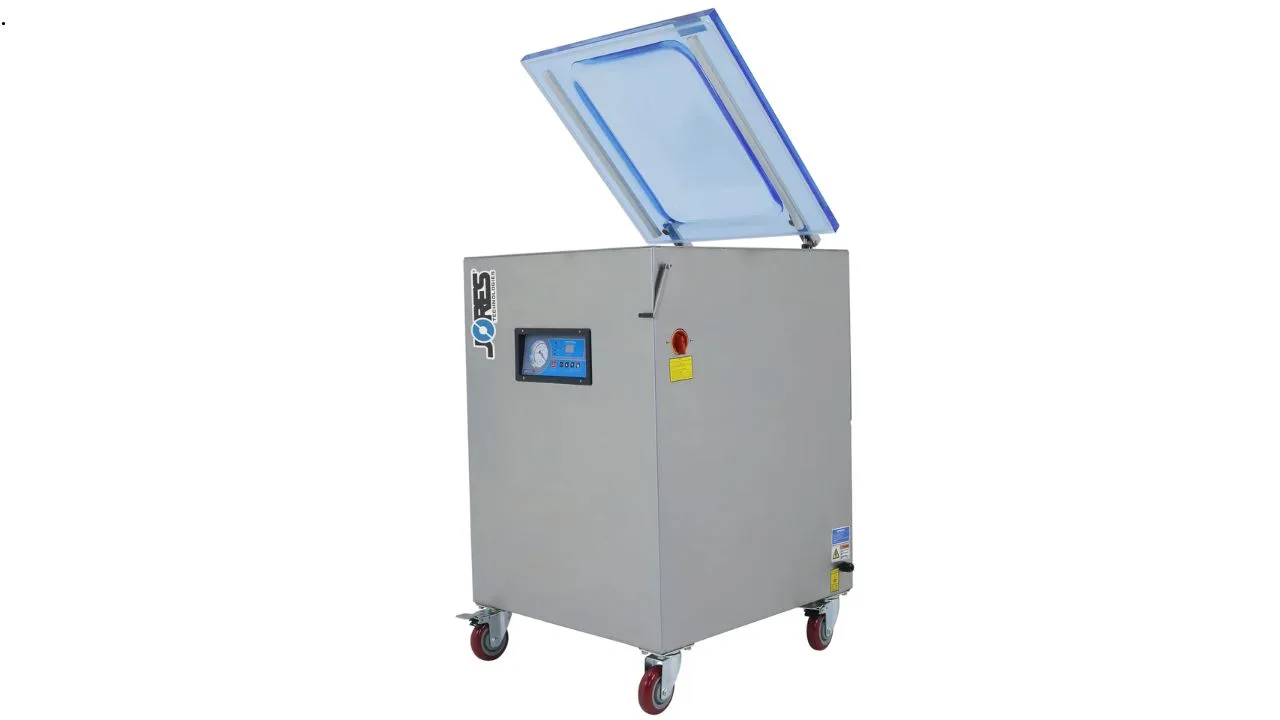
Chamber vacuum sealers play a key role in industrial packaging, delivering controlled sealing performance across food, pharmaceutical, chemical, agricultural, and logistics operations. Meeting zoning requirements for chamber vacuum sealer installation requires coordination between equipment specifications, facility layout, electrical systems, fire protection, and applicable local codes.
There is no single nationwide zoning standard specifically governing every chamber vacuum sealer installation. Requirements can vary according to the facility, equipment configuration, products handled, building classification, and local authority having jurisdiction.
Start by addressing the electrical and facility requirements that govern proper chamber vacuum sealer installation practices throughout the United States.
Electrical and Ventilation Codes for Installation
Electrical and ventilation considerations shape how you plan for a chamber vacuum sealer for industrial packaging.
When installing, confirm that the electrical requirements meet applicable provisions of NFPA 70, the National Electrical Code, as adopted and enforced by the relevant jurisdiction. The circuit should be appropriately rated, grounded, and configured for the machine's specified electrical load.
Ventilation requirements depend on the facility and the processes taking place around the equipment. Facilities handling chemicals, volatile materials, heat-generating processes, or other controlled substances may have additional ventilation requirements beyond those applicable to standard packaging operations.
Equipment manuals should be reviewed alongside facility drawings before installation. Proper coordination between electrical, HVAC, production, and maintenance teams helps identify utility requirements and access needs before equipment is positioned.
Proper Clearances Around Industrial Sealers
Proper clearances around industrial sealing machines support safe operation, operator access, and routine maintenance. The required space should be determined using applicable building and workplace requirements together with the manufacturer's installation specifications.
- Accessible Work Aisles: Maintain sufficient space around the chamber vacuum sealer for operators and maintenance personnel to access controls, electrical components, and service areas without obstruction.
- Adequate Airflow Space: Keep machine vents and cooling areas clear of walls, equipment, stored materials, and other obstructions. Restricted airflow can affect equipment operating temperature and performance.
- Material Handling Room: Provide sufficient space for loading, unloading, and movement of packaging materials. Where conveyors or pallet-handling equipment are integrated into the line, account for their operating envelope and maintenance access when planning the layout.
Compliance with Food Facility Zones
Maintaining appropriate separation between processing activities is important when installing a chamber vacuum sealer in food-production facilities. The specific zoning and sanitation requirements depend on the facility's products, processes, regulatory framework, and sanitation program.
Equipment surfaces that contact packaging or product should be maintained according to applicable sanitation procedures. Areas surrounding the machine should also be accessible for cleaning and inspection.
Nearby Filling Machines, Conveyor Machines, and other Industrial Equipment should be positioned so that personnel movement, material flow, cleaning procedures, and maintenance access do not create avoidable contamination risks.
Drainage and washdown requirements should also be considered when positioning equipment in wet-processing environments. Facilities should prevent standing water and manage wastewater according to applicable sanitation and facility requirements.
Local Fire Safety Regulations for Equipment
Local fire safety regulations can affect chamber vacuum sealer placement depending on the materials being processed, stored, or transported through the facility. Equipment layout should be reviewed alongside the building's fire-protection system and applicable local requirements.
- Commodity Classification: Products and packaging materials should be classified according to the applicable fire-protection requirements. Storage arrangements and combustible packaging quantities can affect facility fire-protection design.
- Sprinkler System Configuration: Existing sprinkler systems should be evaluated against the facility's current storage configuration and hazard classification. Changes to production layouts or material storage may require review by qualified fire-protection professionals.
- Inspection, Testing, Maintenance: Fire-protection systems require inspection and maintenance according to applicable codes and facility procedures. Keeping these systems properly maintained helps protect production areas and supports operational continuity.
Chamber vacuum sealer zoning requirements in the USA shape how industrial users select, install, and maintain their equipment. Because requirements vary by jurisdiction and facility conditions, businesses should verify applicable electrical, fire, workplace, sanitation, and building requirements before installation.
Selecting a sealing machine based on documented specifications and facility requirements supports reliable workflow integration. Technopack provides industrial packaging equipment along with U.S.-based support and replacement parts to help production teams manage equipment installation, maintenance, and ongoing operation.