
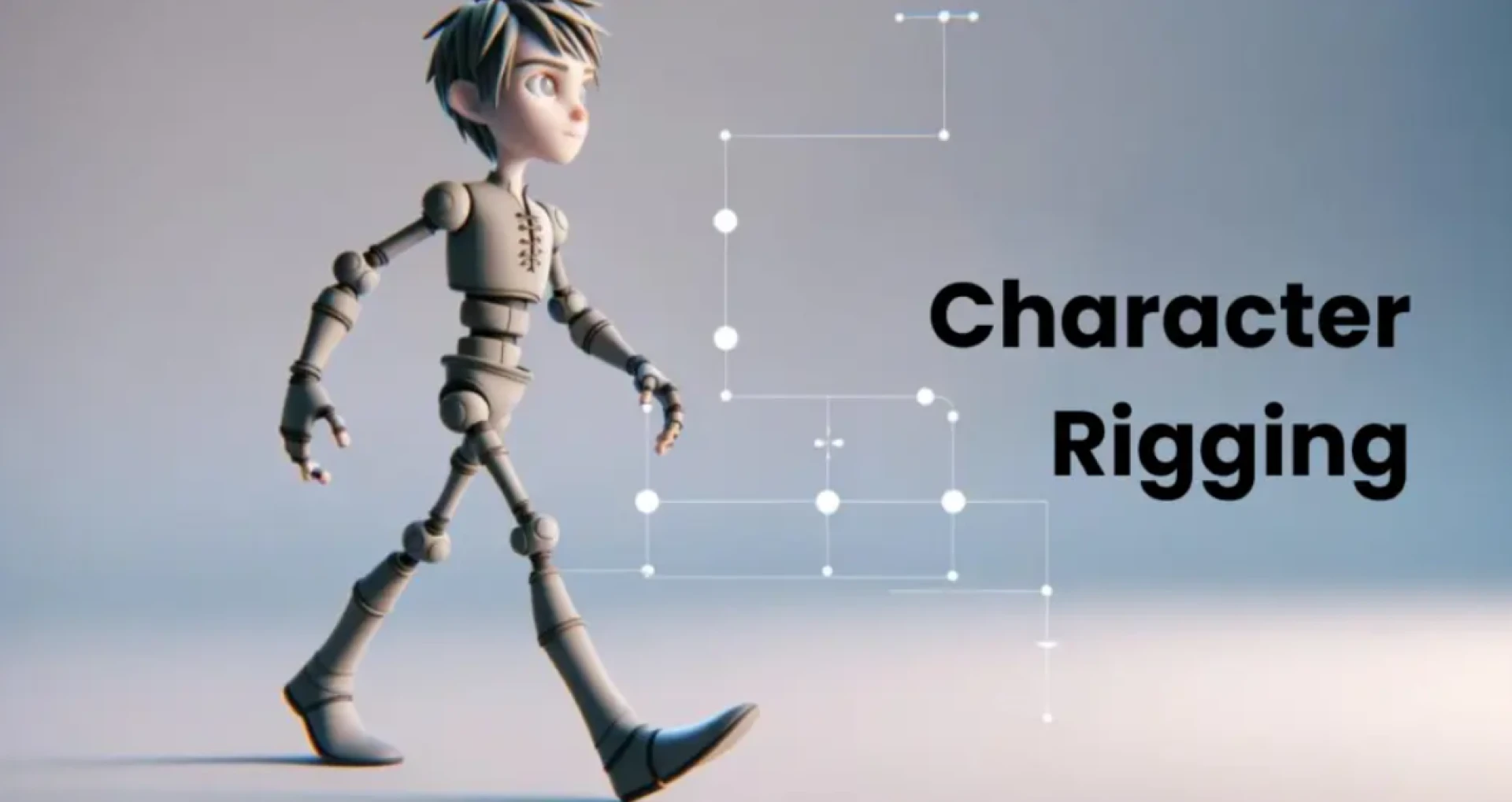
Character rigging is a fundamental process in 3D animation that involves creating a digital skeleton for a character. This skeleton allows animators to control the movements, expressions, and poses of characters in movies, video games, advertisements, and virtual reality experiences. With the entertainment industry growing rapidly, character rigging jobs are becoming increasingly in demand, offering exciting opportunities for skilled artists and technicians.
What Is Character Rigging?
Character rigging is the backbone of 3D character animation. Without a rig, a 3D model remains static and lifeless. Rigging involves placing a hierarchical structure of bones inside a model, defining how joints move, and adding control handles for animators to manipulate. This process ensures smooth and realistic movements, from simple actions like walking to complex ones like dancing or fighting.
Skills Required for Character Rigging Jobs
To succeed in character rigging jobs, candidates need a mix of technical and artistic skills. Knowledge of 3D software like Maya, Blender, or 3ds Max is essential. Understanding anatomy, motion mechanics, and facial expressions helps create rigs that behave naturally. Additionally, familiarity with scripting languages such as Python or MEL can streamline rigging workflows and automate repetitive tasks. Problem-solving skills are crucial because rigs often need customization to fit unique character designs.
Types of Character Rigging Jobs
There are several specializations within character rigging jobs. Body rigging focuses on creating skeletal structures for humanoid and animal models. Facial rigging deals with controlling expressions, lip-sync, and emotional nuances. Creature rigging is a niche area where artists work on fantastical or hybrid characters, requiring imaginative approaches to movement. Many professionals in the industry start as general riggers and later specialize based on their strengths and interests.
Where Character Rigging Jobs Are Found
Character rigging jobs are available in various sectors of the 3D animation industry. Film studios, game development companies, and advertising agencies frequently hire rigging artists. Freelancers can also find opportunities on online platforms, creating rigs for independent projects or virtual reality experiences. For those exploring career paths, learning more about rigging tools and techniques can be helpful — click here for more info to dive deeper into character rigging.
Salary and Career Growth
The salary for character rigging jobs varies depending on experience, location, and industry. Entry-level riggers may start with moderate salaries, but as they gain expertise and build a portfolio of successful projects, earnings can increase significantly. Senior riggers and technical directors often enjoy lucrative packages and leadership roles within animation teams. With continuous demand for high-quality animations in movies, games, and VR, career growth in character rigging remains strong.
Tips for Landing Character Rigging Jobs
To secure character rigging jobs, aspiring artists should focus on building a strong demo reel that showcases rigging versatility and problem-solving skills. Networking within the 3D animation community, attending workshops, and contributing to collaborative projects can enhance visibility. Staying updated with new software tools and rigging techniques also keeps a professional competitive in this evolving field.
Conclusion
Character rigging jobs play a vital role in bringing 3D characters to life. They combine creativity, technical expertise, and problem-solving to create animations that captivate audiences. Whether working in film, video games, or virtual reality, skilled riggers are essential to the animation pipeline. For those passionate about 3D animation and character movement, pursuing a career in character rigging offers both challenge and reward, making it a highly sought-after profession in the digital arts industry.