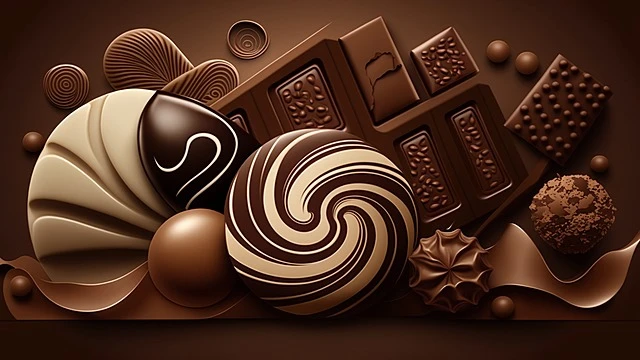
Chocolate is one of the most widely enjoyed foods in the world. It is part of daily routines, special occasions, and cultural traditions across many regions. Whether eaten on its own or used in desserts and drinks, chocolate has a unique ability to bring comfort and enjoyment. Its appeal comes not only from taste but also from texture, aroma, and versatility.Over time, chocolate has evolved from a traditional treat into a refined product with many varieties. Today, people pay closer attention to quality, ingredients, and how chocolate is made.
What Chocolate Is Made From
Chocolate is produced using cocoa beans, which come from the cacao tree. After harvesting, the beans go through fermentation, drying, roasting, and grinding. This process develops the deep flavors associated with chocolate.The basic ingredients of chocolate include cocoa solids, cocoa butter, and sugar. Some varieties also contain milk or natural flavor additions. The balance of these ingredients determines whether the chocolate is dark, milk, or white.
Different Types of Chocolate
Chocolate comes in several forms, each offering a distinct experience. Dark chocolate contains a higher percentage of cocoa solids and is known for its rich, intense flavor. Milk chocolate includes milk solids, giving it a smoother and sweeter taste. White chocolate is made from cocoa butter without cocoa solids, resulting in a creamy texture.Each type appeals to different preferences. Some people enjoy the bold taste of dark chocolate, while others prefer the mild sweetness of milk chocolate. This variety allows chocolate to suit many tastes.
Texture, Flavor, and Quality
The quality of chocolate is often judged by its texture and flavor balance. High-quality chocolate melts smoothly in the mouth and delivers a consistent taste without bitterness or graininess.Flavor depends on cocoa content, ingredient quality, and production methods. Well-made chocolate offers depth, with subtle notes that develop as it melts. Lower-quality chocolate may taste overly sweet or flat due to excessive sugar or artificial additives.
For many consumers, texture and flavor consistency are key factors when choosing chocolate.
Chocolate in Food and Beverages
Chocolate is used in a wide range of food products. It appears in baked goods such as cakes, cookies, and pastries. It is also used in drinks like hot chocolate, milkshakes, and specialty coffee beverages.In desserts, chocolate adds richness and depth. In beverages, it provides warmth and comfort. Its ability to blend with other ingredients makes it a favorite among chefs and home cooks alike.
Cultural and Social Significance
Chocolate holds cultural importance in many societies. It is commonly associated with celebrations, gifting, and social gatherings. From holidays to personal milestones, chocolate often plays a role in expressing appreciation and care.In many cultures, sharing chocolate is seen as a gesture of kindness. This emotional connection adds to its lasting popularity and makes each chocolate bar more than just a simple food item.
Ingredient Awareness and Modern Preferences
Modern consumers are more aware of what goes into their food. As a result, ingredient transparency has become important in chocolate production. Many people look for chocolate made with natural ingredients and minimal processing.There is also growing interest in chocolate with higher cocoa content and reduced sugar. These preferences reflect changing attitudes toward taste and quality rather than quantity.
Storage and Shelf Life
Proper storage helps preserve the quality of chocolate. It should be kept in a cool, dry place away from direct sunlight. Exposure to heat can cause melting, while moisture can affect texture.When stored correctly, chocolate maintains its flavor and appearance for a longer time. Simple storage practices help prevent issues such as blooming, which occurs when cocoa butter rises to the surface.
Why Chocolate Remains Popular
Chocolate has maintained its popularity for centuries because it adapts to changing tastes while retaining its core appeal. It can be enjoyed casually or as part of a refined experience. Its flexibility allows it to remain relevant across generations.
Whether consumed daily or saved for special moments, chocolate continues to be a trusted source of enjoyment.
Final Thoughts
Chocolate is more than a sweet treat. It represents comfort, tradition, and creativity. From its ingredients to its cultural value, chocolate holds a unique place in everyday life.By understanding its varieties, quality factors, and proper handling, people can enjoy chocolate in a way that matches their preferences. Its lasting appeal proves that chocolate remains a timeless favorite across the world.
For more related articles visit here