For homeowners in urban neighborhoods like Bushwick, Brooklyn, one of the most common and often confusing decisions is whether to repair an existing roof or invest in a full replacement. At first glance, repairs seem like the more affordable and convenient option, but the long-term picture is not always so straightforward. The right choice depends on a combination of factors, including the age of the roof, the extent of damage, the type of materials used, and the overall condition of the home’s exterior.
Roofs in city environments endure far more stress than those in less dense areas. Constant exposure to pollution, temperature fluctuations, and heavy seasonal weather can accelerate wear and tear. Over time, even small issues can develop into larger structural concerns. This is why it’s important to evaluate not just the visible damage but also the underlying condition of the roofing system before deciding on a repair or replacement.
One of the first things to consider is the age of the roof. Most roofing materials have an expected lifespan. Asphalt shingles typically last between 20 to 30 years, while flat roofing systems may require attention even sooner depending on maintenance. Slate and clay tile roofs can last significantly longer, but they are not immune to damage. If a roof is nearing the end of its expected life, repairs may only offer a temporary solution. In such cases, a full replacement often proves to be more cost-effective over time, reducing the need for repeated fixes.
The extent of damage is another critical factor. Minor issues such as a few missing shingles, small leaks, or localized damage can often be addressed through targeted repairs. These types of problems are usually caused by isolated incidents like strong winds or minor water infiltration. However, when damage is widespread—such as multiple leaks, sagging areas, or significant structural weakening—a repair approach may not be sufficient. Attempting to patch up extensive damage can lead to recurring issues and higher cumulative costs.
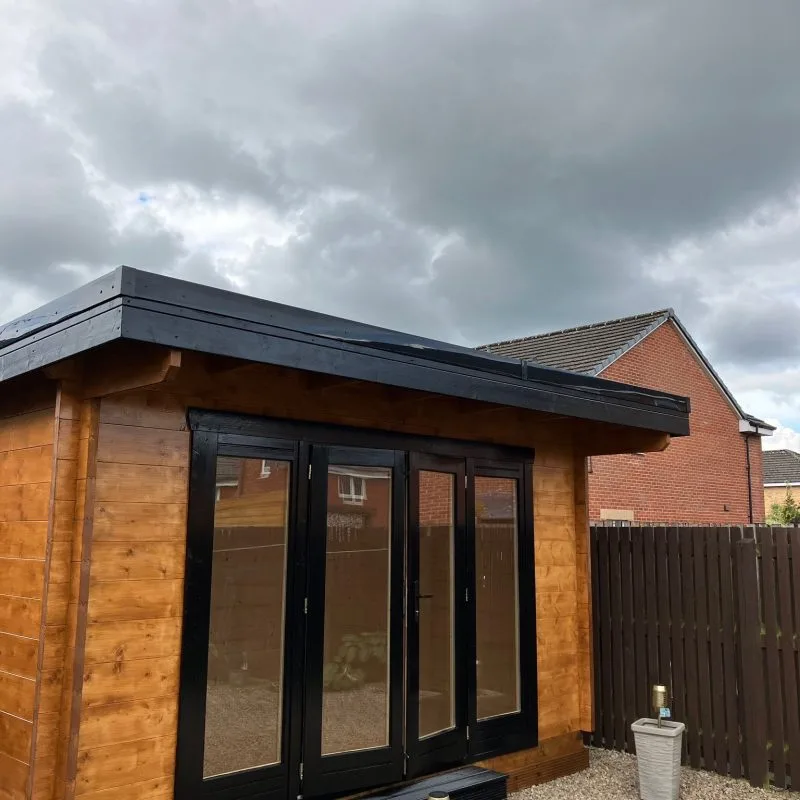
Urban homes, particularly in Brooklyn, often feature flat roofs, which require a different approach compared to sloped roofing systems. Flat roofs are more prone to water pooling, and even small drainage issues can lead to long-term damage. If the membrane is compromised in multiple areas, repairs might not effectively restore the roof’s integrity. In these situations, replacing the entire system ensures that drainage, insulation, and waterproofing are properly addressed.
Another aspect that homeowners should not overlook is energy efficiency. Older roofing systems may lack proper insulation and ventilation, leading to higher energy bills and reduced indoor comfort. A full roof replacement provides an opportunity to upgrade materials and improve ventilation systems, which can make a noticeable difference in energy performance. This is especially important in urban settings, where heat retention is a common issue due to closely packed buildings and limited airflow.
Cost is naturally a major consideration when deciding between repair and replacement. Repairs typically require a smaller upfront investment, making them appealing for homeowners working within a limited budget. However, it’s important to look beyond the immediate expense. Frequent repairs can quickly add up, sometimes exceeding the cost of a full replacement over time. On the other hand, a new roof represents a larger initial investment but offers long-term stability, fewer maintenance issues, and increased property value.
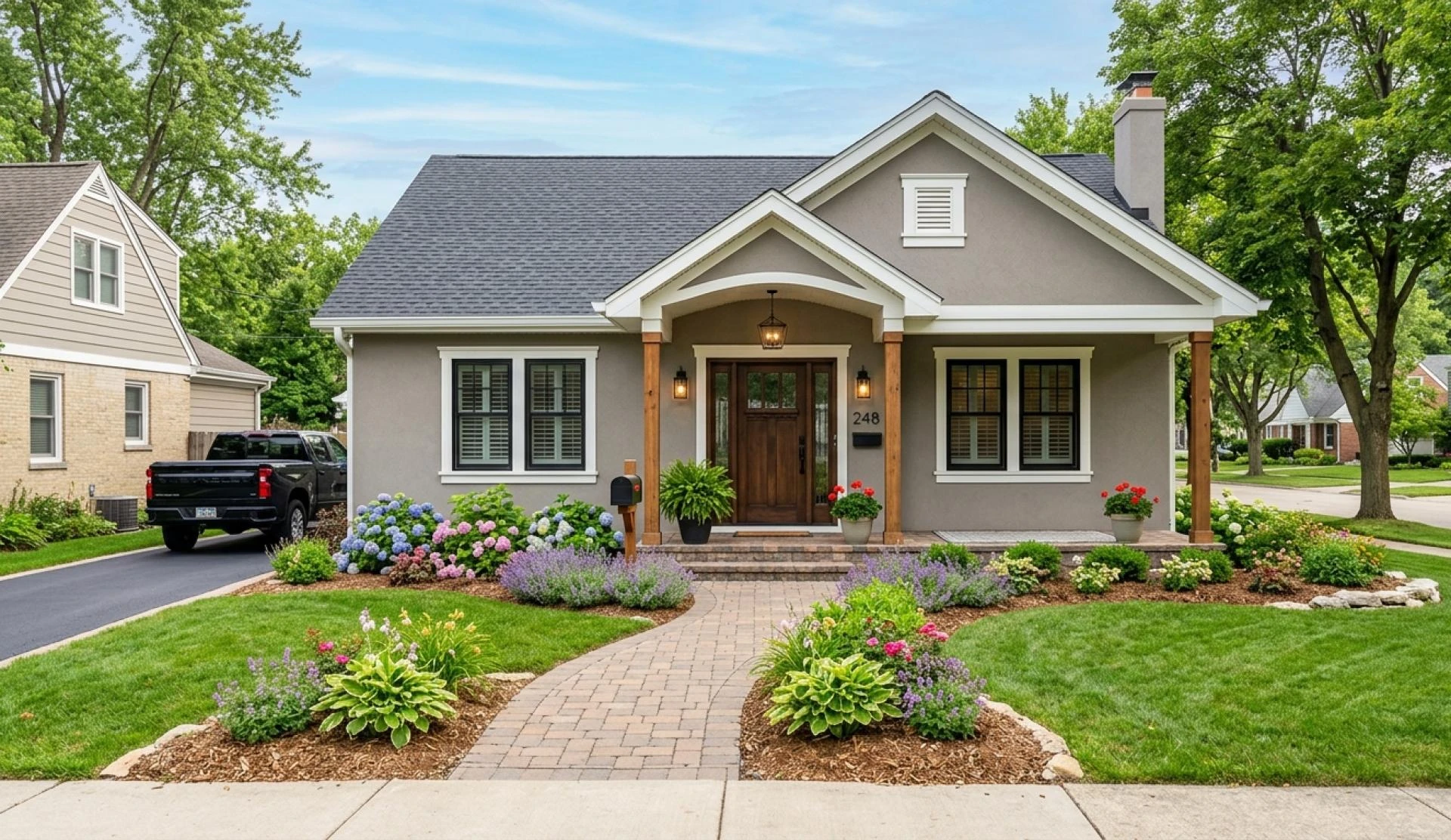
The condition of surrounding exterior elements also plays a role in this decision. Components such as siding, fascia, soffits, and gutters all work together to protect the home. If these elements are also showing signs of wear, it may make more sense to consider a comprehensive upgrade rather than focusing solely on the roof. Addressing all these components at once can improve the overall durability and appearance of the property while preventing future complications.
Professional assessment is essential when weighing these options. While some signs of damage are easy to spot, others require a trained eye. Roofing experts can conduct a thorough inspection, identifying hidden issues that may not be visible from the ground. They can also provide guidance on whether repairs will be sufficient or if replacement is the more practical solution. This kind of evaluation helps homeowners make informed decisions based on the actual condition of their roof rather than assumptions.
In many cases, the decision also comes down to long-term goals. If a homeowner plans to stay in the property for many years, investing in a full replacement may offer greater peace of mind and financial benefits. A new roof not only enhances protection but also improves curb appeal, which can be valuable even if selling is not an immediate priority. For those planning to move in the near future, strategic repairs might be enough to maintain the property’s condition without making a large investment.
Another important consideration is how well the current roof has been maintained. A roof that has received regular inspections and timely repairs is more likely to be a good candidate for continued maintenance. Conversely, a neglected roof with multiple unresolved issues may require a complete overhaul. Maintenance history can significantly influence the effectiveness of repair efforts and the overall lifespan of the roofing system.
Weather patterns in Brooklyn also play a role in determining the best course of action. Harsh winters, heavy rainfall, and occasional storms can expose weaknesses in aging roofs. If a roof struggles to withstand these conditions year after year, replacement may be the more reliable option. A new system built with modern materials and techniques is better equipped to handle the demands of an urban climate.
Homeowners often benefit from working with experienced local professionals who understand the specific challenges of city properties. A knowledgeable contractor can recommend solutions tailored to the building’s structure, location, and usage. Whether it’s addressing drainage issues on a flat roof or selecting materials that complement the architectural style of a brownstone, expert guidance ensures that the chosen approach delivers lasting results.
For those exploring their options, it can be helpful to review insights and service details from trusted providers offering professional roof repair and replacement services in Brooklyn. Understanding how different approaches are applied in real-world scenarios provides valuable perspective and helps clarify which solution aligns best with your needs.
Ultimately, choosing between roof repair and full replacement is not a one-size-fits-all decision. It requires careful evaluation of multiple factors, from material lifespan and damage severity to long-term goals and environmental conditions. By taking the time to assess these elements and seeking expert advice, homeowners can make decisions that protect their investment and ensure the continued safety and performance of their property.