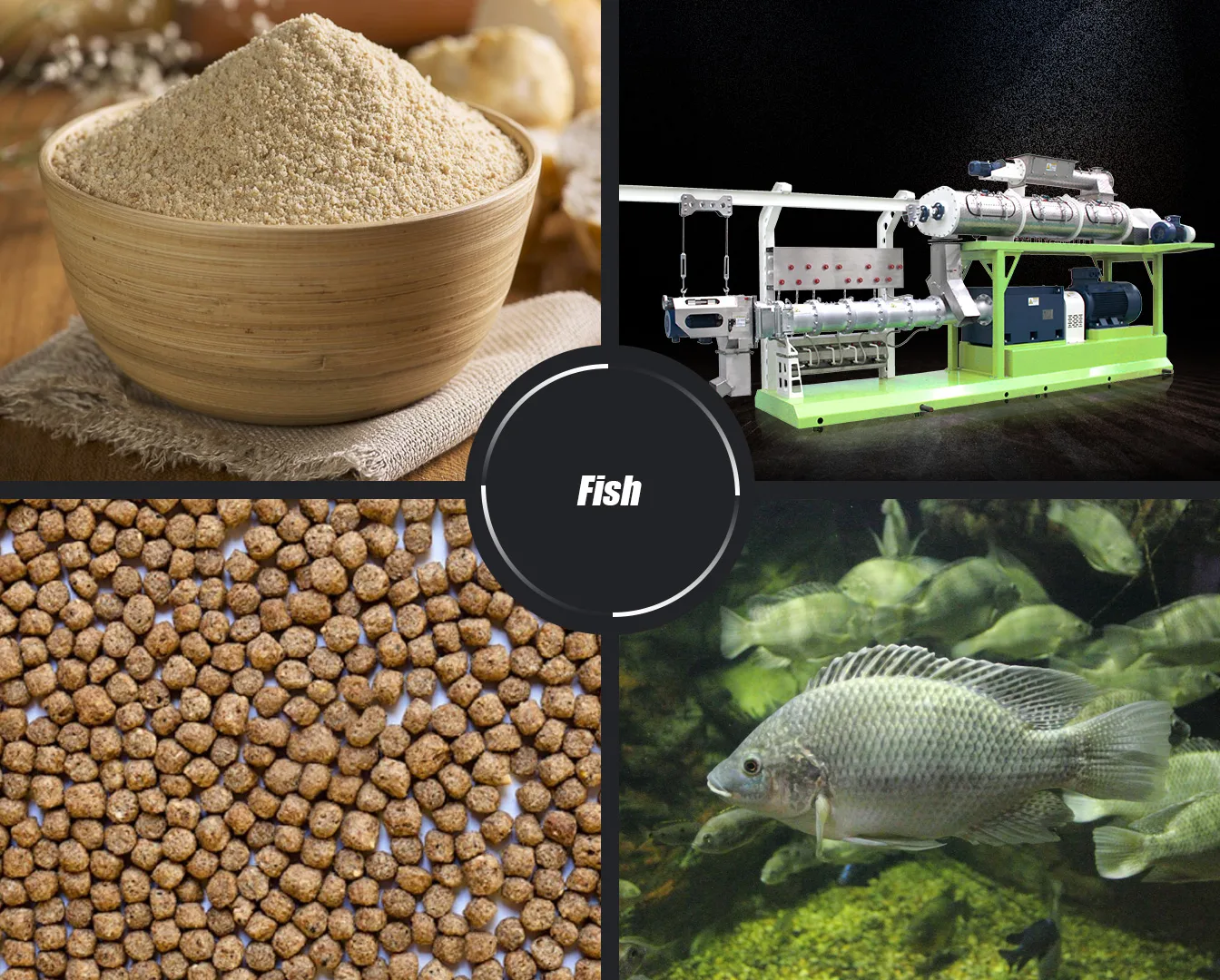
Aquaculture has become one of the fastest-growing food industries in the world. Fish farming businesses are expanding rapidly to meet increasing global demand for seafood products. One of the most important factors influencing aquaculture profitability is feed quality. High-quality feed supports faster growth, stronger immunity, and improved feed conversion ratios. This is why modern feed manufacturers rely heavily on advanced fish food pellet making machine technology.
A fish food pellet making machine is designed to process powdered feed ingredients into compact pellets with specific sizes and densities. These pellets can be floating or sinking depending on the requirements of different fish species. The machine plays a critical role in determining pellet quality, durability, and nutritional retention.
Many aquaculture investors today search for a floating fish pellet machine for sale because floating feed offers significant management advantages. Floating pellets allow farmers to observe feeding behavior directly on the water surface. This helps avoid feed waste and enables better monitoring of fish health. Farmers can immediately identify feeding abnormalities and adjust feeding strategies accordingly.
The floating fish pellet machine for sale typically uses extrusion technology. During processing, raw materials are subjected to high temperature, moisture, and pressure. When the material exits the die, expansion occurs and creates a porous internal structure that allows pellets to float. Floating feed is widely used for tilapia, catfish, ornamental fish, and many freshwater species.
A complete fish feed production line usually begins with raw material preparation. Fish feed formulas often contain soybean meal, corn flour, wheat bran, rice bran, fish meal, vitamins, minerals, and oils. The quality of these ingredients directly affects pellet performance and fish growth.
The first processing stage is crushing. Hammer mills grind raw materials into fine powder to improve mixing uniformity and pellet formation. Fine grinding is especially important for juvenile fish feed because young fish require easily digestible particles.
After grinding, ingredients enter the mixing section of the fish feed production line. Efficient mixers ensure even distribution of nutrients throughout the feed batch. Consistent nutrition is essential for maintaining uniform fish growth and preventing nutritional deficiencies.
The prepared material is then transferred into the fish food pellet making machine or extruder. Different die sizes allow manufacturers to produce pellets ranging from tiny fry feed to large pellets for adult fish. Advanced extrusion systems can also adjust density, hardness, and buoyancy according to market requirements.
Drying is another critical stage in the fish feed production line. Fresh pellets contain high moisture levels that can reduce shelf life and encourage mold growth. Industrial dryers reduce moisture content to safe storage levels while preserving pellet structure and nutritional value.
Cooling systems are installed after drying to stabilize pellet temperature. Without proper cooling, pellets may crack or deform during packaging and transportation. Some production lines also include oil spraying systems that improve feed energy content and palatability.
The market demand for fishing pellet making machine equipment is increasing among both commercial feed factories and independent fish farms. Small-scale farmers increasingly prefer producing feed locally because it reduces dependence on external suppliers and lowers operating costs. Customized feed formulas also help farmers target specific fish species and growth stages.
When selecting a floating fish pellet machine for sale, production capacity is an important consideration. Small machines are suitable for farms producing several hundred kilograms per day, while industrial systems can produce multiple tons per hour. Capacity selection should reflect farm size, future expansion plans, and local market demand.
Energy efficiency is another major factor. Modern fish food pellet making machine systems are designed with efficient motors, automatic lubrication, and intelligent control systems that minimize electricity consumption. Lower energy costs improve long-term profitability and reduce environmental impact.
Automation has become a key feature in the modern fish feed production line. PLC control systems monitor processing parameters such as temperature, pressure, and moisture content in real time. Automated systems reduce labor requirements and help maintain stable pellet quality.
Durability is also essential for commercial production. High-quality fishing pellet making machine equipment is typically manufactured using wear-resistant alloy steel. This improves resistance to abrasion caused by high-protein feed materials and extends machine service life.
Many buyers looking for a floating fish pellet machine for sale are also interested in feed flexibility. Advanced systems can produce floating feed, sinking feed, shrimp feed, and even pet food by adjusting process parameters and changing dies. This versatility creates additional business opportunities for feed manufacturers.
Environmental protection is becoming increasingly important in aquaculture. Efficient fish feed production line systems reduce feed waste and improve nutrient utilization. High-quality pellets remain stable in water and minimize pollution caused by uneaten feed. Sustainable feed production helps support environmentally responsible fish farming.
Maintenance plays a vital role in ensuring continuous operation. Operators should regularly inspect rollers, bearings, dies, and extrusion screws to prevent unexpected downtime. Reliable fish food pellet making machine suppliers usually provide technical support, installation guidance, and spare parts services.
Investors should also evaluate raw material adaptability when purchasing a fishing pellet making machine. Some feed formulations contain high oil or fiber content, which may affect pellet quality if the equipment is not properly designed. Advanced extrusion systems can handle a wide variety of feed ingredients efficiently.
The global aquaculture industry is expected to continue growing in the coming years. As fish consumption increases worldwide, demand for efficient feed manufacturing equipment will also rise. A high-quality fish feed production line enables producers to improve feed quality, increase profitability, and support sustainable aquaculture development.
Whether for small farms or industrial feed factories, selecting the right floating fish pellet machine for sale can significantly impact operational success. Modern pellet production technology provides stable output, flexible feed formulation, and long-term economic benefits for aquaculture businesses around the world.