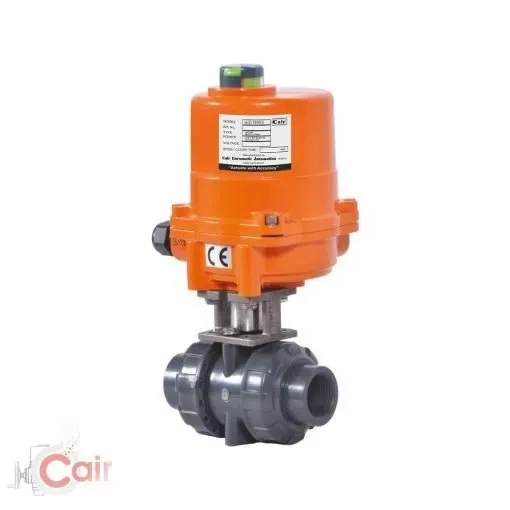
Industrial systems rely on efficient flow control to ensure safe, reliable, and uninterrupted operations. Whether transporting water, chemicals, steam, oil, gas, or other process media, selecting the right valve is one of the most important decisions for achieving long-term operational success. A properly selected valve improves system efficiency, reduces maintenance costs, and supports consistent production, while the wrong choice can lead to equipment failures and costly downtime.
For this reason, industries often work with an experienced valve supplier who understands different industrial requirements and can recommend suitable valve solutions for specific applications. As manufacturing becomes more automated and process demands continue to increase, choosing the right industrial valve has become more important than ever.
Cair Euromatic Automation provides advanced valve automation and flow control solutions that help industries improve productivity, reliability, and process efficiency across a wide range of applications.
Why Valve Selection Matters
Every industrial process has unique operating conditions. Factors such as pressure, temperature, fluid characteristics, and automation requirements directly influence valve performance.
Selecting the correct valve helps industries:
- Improve process efficiency
- Reduce operational downtime
- Enhance workplace safety
- Extend equipment lifespan
- Lower maintenance expenses
A carefully selected valve becomes a valuable long-term investment for any industrial facility.
Understanding Different Valve Types
Industrial valves are designed for different purposes depending on the application.
Some commonly used valves include:
Ball Valves
Ideal for quick shut-off applications with minimal pressure drop and reliable sealing performance.
Butterfly Valves
Suitable for large-diameter pipelines where compact design and efficient flow control are important.
Gate Valves
Commonly used for isolation applications requiring full flow with minimal restriction.
Globe Valves
Preferred where precise flow regulation is necessary.
Check Valves
Prevent reverse flow and protect equipment from backflow damage.
An experienced valve supplier can help determine which valve type best suits specific operating conditions.
Consider the Operating Environment
Industrial valves must perform reliably under different environmental conditions.
Important factors include:
- Operating pressure
- Working temperature
- Fluid compatibility
- Corrosive environments
- Installation location
Selecting materials that match the process media helps improve valve durability and overall system reliability.
Material Selection Is Critical
Valve body and sealing materials significantly affect performance and service life.
Common materials include:
- Stainless steel
- Cast iron
- Carbon steel
- Brass
- UPVC
- Polypropylene
The correct material depends on the application, chemical compatibility, and operating conditions.
Proper material selection reduces corrosion, wear, and maintenance requirements.
Automation Compatibility
Modern industries increasingly rely on automation to improve productivity and reduce manual intervention.
Today's industrial valves can be equipped with:
- Electric actuators
- Pneumatic actuators
- Positioners
- Smart control systems
Automation enables remote valve operation, improved process accuracy, and better production efficiency.
When planning automated facilities, choosing valves compatible with future automation upgrades is a smart investment.
Focus on Performance and Reliability
Industrial valves operate continuously in many facilities, making reliability a top priority.
High-quality valves provide:
- Consistent sealing performance
- Smooth operation
- Long service life
- Reduced leakage
- Stable process control
Working with a trusted valve supplier helps ensure access to products manufactured according to recognized quality standards.
Maintenance Requirements
Maintenance costs directly affect operational profitability.
Choosing valves with simple designs and durable construction offers several advantages:
- Reduced maintenance frequency
- Lower repair costs
- Faster servicing
- Increased equipment availability
Reliable valves help minimize unexpected downtime and improve plant productivity.
Supporting Energy Efficiency
Efficient flow control contributes to lower energy consumption across industrial systems.
Properly selected valves help:
- Reduce pressure losses
- Improve flow characteristics
- Lower pumping requirements
- Optimize resource utilization
Energy-efficient systems not only reduce operating costs but also support environmental sustainability initiatives.
Applications Across Multiple Industries
Industrial valves are essential in numerous sectors.
Water Treatment
Support filtration, pumping, and distribution systems.
Chemical Processing
Handle aggressive chemicals while maintaining safe operations.
Oil and Gas
Provide dependable flow isolation and process control.
Food and Beverage
Maintain hygienic processing and reliable fluid management.
Pharmaceutical Manufacturing
Support accurate flow control in highly regulated environments.
Power Generation
Control steam, cooling water, and utility systems efficiently.
Each industry requires valves designed to meet its specific operational challenges.
Importance of Choosing the Right Valve Supplier
Selecting the right valve supplier is just as important as selecting the valve itself. An experienced supplier provides more than products—they offer technical knowledge, engineering support, and guidance throughout the project.
A reliable supplier can help with:
- Product selection
- Technical consultation
- Automation integration
- Quality assurance
- After-sales support
Strong supplier partnerships contribute to smoother project execution and long-term operational success.
Why Choose Cair Euromatic Automation?
Cair Euromatic Automation is dedicated to delivering innovative industrial valve and automation solutions that meet the evolving needs of modern industries. With a strong focus on quality, engineering excellence, and customer satisfaction, the company offers dependable products designed for demanding industrial applications.
By combining advanced valve technologies with automation expertise, Cair Euromatic Automation helps businesses improve efficiency, optimize process control, and build reliable flow management systems for the future.
Conclusion
Choosing the right industrial valve is a critical step toward achieving efficient, safe, and reliable operations. Factors such as valve type, material selection, operating conditions, automation compatibility, and maintenance requirements all influence long-term performance.
Partnering with an experienced valve supplier ensures access to high-quality products and expert guidance that support successful industrial projects. As manufacturing continues moving toward greater automation and smarter production systems, selecting the right valve solutions will remain essential for improving productivity, reducing costs, and maintaining consistent operational performance. Cair Euromatic Automation continues to support this journey by delivering dependable valve technologies tailored to the needs of modern industries.