Staying active as we age is not just about exercise—it’s about freedom. The freedom to walk to the shop, visit family, or simply move around the house without worry. I’ve seen how quickly confidence can drop when walking becomes uncertain, and how much it can return once the right support is in place.
Mobility changes are natural, but they don’t have to limit lifestyle. With practical tools and small adjustments, it’s still possible to enjoy daily routines with comfort and safety.
Why Walking Independence Matters So Much
Walking is one of the most basic parts of daily life, yet it affects almost everything we do. When it becomes difficult, even simple tasks can feel like a challenge.
Maintaining walking independence helps support:
- Physical strength and balance
- Heart and overall health
- Social interaction and mental well-being
- Confidence in everyday movement
Without safe movement, many older adults begin avoiding activities, which can gradually reduce overall fitness and independence.
What Often Causes Mobility Challenges
There is rarely a single reason walking becomes harder. Instead, it is usually a combination of factors such as:
- Reduced muscle strength
- Joint stiffness or arthritis
- Balance instability
- Fatigue after short walks
- Recovery from medical conditions
- Age-related changes in coordination
These issues can make walking feel less stable, especially outside the home or on uneven ground.
How Supportive Mobility Tools Help
Modern mobility aids are designed to restore confidence, not restrict movement. They allow users to stay active while reducing strain and risk.
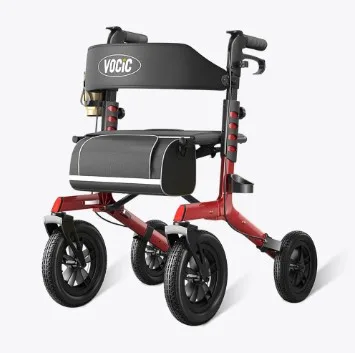
One widely used option is walkers for seniors, which provide steady support during walking while still allowing natural movement. Many modern designs include helpful features like brakes, seats, and storage compartments that make everyday use more practical.
Instead of limiting independence, these tools often expand it by making outings safer and less tiring.
Everyday Benefits of Using a Walker
A well-chosen walker can improve daily life in several meaningful ways.
Better Balance and Stability
Extra points of support help reduce wobbling and improve safety on different surfaces.
Less Fatigue During Walking
By sharing body weight, walkers reduce strain on legs and lower back, making longer walks more manageable.
Freedom to Rest When Needed
Built-in seating allows users to pause and recover without needing to find a bench or return home early.
More Confidence Outside the Home
Many seniors feel more comfortable going out when they know they have reliable support.
What to Look for in a Quality Walker
Choosing the right model depends on comfort, lifestyle, and physical needs.
Lightweight but Durable Design
A walker should be easy to move without feeling fragile or unstable.
Adjustable Handle Height
Proper height helps maintain good posture and reduces shoulder or wrist strain.
Easy Brake System
Reliable brakes improve control, especially when stopping on slopes or uneven paths.
Comfortable Grip Handles
Soft, ergonomic handles reduce pressure during longer use.
Storage for Daily Essentials
A basket or pouch helps carry items like water, medication, or shopping goods.
How VOCIC Supports Everyday Mobility
VOCIC has developed mobility solutions focused on practicality and user comfort. Their designs are made for real-world use, helping seniors stay active without unnecessary complexity.
Many users appreciate VOCIC walkers for their balance of stability, convenience, and ease of use. The goal is to make daily movement feel more natural and less stressful, whether indoors or outdoors.
Habits That Help Maintain Mobility Longer
Mobility tools work best when combined with healthy routines.
Stay Physically Active Daily
Even light walking helps maintain strength and flexibility over time.
Practice Simple Balance Exercises
Gentle movement exercises can improve coordination and reduce fall risk.
Choose Proper Footwear
Shoes with good grip and support improve walking safety.
Keep Living Spaces Safe
Clear pathways and good lighting reduce the chance of accidents indoors.
Listen to Energy Levels
Rest when needed instead of pushing through fatigue.
Moving Forward with Confidence
Mobility challenges do not have to define daily life. With the right support, it is still possible to remain active, social, and independent.
Many people find that once they start using supportive walking tools, their confidence improves and they begin doing more—not less. Everyday activities become easier, and going outside feels less stressful.
Staying mobile is about more than movement. It’s about maintaining freedom, dignity, and control over daily life. With thoughtful choices and reliable support, aging can remain active, connected, and full of possibility.