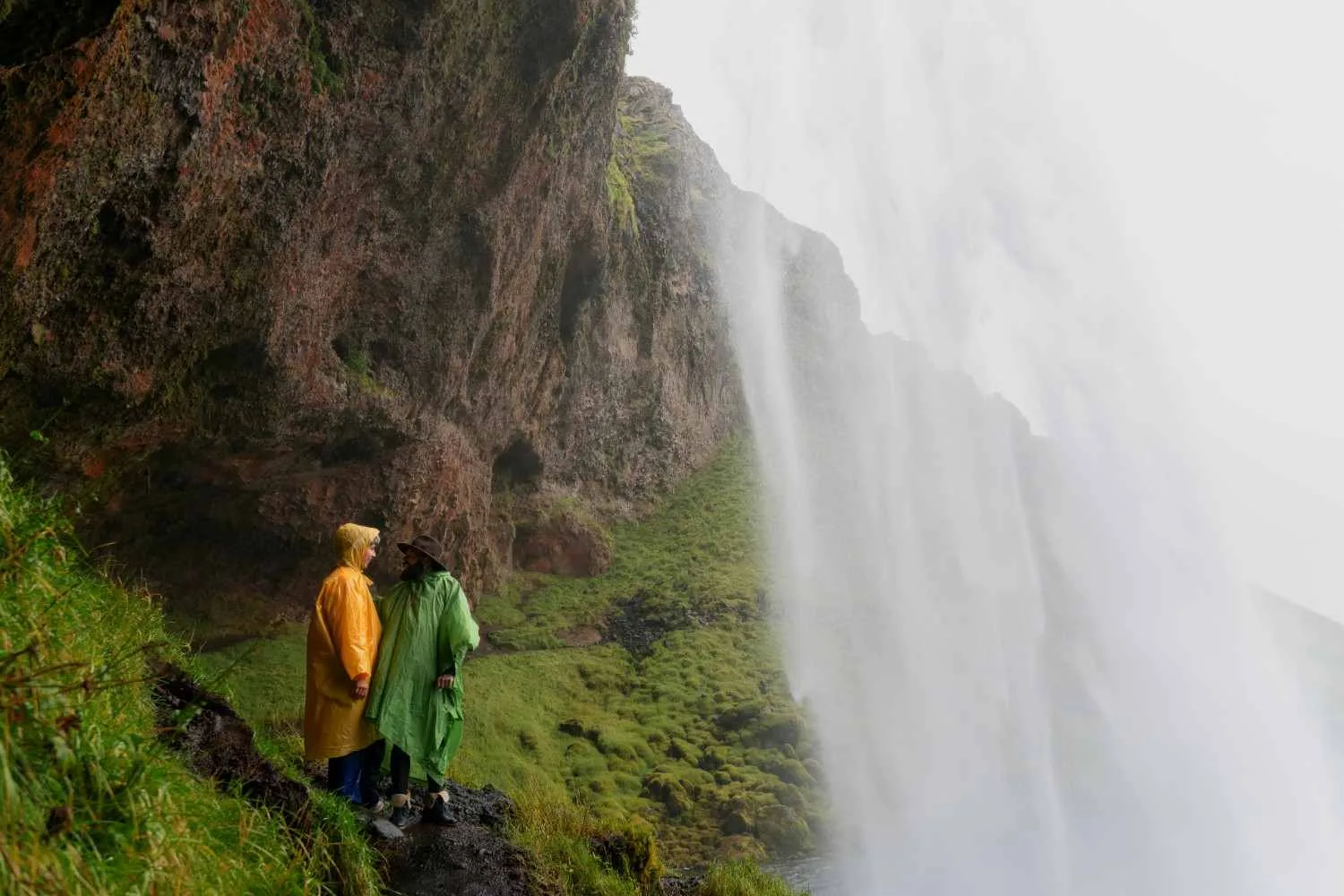
Mount Kenya offers a very different challenge from a standard high-altitude trek. Nelion, rising to approximately 5,188 metres, is the mountain’s second-highest summit and demands technical rock-climbing ability, strong fitness, careful acclimatization, and confident decision-making. For climbers searching for a serious African alpine objective, climbing mt kenya nelion combines dramatic rock formations, exposed pitches, high-altitude conditions, and spectacular scenery. Ice Rock Trekking supports climbers who want to approach this demanding peak with suitable preparation, realistic expectations, and respect for mountain conditions.
What Makes Mt Kenya Nelion Special?
Mount Kenya has three principal peaks: Batian, Nelion, and Point Lenana. Batian stands highest at approximately 5,199 metres, while Nelion reaches approximately 5,188 metres. Point Lenana, at around 4,985 metres, attracts trekkers because it can generally be reached without technical rock climbing.
Nelion belongs to a different category.
Reaching its summit involves technical climbing rather than simply following a trekking trail. Climbers encounter steep rock, exposed sections, multi-pitch climbing, route-finding decisions, and changing mountain weather. The combination of altitude and technical terrain makes Nelion attractive to mountaineers looking for more than a conventional summit trek.
The mountain environment also adds enormous visual appeal. Climbers pass through forests, moorlands, alpine terrain, rocky valleys, glaciers, tarns, and striking volcanic formations before reaching the technical climbing sections.
Is Nelion the Highest Peak of Mount Kenya?
No. Batian is Mount Kenya's highest summit at roughly 5,199 metres. Nelion, at about 5,188 metres, sits only around 11 metres lower.
Although the difference in elevation appears small, reaching either summit requires serious mountaineering skills.
Many visitors associate Mount Kenya climbing with Point Lenana because it is the most accessible of the three major summits. Point Lenana remains an excellent high-altitude trekking objective, but climbers planning Nelion need to prepare for technical rock climbing.
This distinction matters when choosing an itinerary, equipment, climbing partner, and preparation strategy.
What Route Is Used for Climbing Mt Kenya Nelion?
The Normal Route on Nelion's southeast face is one of the established ways climbers attempt the summit. It involves multiple pitches of technical rock climbing and requires climbers to move efficiently while dealing with altitude, exposure, cold temperatures, and unpredictable conditions.
Before reaching the technical route, climbers normally spend several days approaching the mountain and acclimatizing.
Popular trekking approaches can include routes such as Chogoria, Sirimon, or Naro Moru depending on the planned itinerary, logistics, weather, and acclimatization strategy.
A properly structured schedule should not treat the approach merely as transportation to the climbing area. Those trekking days provide valuable altitude exposure and give the body time to adjust before the technical summit attempt.
What Is the Nelion Normal Route Like?
The Normal Route is a serious alpine rock-climbing objective. Climbers need to negotiate numerous pitches across steep volcanic rock while managing ropes, protection, belays, route transitions, and exposure.
Some sections may feel relatively manageable for an experienced rock climber at lower elevations. At more than 5,000 metres, however, the situation changes considerably.
Thin air can slow movement. Cold hands can make equipment handling more difficult. Carrying alpine gear increases physical demand. Route-finding takes concentration, and sudden cloud or precipitation can dramatically affect the rock.
Efficiency therefore matters almost as much as technical ability.
A climber who requires excessive time on every pitch may face difficulties later in the day, particularly if weather conditions deteriorate.
How Difficult Is Climbing Mt Kenya Nelion?
Nelion should be considered a technical mountaineering objective rather than a trekking summit.
Its difficulty comes from several factors acting together.
Technical Rock Climbing
Climbers must possess genuine rock-climbing ability. They should feel comfortable using harnesses, ropes, belay systems, climbing protection, carabiners, helmets, and other technical equipment.
Experience on multi-pitch routes is particularly valuable.
High Altitude
At 5,188 metres, reduced oxygen affects physical performance. A climbing movement that feels straightforward at lower elevation can require noticeably greater effort high on Mount Kenya.
Altitude can also affect concentration, appetite, sleep, recovery, and climbing speed.
Exposure
Nelion includes exposed terrain where climbers need confidence and composure. Anyone uncomfortable with heights may find certain sections mentally demanding.
Long Summit Day
Technical summit attempts can involve many hours of sustained effort. Climbers need enough endurance to maintain concentration from the first pitches through the summit and descent.
Mountain Weather
Conditions on Mount Kenya can change rapidly. Cloud, wind, precipitation, low temperatures, and wet or icy rock can transform climbing conditions.
For these reasons, trekking fitness alone does not adequately prepare someone for Nelion.
Do You Need Rock-Climbing Experience for Nelion?
Yes. Previous technical climbing experience is highly advisable.
A strong trekker should not assume that fitness gained from hiking automatically transfers to technical mountaineering. Trekking develops cardiovascular endurance and leg strength, but Nelion introduces rope systems, exposure, vertical movement, climbing technique, equipment management, and technical descents.
Before attempting the peak, climbers should be comfortable with essential skills such as:
- Belaying and rope management
- Climbing multi-pitch rock routes
- Using a harness and helmet correctly
- Moving confidently on exposed terrain
- Following technical climbing commands
- Managing carabiners and climbing equipment
- Abseiling or rappelling
- Climbing efficiently for several hours
- Remaining calm while tired or cold
Climbers who have mainly completed non-technical mountains should invest time in rock-climbing training before considering Nelion.
How Important Is Acclimatization?
Acclimatization plays a major role in a successful Nelion expedition.
Mount Kenya rises rapidly from lower elevations, and moving upward too quickly can place unnecessary stress on the body. A carefully planned itinerary allows climbers to gain elevation progressively before attempting the technical summit.
Extra acclimatization can also improve climbing performance.
A climber struggling with altitude may move slowly, lose appetite, sleep poorly, or find technical decisions harder. Someone who has adjusted well has a better chance of maintaining energy and concentration.
The approach to Nelion should therefore balance progress with sensible altitude gain rather than focusing purely on reaching the climbing base as quickly as possible.
What Is the Best Time for Climbing Mt Kenya Nelion?
Nelion climbing is closely linked to seasonal conditions because its technical faces can be strongly affected by precipitation, cloud, wind, ice, and temperature.
For the southeast-facing Normal Route, the period roughly from December through February is commonly regarded as a favourable climbing season. Drier conditions can provide better opportunities for technical climbing, although mountain weather remains unpredictable.
Climbers should never interpret a favourable season as guaranteed good weather.
Conditions can change quickly at high elevation. Even during traditionally suitable periods, teams may encounter cloud, rain, snow, wind, or icy sections.
Building flexibility into the itinerary can therefore be valuable.
How Fit Should You Be Before Attempting Nelion?
Climbers need both cardiovascular endurance and climbing-specific strength.
Training should ideally begin several months before departure, depending on current fitness and technical background.
Aerobic sessions can include running, cycling, stair climbing, hiking, and sustained uphill walking. Long hiking days with a backpack help prepare the legs and cardiovascular system for consecutive days on the mountain.
Strength training should focus on functional movements rather than bodybuilding alone. Strong legs, core stability, pulling strength, grip endurance, and shoulder stability all contribute to efficient climbing.
Technical climbing sessions remain equally important.
Spending regular time on rock helps climbers improve footwork, balance, route-reading, rope handling, and confidence.
How Should You Train for Climbing Mt Kenya Nelion?
A balanced preparation programme can combine endurance, strength, climbing practice, and recovery.
Long weekend hikes help develop mountain endurance. Whenever possible, climbers can gradually increase elevation gain, distance, and backpack weight rather than making sudden jumps.
Indoor climbing walls offer useful practice, but outdoor multi-pitch climbing provides more relevant preparation because it introduces route management, exposure, belay transitions, natural rock, and changing conditions.
Climbers should also practise efficient movement.
Nelion is not the ideal place to master basic rope skills for the first time. Equipment handling should already feel familiar before arriving on Mount Kenya.
What Equipment Is Needed for Nelion?
Equipment requirements vary according to the expedition plan and climbing arrangements, but climbers generally need a mixture of trekking, alpine, and technical gear.
Personal clothing should work through several climatic zones. Lower sections of Mount Kenya can feel warm, while higher elevations may become extremely cold.
Layering provides flexibility.
A moisture-managing base layer, insulating mid-layer, warm jacket, waterproof shell, trekking trousers, climbing trousers, gloves, warm hat, and suitable footwear form the foundation of the clothing system.
Technical equipment can include a climbing helmet, harness, climbing shoes, locking carabiners, belay equipment, slings, and other equipment specified for the route.
A headlamp with spare batteries is particularly important because summit activities may involve low-light conditions.
What Should Climbers Pack for Changing Weather?
Mount Kenya's weather demands adaptable clothing.
A waterproof outer layer protects against precipitation and wind, while insulated clothing helps retain warmth during rests, belays, and high-altitude sections.
Climbers should also carry sun protection.
At altitude, strong ultraviolet exposure can cause sunburn quickly. Sunglasses, sunscreen, protective clothing, and suitable headwear can reduce exposure.
Gloves deserve particular attention because cold fingers make technical equipment harder to operate. Carrying suitable hand protection for both climbing and colder stationary periods can make a significant difference.
Why Is Mental Preparation Important?
Technical climbing at altitude creates psychological pressure as well as physical strain.
Exposure, fatigue, cold conditions, difficult moves, and long hours on the mountain can test concentration. Climbers need patience and the ability to remain methodical when circumstances become uncomfortable.
Mental preparation develops naturally through climbing experience.
Completing progressively longer multi-pitch routes before the expedition helps climbers become familiar with exposure and extended periods on rock.
The objective is not aggressive speed. Controlled, consistent movement and sound decisions matter more.
What Are the Main Challenges on Nelion?
Altitude and technical climbing receive most of the attention, but several other factors influence the climb.
Route efficiency is one.
Teams need to move smoothly through technical sections without wasting excessive time during transitions.
Weather is another.
Conditions that appear manageable early in the day may deteriorate later. Climbers must remain prepared to change plans if conditions become unsafe.
The descent also deserves respect. Reaching the summit represents only part of the objective. Climbers still need enough physical and mental energy to descend technical terrain safely.
This is why experienced mountaineers avoid treating the summit as the finish line.
How Many Days Should You Allow?
The ideal duration depends on the chosen approach, acclimatization schedule, climber experience, and weather flexibility.
A rushed schedule can reduce opportunities for acclimatization and leave little room for changing mountain conditions. A more thoughtful itinerary provides time for gradual elevation gain, rest, technical preparation, and a properly planned summit attempt.
Climbers should discuss itinerary length carefully before departure rather than selecting a schedule solely because it is shorter.
Ice Rock Trekking can help climbers consider the relationship between approach route, acclimatization, technical objectives, and expedition duration when planning a Mount Kenya climb.
Nelion vs Point Lenana: Which Should You Choose?
The choice depends largely on technical climbing ability.
Point Lenana suits trekkers seeking a challenging high-altitude summit without committing to sustained technical rock climbing. Routes leading toward Point Lenana still require fitness, acclimatization, suitable equipment, and respect for mountain conditions.
Nelion suits experienced climbers looking for a technical objective.
Someone capable of trekking for many hours but lacking rock-climbing skills should consider Point Lenana or gain technical experience before attempting Nelion.
This distinction helps climbers choose an objective suited to their current abilities rather than selecting a summit purely because of its elevation.
Nelion vs Batian: What Is the Difference?
Batian is Mount Kenya's highest summit, while Nelion is the second highest.
Both are technical climbing objectives.
The routes, seasonal considerations, and technical requirements can differ, making route selection an important part of expedition planning. Climbers interested in either peak should evaluate their technical background rather than relying only on previous trekking achievements.
For experienced mountaineers, both summits represent serious African climbing objectives with dramatic terrain and demanding alpine conditions.
Common Preparation Mistakes to Avoid
One common mistake is concentrating entirely on physical fitness while neglecting climbing technique. Running long distances can build excellent cardiovascular fitness, but it does not replace multi-pitch climbing practice.
Another mistake involves rushing acclimatization.
Climbers may arrive feeling exceptionally fit and assume altitude will not affect them. Fitness and acclimatization are separate factors.
Poor equipment testing can also create problems. Boots, gloves, harnesses, backpacks, headlamps, and clothing systems should be tested before departure whenever practical.
Finally, climbers should avoid becoming overly committed to a summit attempt when weather or personal condition suggests turning around. Successful mountaineering depends on good judgment as much as determination.
Why Professional Support Matters on Mt Kenya
A technical Mount Kenya expedition involves far more than reaching the start of a climbing route. Approach logistics, acclimatization, camps, equipment planning, local mountain conditions, weather assessment, technical climbing, and descent strategy all contribute to the experience.
Working with experienced mountain professionals can help climbers organize these elements more effectively.
Ice Rock Trekking focuses on structured Mount Kenya expeditions that respect the technical nature of objectives such as Nelion. Climbers should communicate their previous climbing background clearly so the planned objective matches their ability.
Final Preparation Tips Before Departure
Several weeks before travelling, climbers should reduce uncertainty wherever possible. Technical equipment should be inspected, clothing systems tested, footwear broken in, and climbing skills refreshed.
Training should gradually become specific to the objective.
Long hikes develop endurance, multi-pitch climbing strengthens technical efficiency, and regular strength sessions support stability and movement.
Climbers should also arrive with realistic expectations. Mountains do not guarantee summits. Weather, route conditions, altitude, fitness, and individual performance can all influence the final outcome.
Conclusion
Climbing Mt Kenya Nelion offers a remarkable combination of high altitude, technical rock climbing, dramatic scenery, and serious mountaineering challenges. At approximately 5,188 metres, Nelion requires far more preparation than an ordinary trekking summit. Strong fitness, proven rock-climbing skills, sensible acclimatization, suitable equipment, and careful route planning all matter. Climbers who prepare thoroughly can approach the mountain with greater confidence and efficiency. With experienced support from Ice Rock Trekking, Nelion can become an exceptional objective for mountaineers ready to test their abilities on one of Africa's most distinctive technical peaks.