
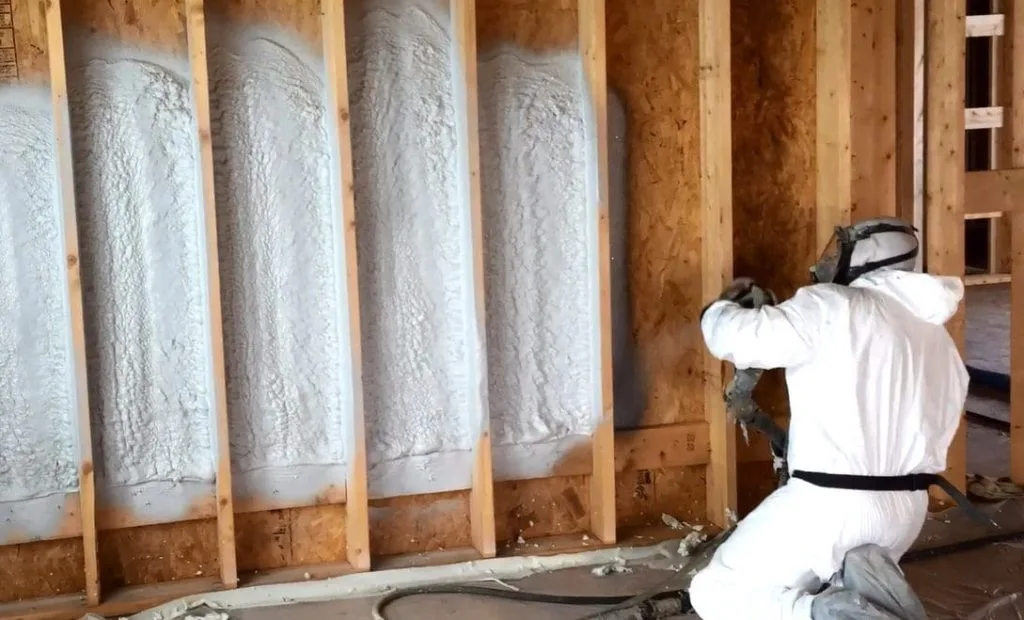
Choosing the right insulation for your desert property depends on your upfront budget and long-term thermal goals. If you need a direct budget answer, open-cell spray foam typically costs 30% to 50% less upfront, making it ideal for immediate savings. However, analyzing closed-cell vs open-cell spray foam in Indian Springs, NV, reveals that closed-cell material offers superior heat defense and moisture resistance, paying off over time in extreme heat.
This comparison guides you through a detailed cost and performance analysis to help you make an informed choice. Decades of field observations in regional climate zones show how different building materials respond to desert thermal patterns.
- Open-cell insulation offers lower upfront costs for budget-conscious buyers.
- Closed-cell insulation provides a higher R-value per inch of thickness.
- Local climate conditions require high-performance thermal barriers.
- Proper planning prevents costly cooling system strain during summer peaks.
Understanding the Two Main Spray Foam Options
Before reviewing prices, you must understand how these materials differ structurally. The two types serve different structural and thermal needs in desert homes.
Characteristics of Open Cell Material
Open-cell insulation features cells that are not completely encapsulated. This design makes the foam softer, lighter, and more flexible.
- Weighs about 0.5 pounds per cubic foot.
- Provides an R-value of around R-3.5 to R-3.8 per inch.
- Acts as an excellent sound barrier for interior walls.
- Allows water to pass through, making leak detection easier.
Characteristics of Closed Cell Material
In contrast, closed-cell insulation contains fully closed cells packed tightly together. This dense configuration blocks both air and water vapor completely.
- Weighs roughly 2.0 pounds per cubic foot.
- Delivers an R-value of R-6.0 to R-7.0 per inch.
- Adds structural strength to your walls.
- Blocks moisture penetration in high-humidity areas.
Cost Comparison of Foam Insulation Options
Budget constraints often guide home improvement choices in Southern Nevada. A clear insulation cost comparison helps you see where your money goes.
Insulation TypeAverage Cost per Board FootR-Value per InchBest Use CaseOpen Cell$0.45 to $0.75R-3.5 to R-3.8Interior walls, ceilings, unvented atticsClosed Cell$1.25 to $2.25R-6.0 to R-7.0Exterior walls, crawl spaces, metal buildings
The raw material prices show that open cell is more economical for deep wall cavities. The higher density of closed cells increases production and installation costs.
When analyzing closed-cell vs open-cell spray foam Indian Springs NV pricing, remember that labor costs remain relatively stable for both products, meaning material volume drives the price difference.
- Open cell requires fewer raw chemicals to fill a cavity.
- Closed cell requires specialized handling and slower application passes.
- Overall project size can reduce the per-square-foot cost of both types.
- Upgraded insulation can increase your overall property resale value.
Bonus Tip: Focus on board-foot pricing rather than total square footage when comparing quotes. A board foot is one square foot at one inch of thickness, which helps you compare quotes accurately.
How Does Desert Climate Affect Your Choice
Indian Springs experiences intense summer heat with temperatures frequently exceeding 100 degrees. Your selection of energy-efficient insulation must withstand these extreme desert conditions.
- Extreme heat requires higher R-values to keep cooling bills low.
- Thinner wall cavities benefit more from the high R-value of closed-cell.
- Attics require thick barriers to stop radiant heat from entering living spaces.
- High wind speeds can drive hot air into small structural cracks.
Open-cell material requires more physical space to reach high target R-values. If your wall studs are standard 2x4s, you might struggle to get adequate protection without closed-cell options.
Department of Energy data shows that heating and cooling make up over 50% of average household energy use. In hot desert areas, this percentage can climb to 60% or higher during summer peaks.
Seeking professional advice on closed-cell vs open-cell spray foam Indian Springs, NV installations ensures your project meets local building codes.
Factors to Evaluate Before Selecting Your Insulation
You must weigh several practical factors before finalizing your choice. These elements determine both immediate satisfaction and long-term savings.
Space Availability and Stud Depth
Standard wall cavities directly limit how thick your insulation can be.
- A 2x4 stud bay provides 3.5 inches of space.
- An open cell in a 2x4 bay yields around R-13.
- Closed cell in a 2x4 bay yields around R-22.
- Shallow roof rafters often demand a higher density of closed-cell.
Long-Term Energy Savings and Return on Investment
While closed-cell options cost more initially, they consistently lower monthly cooling bills.
- Closed-cell can reduce air infiltration by up to 99%.
- Lower air conditioner wear extends HVAC lifespan.
- Payback periods for closed cell average 5 to 7 years in extreme climates.
- Lower monthly bills offset the higher upfront loan or cash payments.
Bonus Tip: If your budget is tight, consider a hybrid approach. You can use closed cell on exterior-facing walls and open cell for interior noise dampening.
Analyzing closed cell vs open cell spray foam Indian Springs NV performance metrics helps you identify where hybrid systems save the most money.
The Value of Hiring a Certified Professional
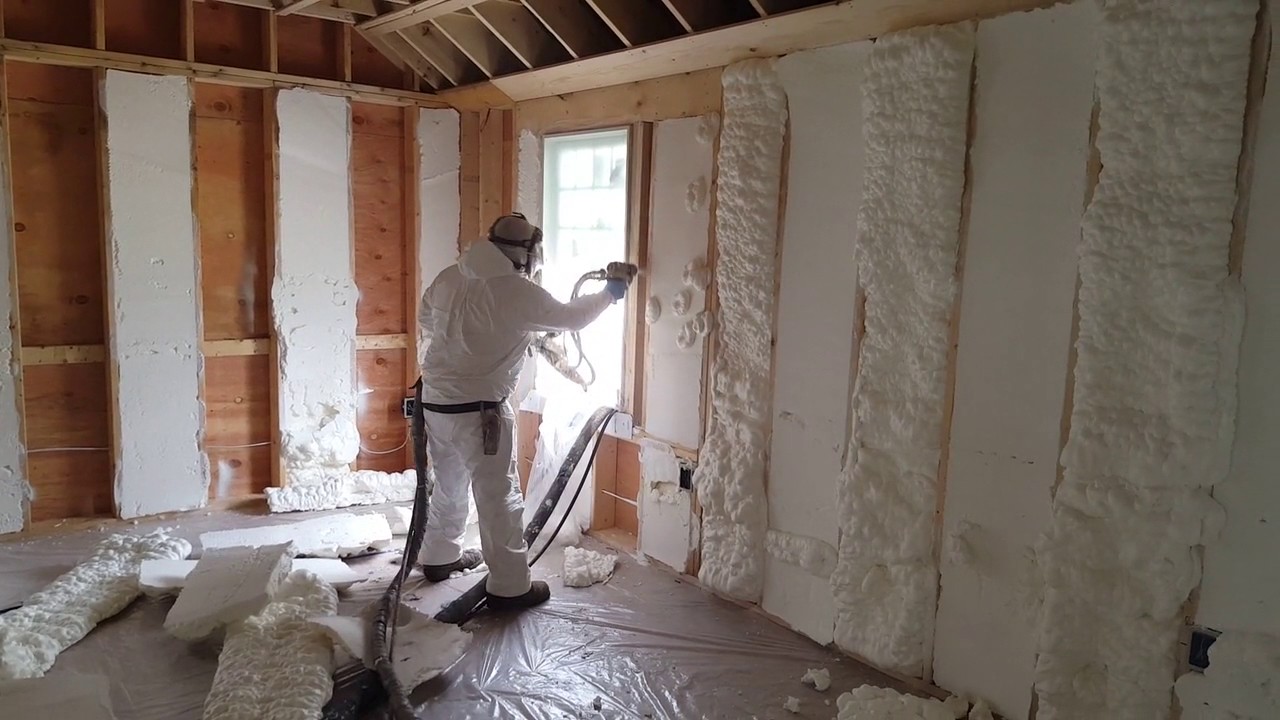
Proper installation is just as critical as the material itself. Working with a skilled insulation contractor ensures the chemicals mix and cure correctly.
- Certified professionals use calibrated high-pressure equipment.
- Correct off-gassing periods ensure your indoor air quality remains safe.
- Experienced crews avoid costly over-spraying and clean up material properly.
- Local licensing protects your investment if problems arise later.
A professional spray foam insulation comparison of your property can reveal hidden air leaks that DIY methods miss.
National building science studies report that poor installation can degrade insulation performance by up to 30%. Certified installers ensure you get the full rated R-value.
Bonus Tip: Always ask your contractor for a thermographic scan after installation. This scan verifies that no voids or gaps remain in the walls.
Finding Your Ideal Balance Between Budget and Performance
Choosing the right insulation requires balancing your current financial limits with your future utility savings. If upfront cost is your main constraint, open-cell foam provides a reliable, cost-effective upgrade over fiberglass. If you want maximum efficiency, structural reinforcement, and space-saving performance, closed-cell foam is the superior option for desert climates. Evaluate your property's specific framing, budget, and longevity goals before making your final selection.
- Open-cell foam works best for interior partitions and deep attic ceilings.
- Closed-cell foam excels in tight exterior walls and high-heat zones.
- A combined approach can optimize both your budget and thermal comfort.
- Consulting with experts ensures your decision fits local building regulations.
Get a Free Estimate to Optimize Your Home Insulation and Keep Your Desert Property Cool
Let the team at Supreme Spray Foam LV help you evaluate your property. Their experienced team assists homeowners in selecting the ideal material for their budget and climate needs. You can contact them directly at [email protected] or call (702) 904-9895 to get a free estimate. Schedule your professional consultation today to secure lower energy bills and improve home comfort for years to come.
Frequently Asked Questions About Desert Spray Foam
Is open-cell foam safe to use in hot desert attics?
Yes, it is safe, but it must be applied at the correct thickness to block radiant heat. You also need to ensure your attic is properly sealed from moisture.
- Open cell works well in unvented roof deck applications.
- It acts as a sponge for noise, quieting your home during desert storms.
- A vapor retarder paint may be required over the foam in certain setups.
Does closed-cell foam add structural strength to my roof?
Yes, closed-cell foam hardens into a dense solid that glues building components together. This increases the wind uplift resistance of your roof deck.
- It can increase wall racking strength by up to 300%.
- It resists damage from heavy impacts and external pressure.
- The rigid structure prevents shifting in older homes.
How long does spray foam insulation last in Indian Springs?
Once fully cured, spray foam does not sag, settle, or degrade. It typically lasts for the entire lifespan of the building, which is several decades.
- It maintains its R-value over its entire lifespan.
- Pests cannot nest in it as easily as they do in fiberglass.
- It does not deteriorate when exposed to dry desert heat.
Can I mix open-cell and closed-cell foam in the same project?
Yes, many builders use a hybrid system. They apply closed-cell foam first to create a vapor barrier, then fill the remaining cavity with open-cell foam to save money.
- This method is often called flash and fill.
- It lowers the total cost of the project while maintaining high performance.
- It is ideal for deep wall cavities facing the hot sun.
What is the typical payback period for spray foam upgrades?
Most desert homeowners recover their initial investment within 5 to 8 years through lower monthly cooling and heating costs.
- High utility rates in Nevada can accelerate this timeline.
- Reduced strain on HVAC systems delays expensive replacement costs.
- Increased property valuation provides returns upon selling the home.