
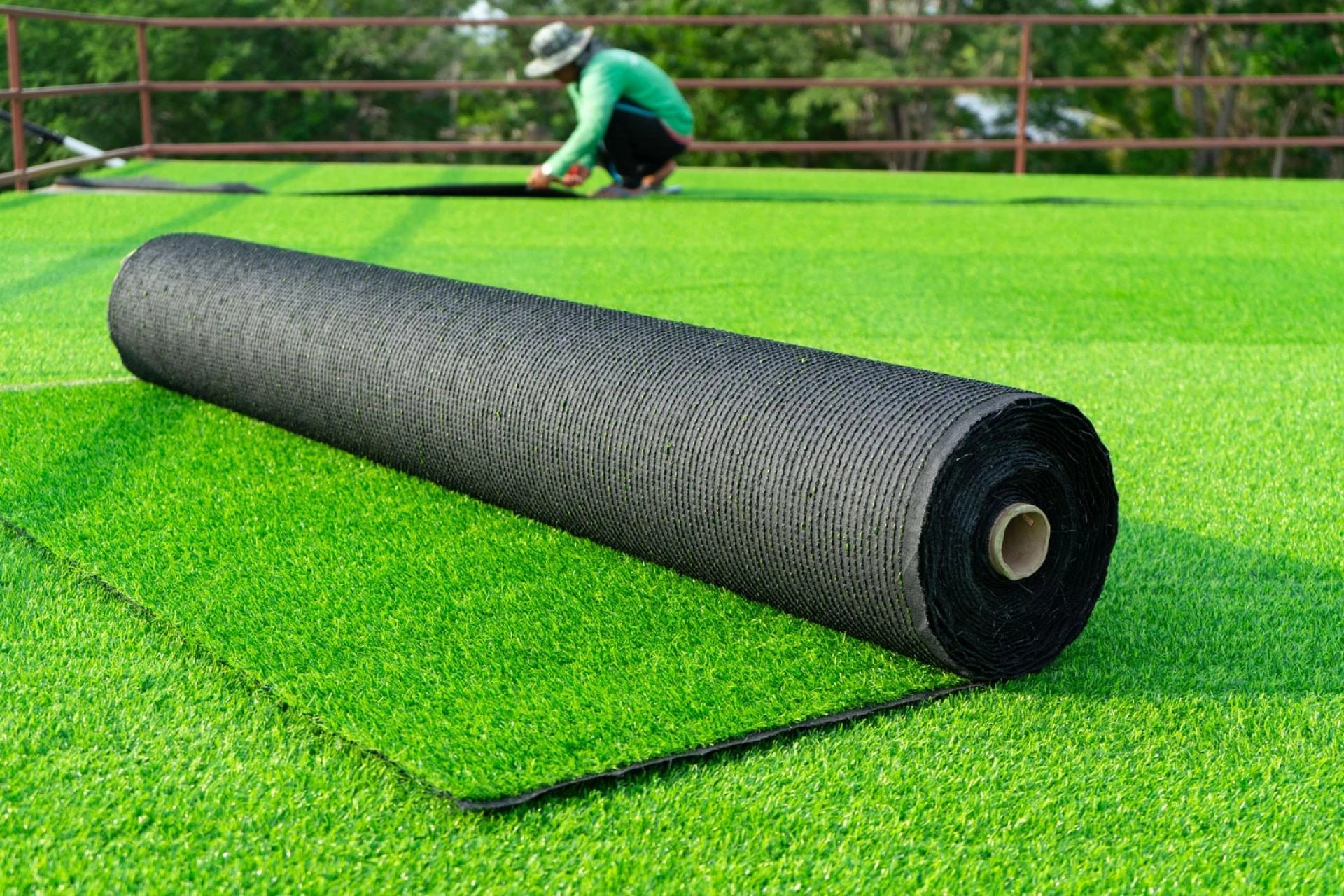
Installing synthetic turf is one of the most effective ways to achieve a beautiful, low-maintenance lawn. However, even the best artificial grass installation Austin projects can face challenges if not done correctly. From uneven surfaces to drainage problems, minor oversights during installation can affect the turf’s longevity and appearance. Understanding these issues — and knowing how to fix them — helps homeowners ensure their investment looks perfect and lasts for years.
1. Uneven Ground and Poor Base Preparation
One of the most common problems with artificial grass installations is an uneven base. If the ground is not leveled or compacted properly before laying the turf, bumps and dips can form over time. This leads to uneven surfaces and poor drainage, especially after heavy rain.
Solution:
Ensure the base layer, typically made of crushed stone or decomposed granite, is well-leveled and compacted. Professional installers use power compactors to create a smooth, firm foundation. If the surface has already been installed unevenly, it may require partial removal and regrading to fix the issue effectively.
2. Drainage Problems After Heavy Rain
Austin’s unpredictable weather can bring sudden downpours that test your turf’s drainage system. Without proper grading or drainage layers, water can pool on the surface, causing damage over time.
Solution:
Install a high-quality permeable base and ensure that the landscape slopes slightly away from structures. Some homeowners also include drainage pipes beneath the turf to improve water flow. Correct drainage is critical for any artificial grass installation Austin project — preventing mold, mildew, and turf warping.
3. Visible Seams Between Turf Rolls
Improperly joined seams are another noticeable issue. When turf rolls are not aligned or secured correctly, visible lines can break the natural look of the grass. Over time, seams may lift or separate, especially under frequent foot traffic.
Solution:
Use professional-grade seaming tape and adhesive during installation. The turf edges should be trimmed precisely and joined tightly before being pressed together. If the turf has already been installed with visible seams, re-gluing and applying additional adhesive can help restore a seamless appearance.
4. Wrinkles and Ripples on the Surface
Turf wrinkles usually occur when the grass is not stretched tightly during installation or when temperature changes cause expansion and contraction. This can make the lawn look uneven and unprofessional.
Solution:
Installers should stretch the turf tightly before securing it to the base and use turf nails or staples to hold it in place. In existing installations, removing the nails, re-stretching the turf, and reattaching it can smooth out ripples and restore a neat surface.
5. Poor Infill Distribution or Selection
Infill helps support the turf fibers and provides cushioning. However, using the wrong infill type or applying it unevenly can cause matting, odor retention, or reduced drainage.
Solution:
Choose the right infill based on the turf’s purpose — silica sand for general use, antimicrobial infill for pets, or rubber infill for sports surfaces. Spread it evenly across the turf using a drop spreader and brush it in thoroughly to maintain upright fibers and proper drainage. Midway through your putting greens installation process, inspecting infill levels can prevent future performance issues.
6. Weed Growth Around Turf Edges
Although artificial turf minimizes weed growth, some weeds may still appear around the edges or through seams if the base isn’t properly treated.
Solution:
Apply a high-quality weed barrier fabric beneath the turf during installation. If weeds appear later, use a natural weed killer or manually remove them. Regular edge inspection and maintenance can prevent recurrence without damaging the turf’s structure.
Conclusion: Keep Your Synthetic Lawn Flawless with Expert Installation
Artificial turf offers unmatched convenience, but achieving the perfect lawn requires proper planning and precision. Uneven bases, poor drainage, and visible seams are all avoidable issues with the right techniques and materials. By addressing these problems early or working with professionals, you can maintain a clean, lush, and durable surface year-round.
If you’re planning or repairing an artificial grass installation Austin, it’s best to rely on experts who understand the city’s climate and soil conditions. National Greens specializes in custom turf installations designed for long-lasting beauty and functionality.