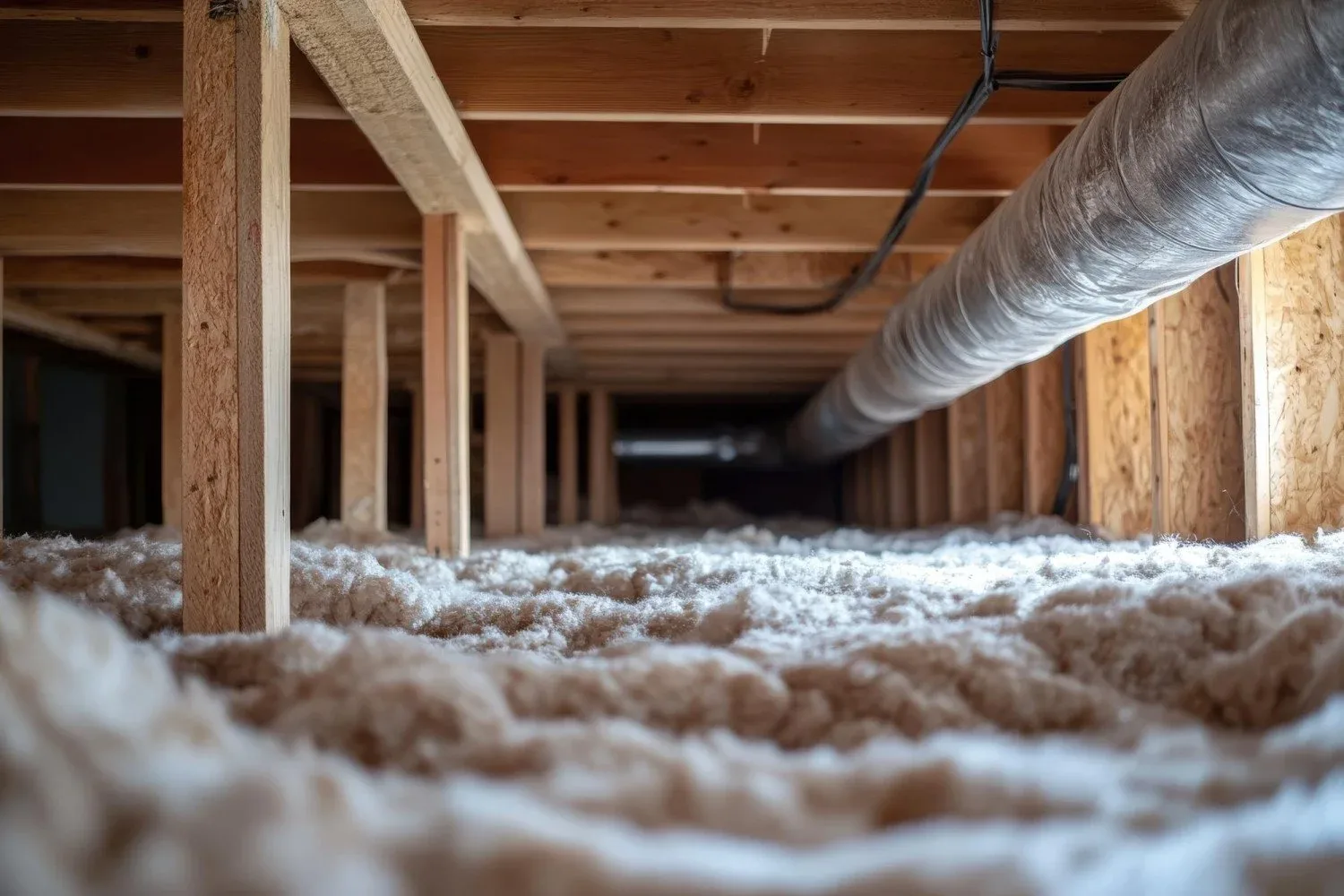
Blown-In Insulation Services provide an efficient way to fill hidden gaps in your attic and walls, reducing energy bills and improving year-round home comfort. Many people assume this method is only for new construction projects; however, it actually works best for retrofitting older homes that have uneven or settling existing insulation.
This guide clarifies the misconceptions surrounding loose-fill materials and common installation methods used in the industry today. By looking at the facts, you can make an informed decision about your property and its thermal protection. These details come from practical field experience and industry standards for residential energy efficiency.
The Truth About Material Settling Over Time
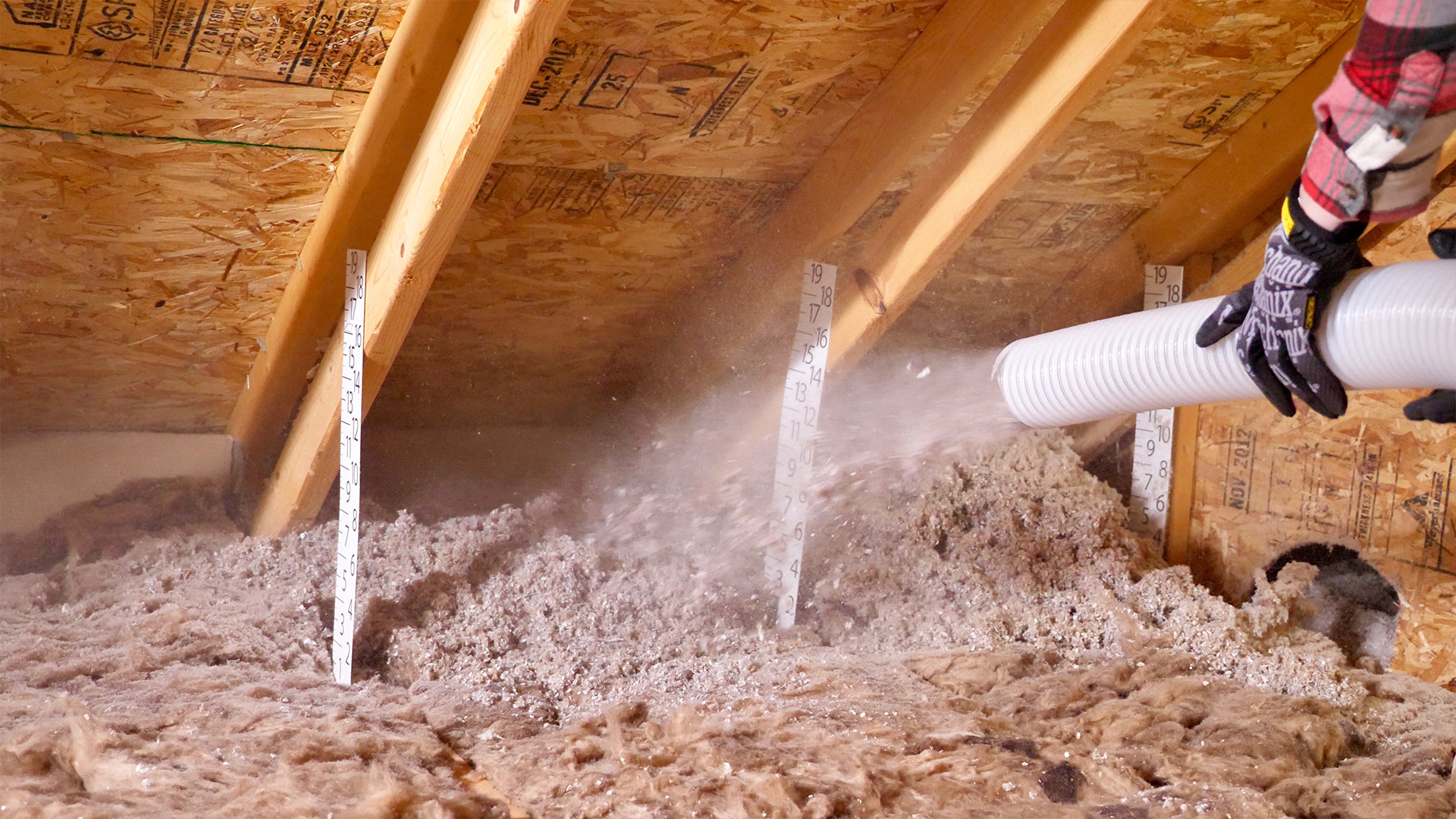
A frequent concern is that loose material will pack down and lose its effectiveness within a few years. While all materials experience minor settling due to gravity, professional installers account for this by using specific density targets to ensure the R-value remains consistent for decades.
Modern cellulose and fiberglass products are designed to maintain their loft. If you see significant sagging, it usually points to poor installation rather than a flaw in the material itself. Experts ensure long-term performance by adhering to the following standards:
- Technicians calculate the "settled thickness" before starting the job.
- Industry standards require a specific number of bags per square foot.
- Properly installed material maintains its thermal resistance for the life of the home.
Bonus Tip for Checking Density
Ask your technician for a density coverage chart to see exactly how many bags are required for your specific square footage. This ensures you are getting the full R-value you paid for.
Safety Standards for Fire Resistance and Thermal Protection
Many homeowners worry that paper-based cellulose is a fire risk because of its organic origin. In reality, cellulose is treated with borates, which are fire retardants that actually help slow the spread of flames in an emergency.
Fiberglass, another common choice for Blown-In Insulation Services, is naturally non-combustible because it consists of spun glass. Both materials meet strict safety standards and can even improve the fire rating of your ceiling assemblies when applied at the correct depth.
Comparing Professional Results and Homeowner Efforts
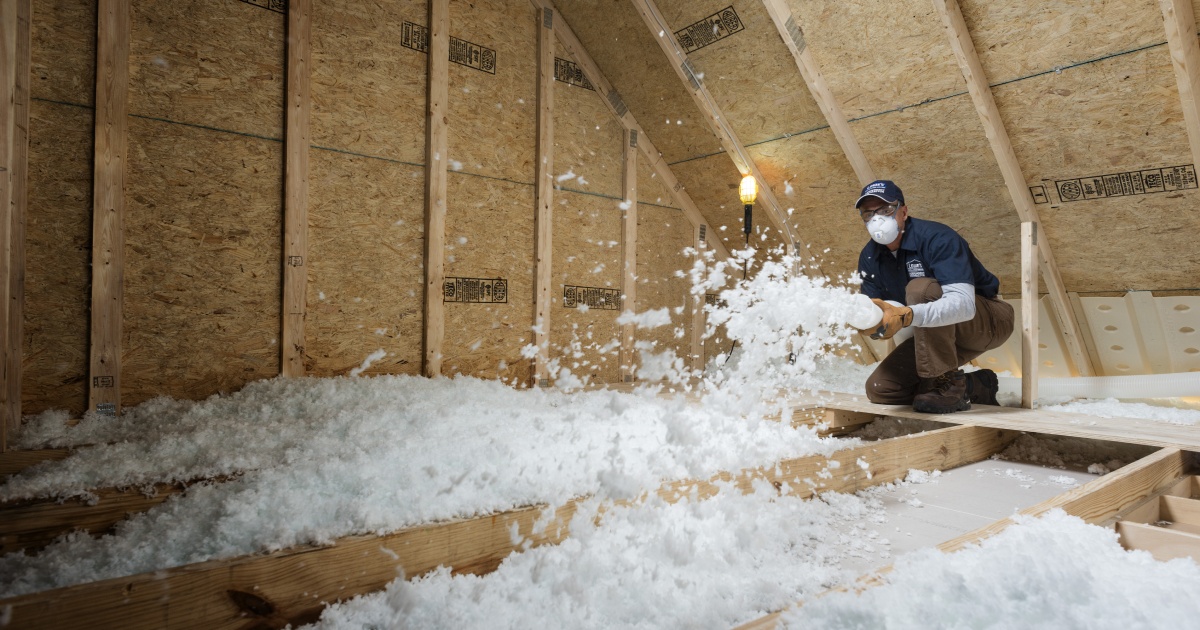
It is a mistake to think that renting a machine and doing it yourself yields the same results as hiring a Blown-In Insulation Contractor. Professionals use high-volume industrial equipment that ensures the material is properly fluffed and distributed throughout the space.
DIY machines often lack the power to break up clumps, leading to heavy spots and thin areas that create thermal bridges. Expert crews also know how to work around recessed lighting and ventilation baffles to prevent overheating or moisture buildup in the roof deck.
Material Specifications and Performance

Managing Moisture and Airflow Within the Attic Space
A common myth suggests that blown-in products trap moisture and lead to mold growth. While any material can mold if your roof leaks, blown-in options are designed to be breathable and allow for natural air movement.
The key is ensuring your attic has proper ventilation before the Blown-In Insulation Installation begins. Professionals install baffles at the eaves to keep air flowing from the soffits to the ridge vents, which prevents condensation from forming. In addition to protecting the structure, this dense barrier significantly improves the acoustic environment of the home.
- Ventilation baffles prevent material from clogging the airflow.
- Air sealing stops warm, moist air from the house from entering the attic.
- Breathable fibers allow any minor humidity to escape through the vents.
Acoustic Benefits of Modern Insulation Solutions
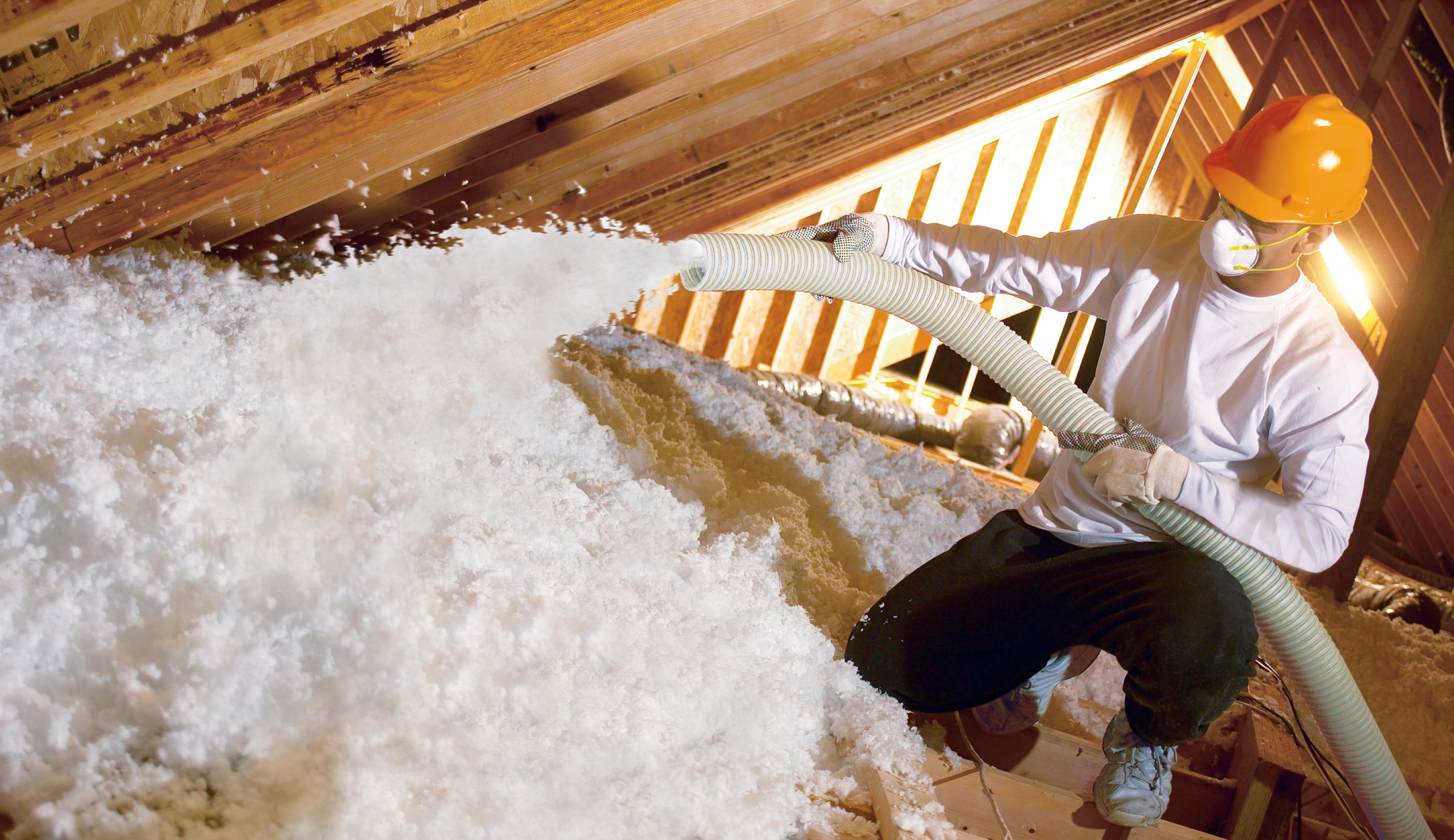
Some homeowners believe that only expensive spray foam can block sound. However, dense-packed cellulose is one of the best Blown-In Insulation Solutions for dampening noise between floors or from outside traffic and neighbors.
The irregular shapes of the fibers break up sound waves effectively. If you live near a busy street or have a noisy HVAC system, increasing the density of your wall or floor insulation can create a much quieter indoor environment for your family.
Evaluating Structural Weight and Ceiling Integrity
You might hear that adding too much insulation will cause your ceiling to sag or collapse. Most standard 1/2-inch drywall ceilings can easily support the weight of R-60 insulation, which is roughly 15 to 20 inches deep.
Cellulose is heavier than fiberglass, but even then, the load is spread across the entire surface area of the joists. A qualified team will inspect your ceiling joists and drywall condition before starting the work to ensure the structure is sound enough for the added weight.
Bonus Tip for Older Homes
If your home has lath and plaster ceilings, consult with an expert first. These older materials can be more brittle than modern drywall and may require a lighter fiberglass application.
Factors to Review Before Starting Your Project
Before the crew arrives, handle a few basic tasks to ensure the process goes smoothly. While the technicians do the heavy lifting, your preparation helps them reach every corner of the space and ensures a faster cleanup.
- Clear a path to the attic access point for the large hoses.
- Remove any stored items, boxes, or seasonal decorations from the attic floor.
- Check for signs of active roof leaks or water damage on the underside of the roof.
- Ensure pets and children are in a safe area away from the noisy equipment.
Maximizing Your Return on Energy Efficiency Investments
People often wait until the middle of a blizzard or a heatwave to think about their attic. However, the best time to schedule Blown-In Insulation Services is during the mild spring or fall months when temperatures are more manageable.
During these times, attic temperatures are safer for installers, allowing them to take more time to ensure precision. Furthermore, having the work done before extreme weather hits ensures you start saving on utility bills the moment the outdoor temperature changes.
Summary of Best Practices for Long-Term Comfort
Understanding the reality behind insulation myths allows you to invest your money where it counts. Blown-in options provide a seamless thermal blanket that standard batts simply cannot match because they fill every tiny crevice. By addressing settling, fire safety, and moisture correctly, you ensure your home stays protected for the long haul. Always evaluate your specific attic ventilation and current R-values before starting. Taking a proactive approach to your home's envelope is the most effective way to guarantee year-round comfort and lower operational costs.
Consult With All Foam and Insulation LLC for a Professional Quote
Improving your home's thermal performance does not have to be a guessing game. If you are tired of high energy bills or drafty rooms, contacting a specialist is the best way to get accurate answers for your specific property. You can reach out to All Foam & Insulation, LLC to discuss your needs and schedule a professional assessment. Their team provides clear guidance on the best materials for your attic or walls and offers a free quote. To get started, call them at (541) 826-9600 or send an email to [email protected] for more information. You can also find their location on the map at https://maps.app.goo.gl/zLL2ZAvJe7UBEnFG7 to see how they serve your local area.
Answers to Common Questions About Attic Upgrades
How long does the installation process typically take?
Most residential attic projects are completed in four to six hours. This includes the time needed to set up the hoses, blow in the material, and perform a final cleanup of the workspace.
Can you blow new insulation over existing old batts?
Yes, as long as the old insulation is dry and free of mold or pests. Adding loose fill over old fiberglass batts is a common way to fill the gaps that batts often leave behind.
Does blown-in insulation attract rodents or insects?
Modern cellulose is treated with borates, which act as a natural pest deterrent. Fiberglass is not a food source for insects or rodents, though any material can be used for nesting if pests already have access.
Will the dust from the installation enter my living space?
Professional crews use high-quality seals at the attic hatch and industrial vacuum systems to minimize dust. While a tiny amount of settling dust is possible, the vast majority stays contained within the attic.
How soon will I notice a change in my utility bills?
Most homeowners see a difference in their heating or cooling costs within the first full billing cycle. Because the material works immediately to stop heat transfer, the comfort level in the home changes the same day.